


 Explosion-proof distribution box,
 Corrosion-Resistant Stainless Ste
 Ming Hang Explosion-Proof Instrum
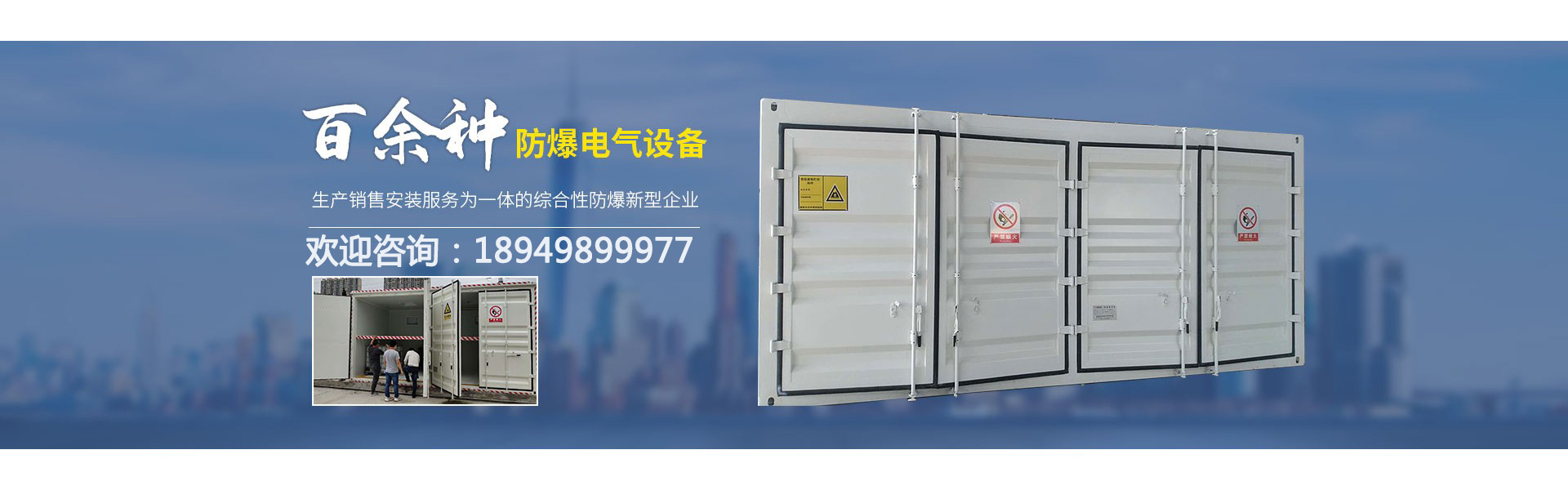
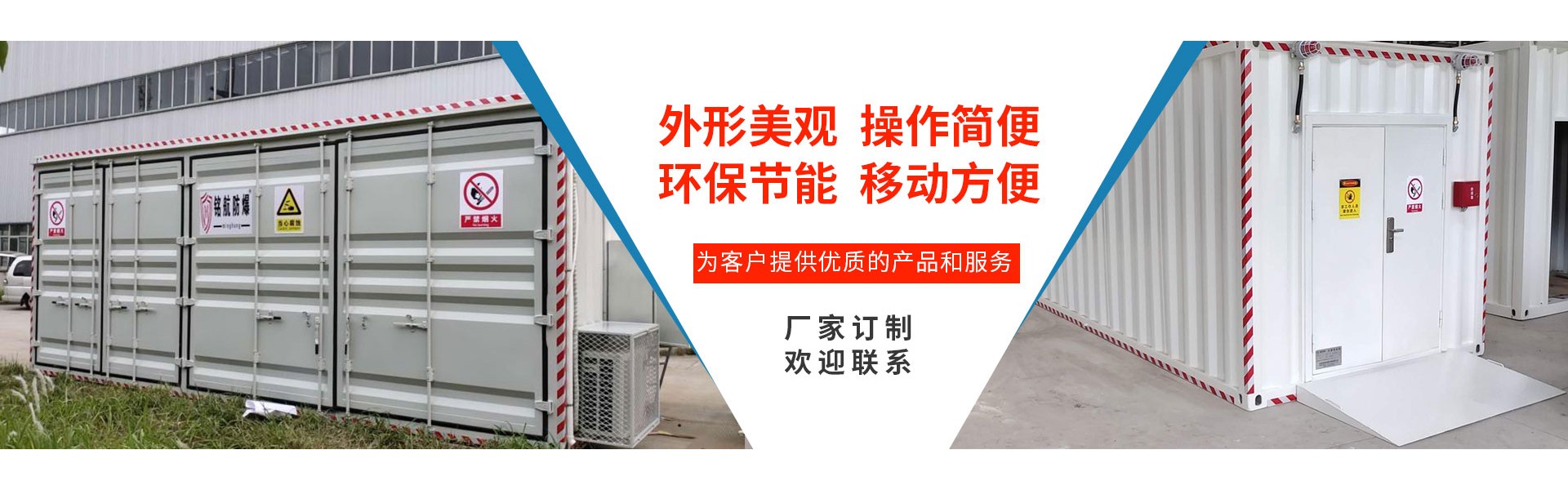
 Custom explosion-proof containers
 BXK Series Explosion-Proof Contro
 Custom Explosion-Proof Lighting D
 PXK Explosion-proof Positive Pres
 Battery Waste Storage Container,
Custom lighting power control boxes typically require the following steps:
1. **Design the Case Structure Based on Actual Requirements**: Tailor the case dimensions and structure to the specific application and needs, taking into account factors such as the installation location, size, and quantity of the equipment.
2. **Select Appropriate Materials**: The box is typically made of steel plate or plastic, etc., choose the appropriate material based on requirements and budget.
3. **Determine the Configuration of Electrical Components**: Based on actual requirements, decide on the types and quantities of electrical components to be installed in the control box, such as circuit breakers, outlets, lamp sockets, etc.
4. **Circuit Design and Safety Assessment**: Perform circuit design based on the configuration of electrical components, ensuring the circuit is safe and reliable, and conduct a safety assessment.
5. **Manufacturing, Testing, and Acceptance**: Based on design and safety assessment results, manufacture and test the control box to ensure it meets quality and performance requirements, and proceed with acceptance.
6. **Packaging & Shipment**: Upon completion of the inspection, proceed with packaging and shipment.
When selecting a manufacturer for lighting power control cabinets, pay attention to the manufacturer's qualifications, reputation, and product quality, while also not overlooking the importance of after-sales service.
Please note that the above is just some basic steps, and the specific process may vary depending on the actual circumstances.

