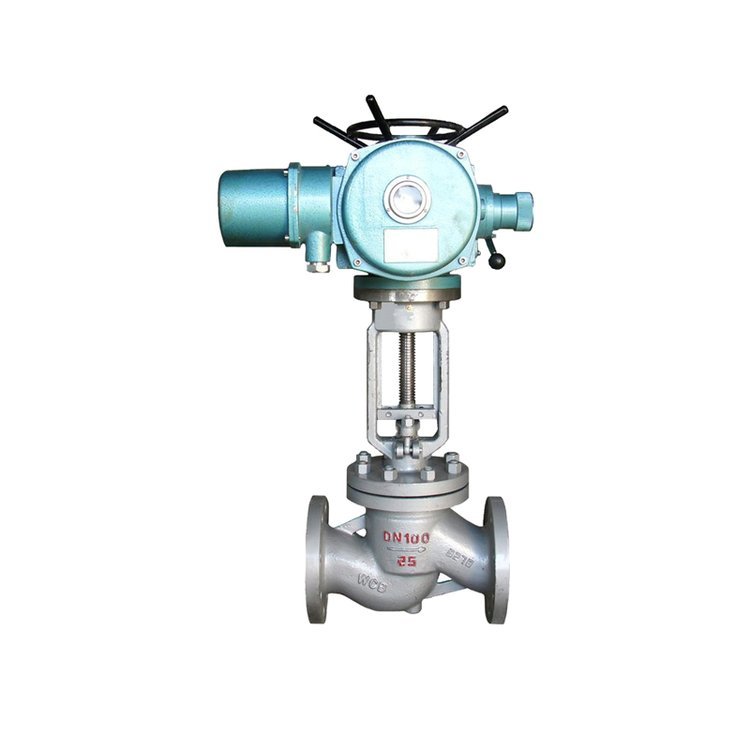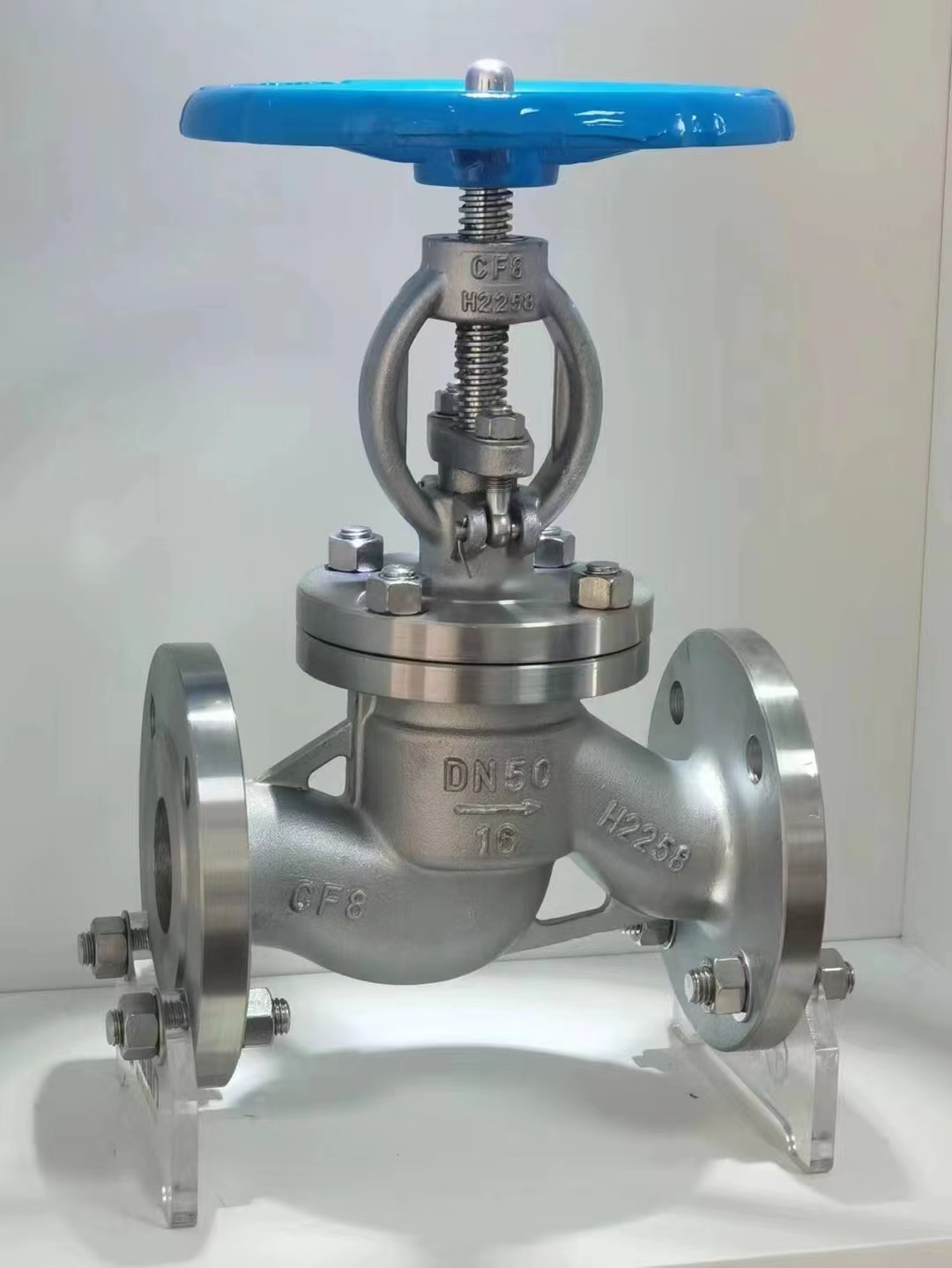


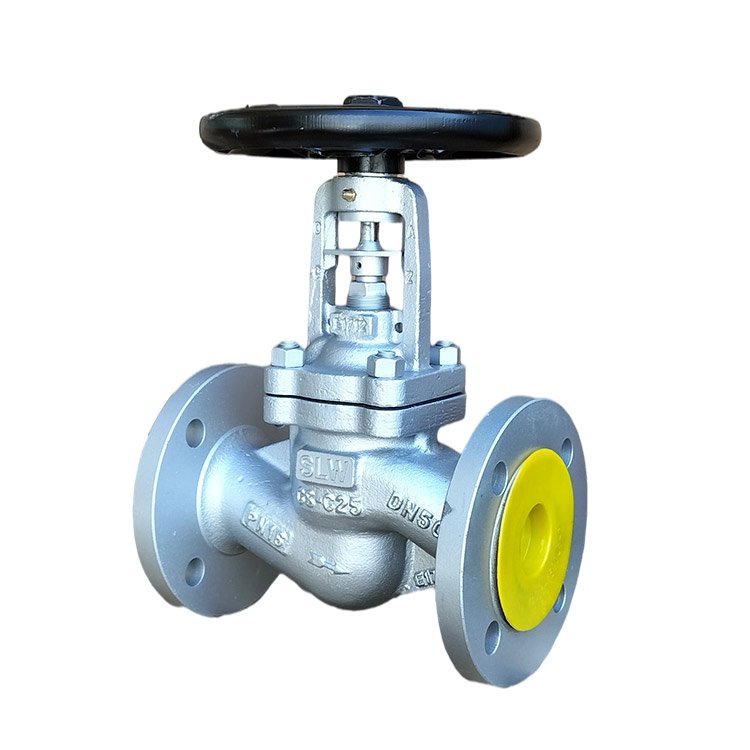

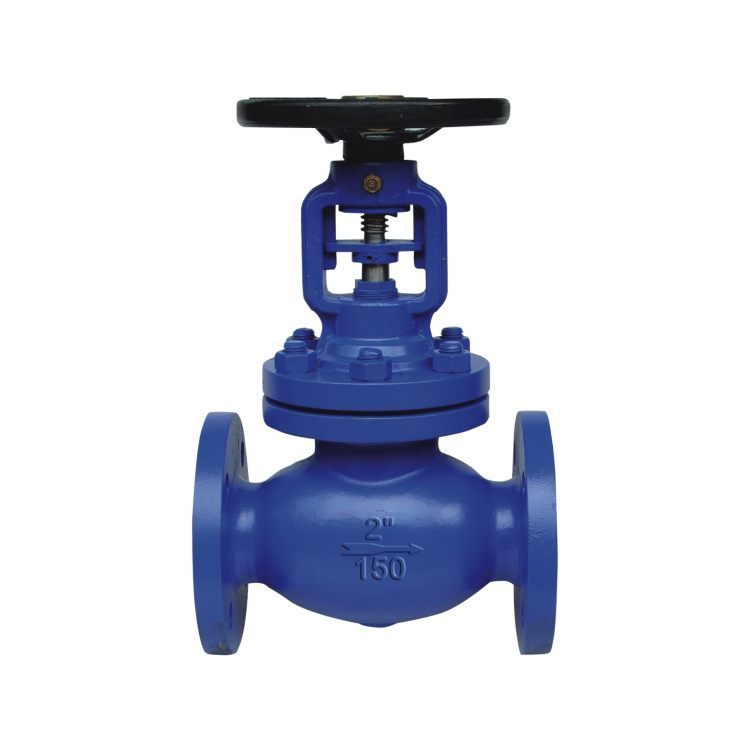
A check valve, also known as a cut-off valve, is a forced-seal type valve. Therefore, when the valve is closed, pressure must be applied to the valve disc to ensure a tight seal without leakage. As the medium enters the valve from below the valve disc, the force required to overcome resistance includes the friction between the valve stem and the packing material, as well as the thrust generated by the pressure of the medium. The force to close the valve is greater than the force to open it, so the diameter of the valve stem must be larger to prevent bending. They are categorized into three types based on the connection method: flange connection, threaded connection, and welding connection. Since the advent of self-sealing valves, the flow direction of check valves has changed to entering the valve cavity from above the valve disc. At this point, under the pressure of the medium, the force to close the valve is reduced, while the force to open it is increased, allowing the diameter of the valve stem to be reduced accordingly. Additionally, under the influence of the medium, this type of valve is also more airtight. China's "Three Standardization of Valves" once stipulated that the flow direction of check valves should always be from top to bottom. When the check valve is fully open, the height of the valve disc opening is between 25% to 30% of the nominal diameter, indicating a high flow rate and that the valve is fully open. Therefore, the fully open position of the check valve should be determined by the travel of the valve disc.