

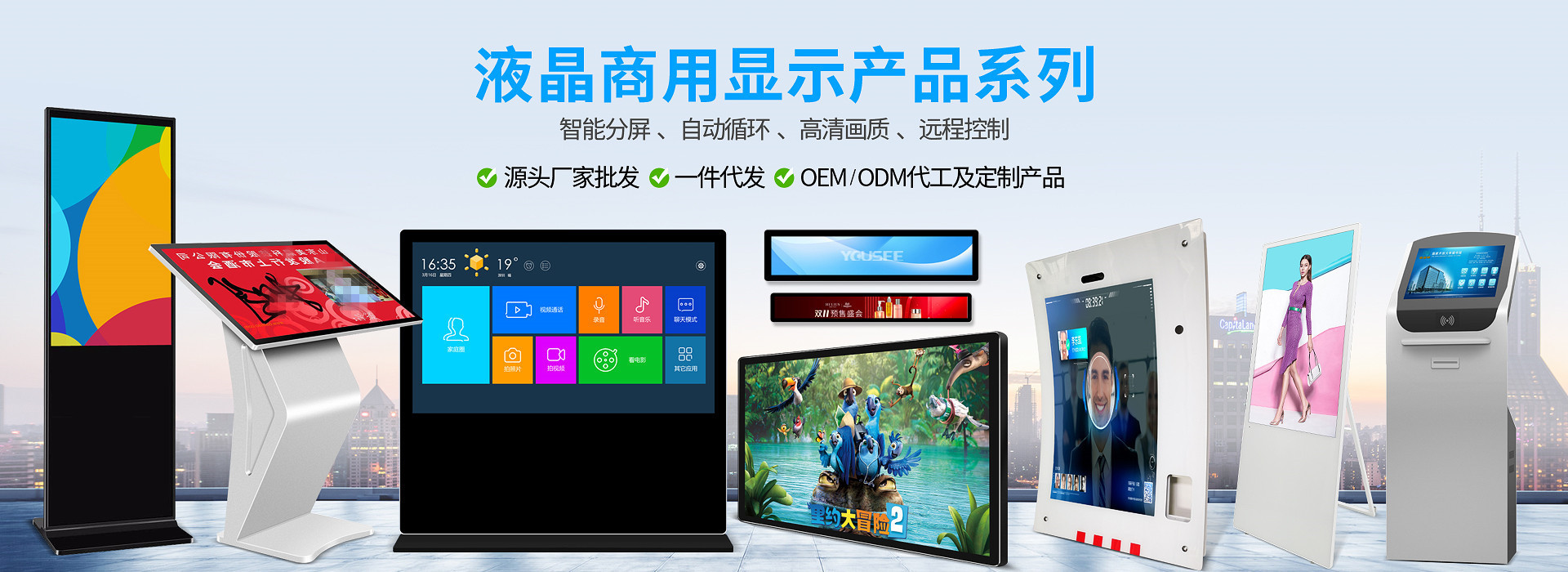
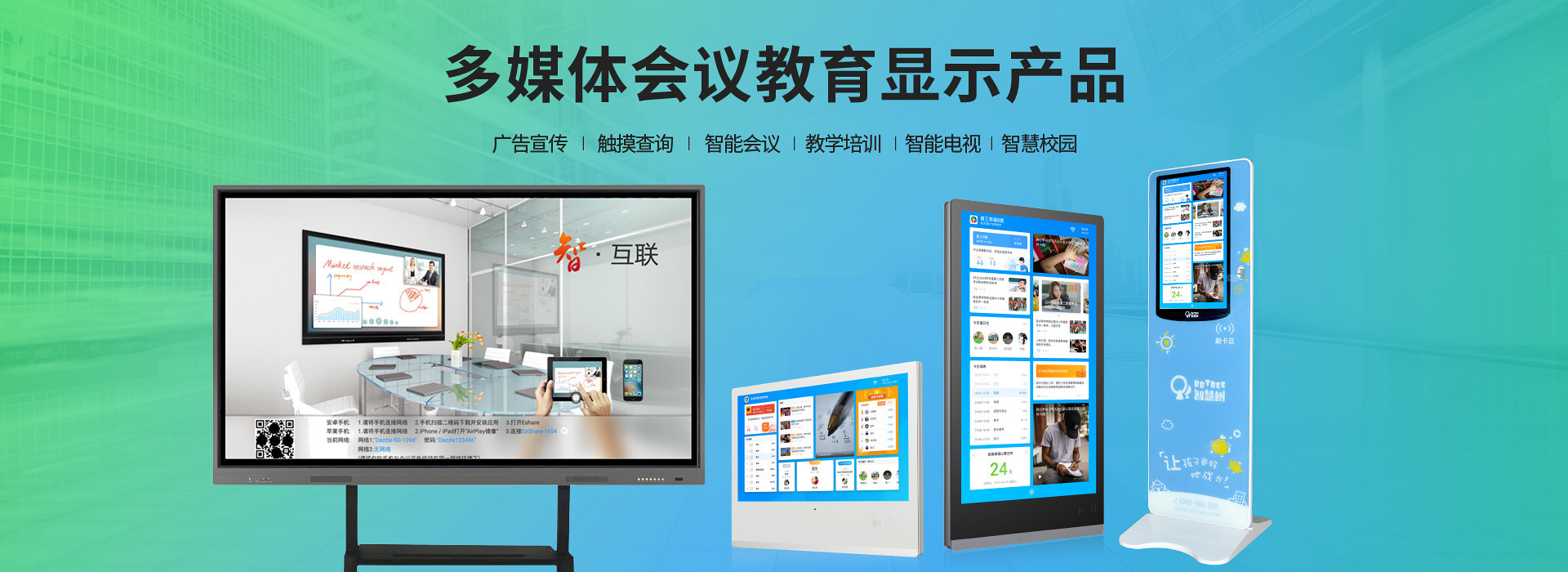


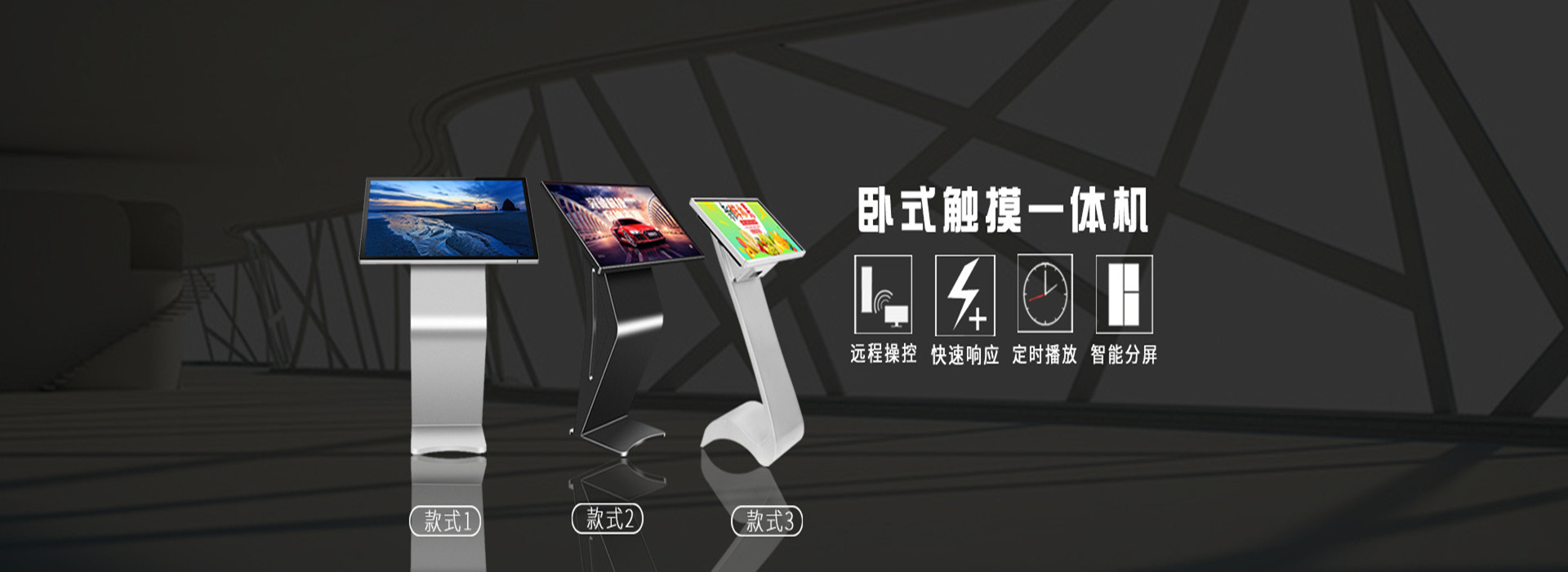

In the consulting business for digital signage, we frequently encounter two common questions from clients: What is a standalone digital signage player, and what about the network version? Without a thorough understanding of the operation and features of digital signage, these terms can indeed be quite confusing. Below, Beijing Duiying Technology will introduce the two types of digital signage players in detail.
The so-called networked advertising machines transmit ad tasks via the internet. We edit and upload the ads on our own computers, then send the edited task packages to displays across various locations through the system's backend. This method of internet transmission is referred to as the "network version," and machines equipped with this functionality are called networked advertising machines.
The Network Edition Digital Advertising Machine is a more convenient-to-manage advertising device, offering enhanced controllability and flexibility compared to the standalone version! Key features include: remote control and easy management. The Network Edition LCD Advertising Machine primarily publishes advertising and management tasks via the network, allowing for real-time task updates from anywhere; and boasts a richer layout. The layout pages of the Network Edition can be customized and uploaded, offering a more personalized touch. Additionally, it features real-time time and weather information.
Digital signage kiosks can be further categorized into Local Area Network (LAN) digital signage and Wide Area Network (WAN) digital signage kiosks.
Local area network (LAN) version digital signage players can only display ads within a restricted network range due to their limited connectivity. Such LAN digital signage players are more suitable for fixed locations like enterprises and schools, where they are needed to send internal messages and advertisements. Of course, the price of LAN digital signage players is generally cheaper than that of wide area network (WAN) versions, as they are designed for local networks.
The Wide Area Network version of the digital signage is incredibly powerful. It only requires information or advertisements to be posted on a single digital sign, and all other networked digital signs can view the content. This signage is highly user-friendly, as management and control can be done on a terminal digital sign, with its sub-signs automatically falling under its control, saving on manpower, materials, and finances. It also aligns well with the development of our modern society.
The standalone advertisement machine refers to a method of manually copying ad content to various display terminal devices. This method is simple and easy to operate, as all you need to do is edit the required advertisement on your computer and then copy it to the display terminal for playback. However, this approach can be relatively time-consuming and labor-intensive. The layout of standalone versions can also be divided by region, but the design tends to be rather monotonous.
