

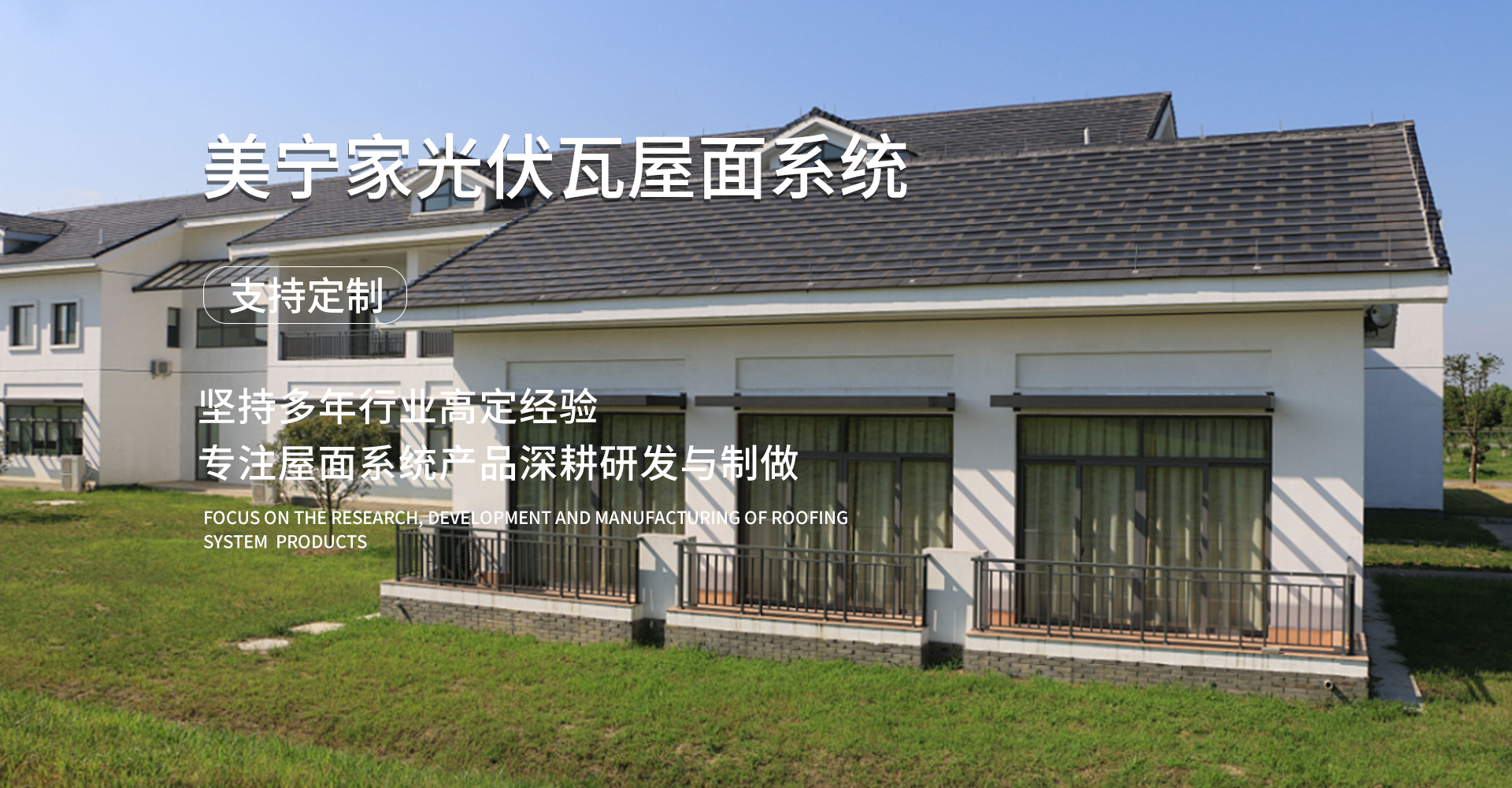
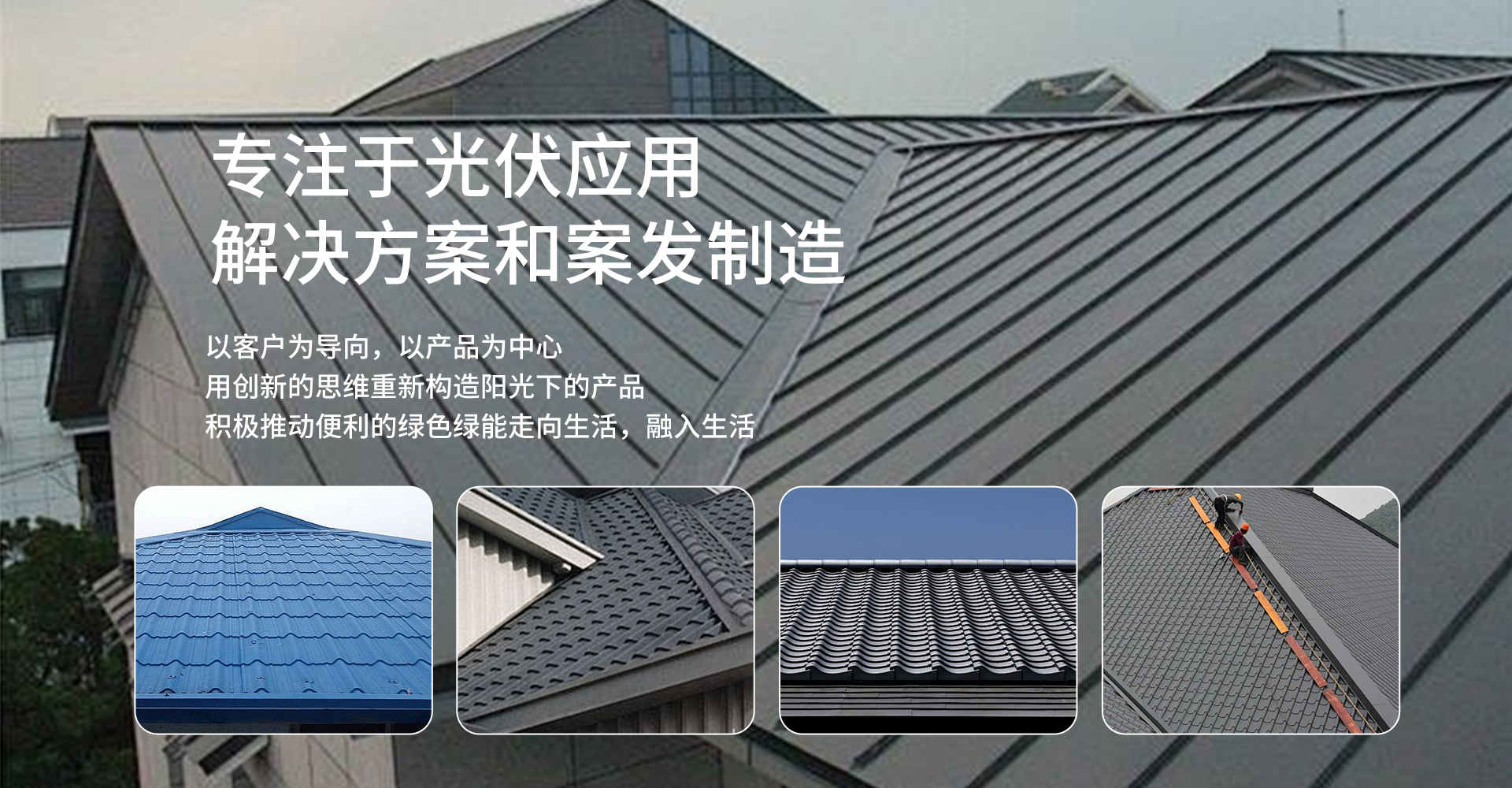
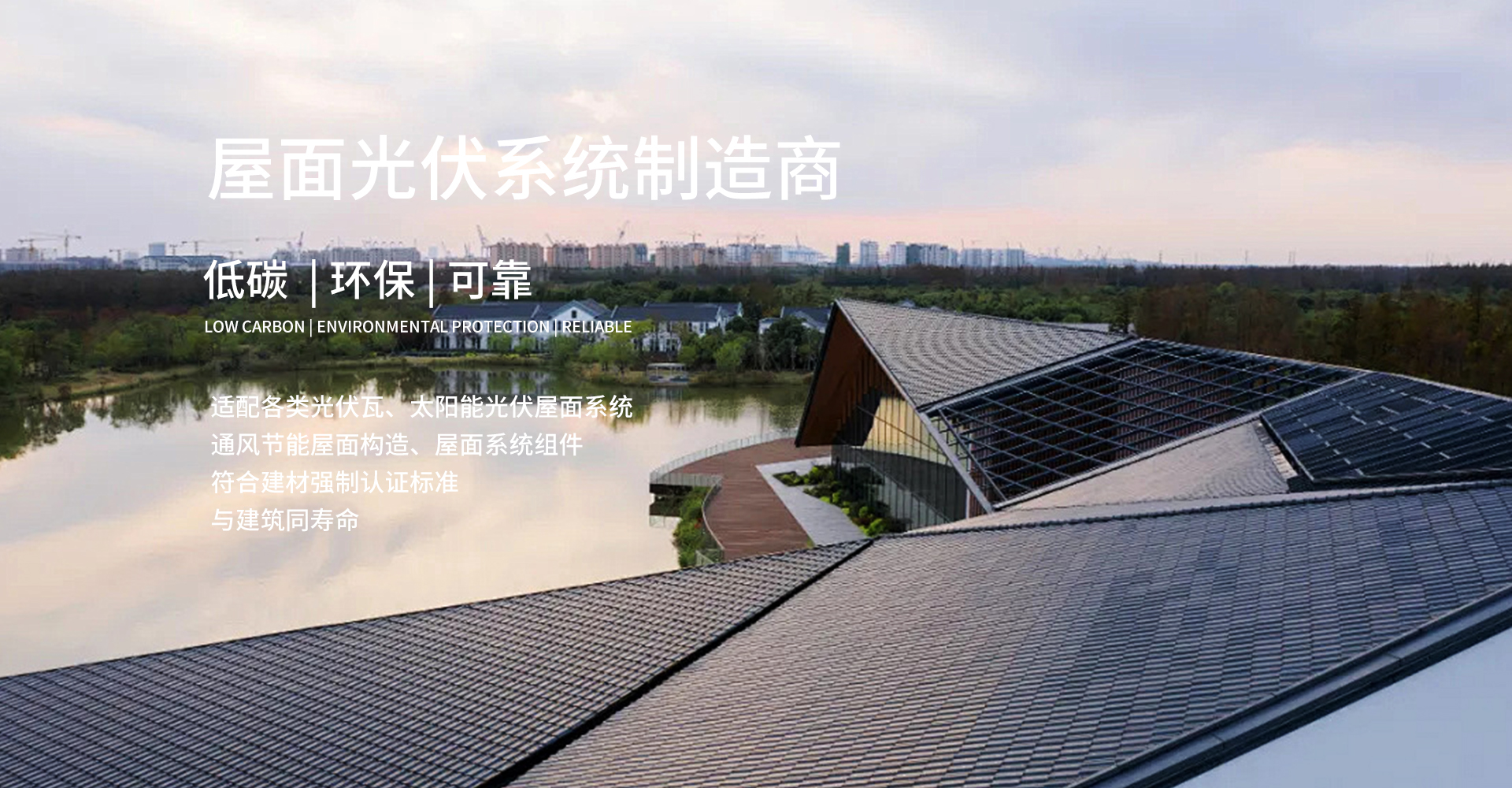
The working principle of solar tile primarily relies on two technologies: photothermal conversion and photovoltaic power generation.
Here is a detailed explanation of the working principles of these two systems:
One, photothermal conversion principle
Absorptive Coating: The surface of our solar tiles is coated with a special absorptive layer that efficiently absorbs heat from sunlight. Conductive Layer: When sunlight hits the tiles, the coating rapidly transfers the heat to the internal conductive layer. The conductive layer distributes the heat evenly across the tile's surface through its thermal conduction properties. Heat Utilization: As a result, our solar tiles convert sunlight into heat energy, which can then be transferred and utilized within the building structure, such as for heating or hot water systems.
Section II: Photovoltaic Power Generation PrincipleSolar Film Technology: Some solar panels utilize flexible thin-film solar technology, allowing them to directly convert sunlight into electricity. The solar film is encapsulated within high-strength glass, ensuring the panels' longevity while enhancing energy conversion efficiency. Photovoltaic Effect: Photovoltaic power generation harnesses the photovoltaic effect of solar cells—a semiconductor device akin to a transistor—to directly convert solar radiation into electricity. When sunlight hits the solar cells, some of the light is absorbed, exciting electrons in a bound, high-energy state, creating electron-hole pairs. Under the internal electric field of the PN junction, electrons and holes move, generating voltage and current at the ends of the battery. Electricity Output: By connecting multiple solar cells to form a battery module, or using more modules to create a photovoltaic array, higher output voltages and larger power capacities can be achieved, suitable for residential or industrial electricity use.
Section 3: Advantages of Solar Roof TilesHigh solar light absorption: Due to its unique design, the tiles can absorb sunlight throughout the day. Eco-friendly and energy-saving: After converting sunlight into electricity daily, the tiles can be used for household power, saving electricity and being environmentally friendly. Long lifespan: Compared to regular tiles and solar panels, solar tiles have a lifespan of up to 50 years.
Limitations of Solar Roof TilesCost-Effective: The high cost is due to the use of high-strength tempered glass, advanced color transmission film, and the special shape modification of the solar panels. Installation Complexity: Compared to standard tiles, the installation process for solar tiles is more intricate.
In summary, solar tiles convert sunlight into heat or electricity through the principles of photothermal conversion or photovoltaic power generation, providing energy for buildings. Despite their higher cost and complex installation, their environmental friendliness, energy-saving properties, and long lifespan make them a significant direction for future development in the construction industry.
