

The working principle of photovoltaic tiles is primarily based on photovoltaic power generation technology, with the core being the photovoltaic effect.
The following is a detailed explanation of the working principle of photovoltaic tiles.
Photovoltaic Effect: The photovoltaic effect, also known as the photoelectric effect, refers to the phenomenon where light causes an uneven semiconductor or solid to generate an electromotive force. When light shines on a solar cell, photons are absorbed at the semiconductor interface layer. Photons with sufficient energy can excite electrons from covalent bonds in P-type and N-type silicon, creating electron-hole pairs. Before these pairs recombine, they are separated by the electric field of the space charge: electrons move towards the positively charged N region, while holes move towards the negatively charged P region, thereby generating an outwardly measurable voltage between the P and N regions, known as the photovoltaic voltage.
Section II: The Structure and Power Generation Process of Photovoltaic Tiles Photovoltaic tiles are typically composed of photovoltaic cells and supporting structures, with the photovoltaic cells being the core component for power generation. When sunlight hits the photovoltaic tiles, the photovoltaic cells absorb the light energy and generate a photovoltaic voltage. This voltage, connected through a circuit, drives the flow of electricity, converting light energy into electrical energy. Specifically, the power generation process of photovoltaic tiles is as follows: Sunlight Exposure: Sunlight is directed onto the photovoltaic cells on the surface of the photovoltaic tiles. Light Energy Absorption: The photovoltaic cells absorb the light energy from the sunlight. Photovoltaic Voltage: Under the photovoltaic effect, a photovoltaic voltage is generated within the photovoltaic cells. Electricity Flow: The photovoltaic voltage drives the flow of electricity through the circuit, converting light energy into electrical energy. Electricity Output: The generated electrical energy is output through wires, available for use or storage by households or businesses.
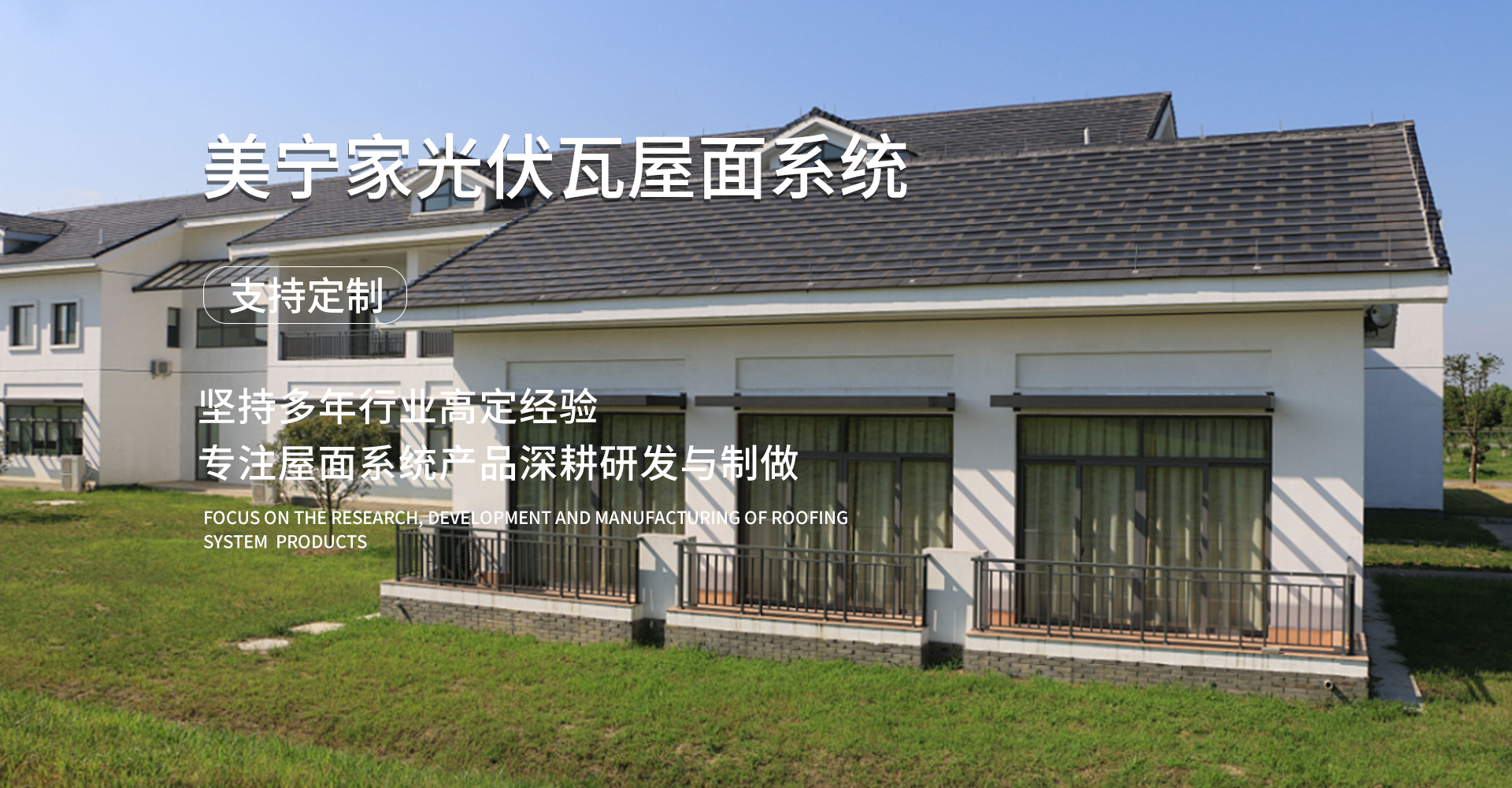
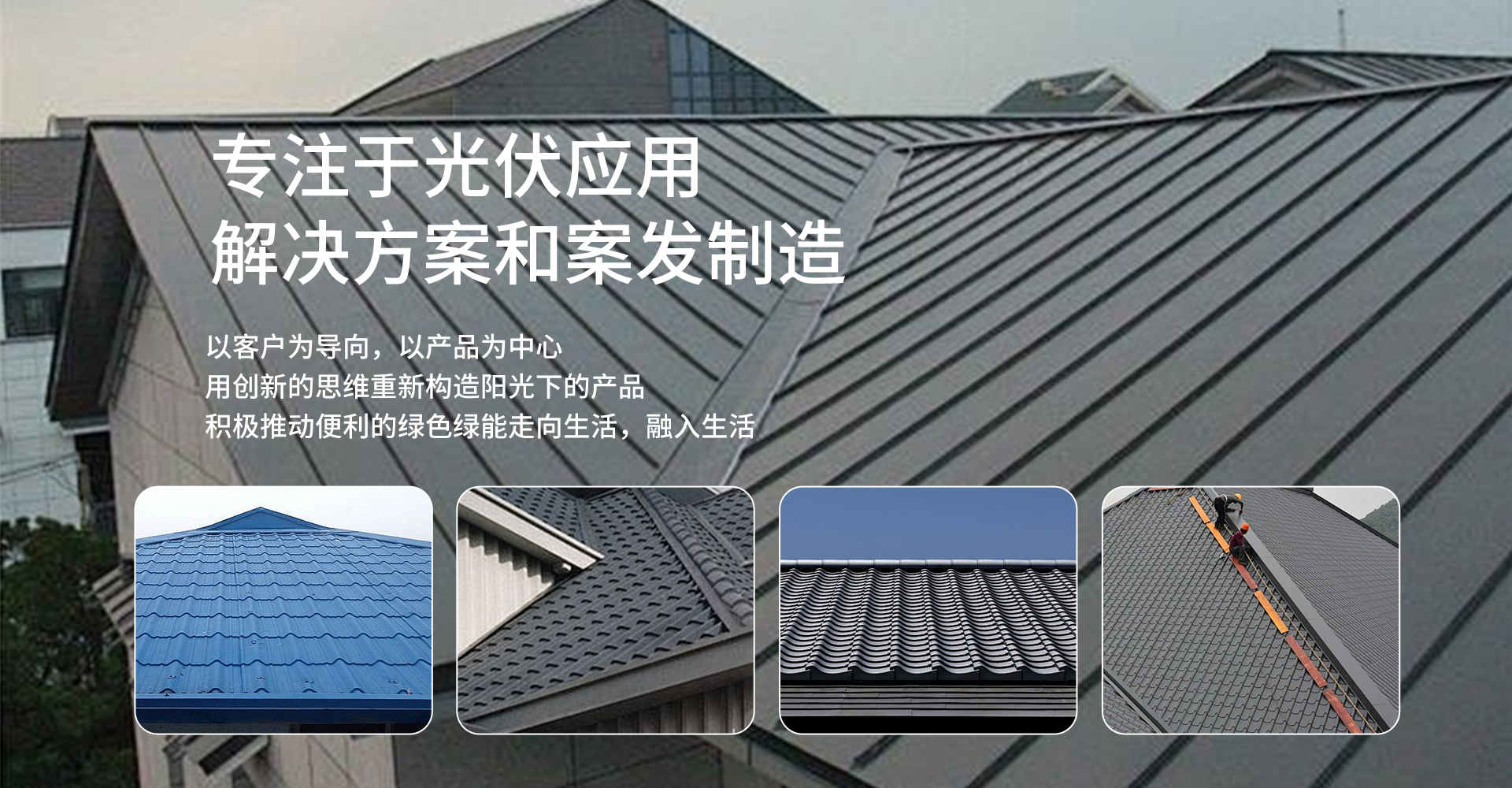
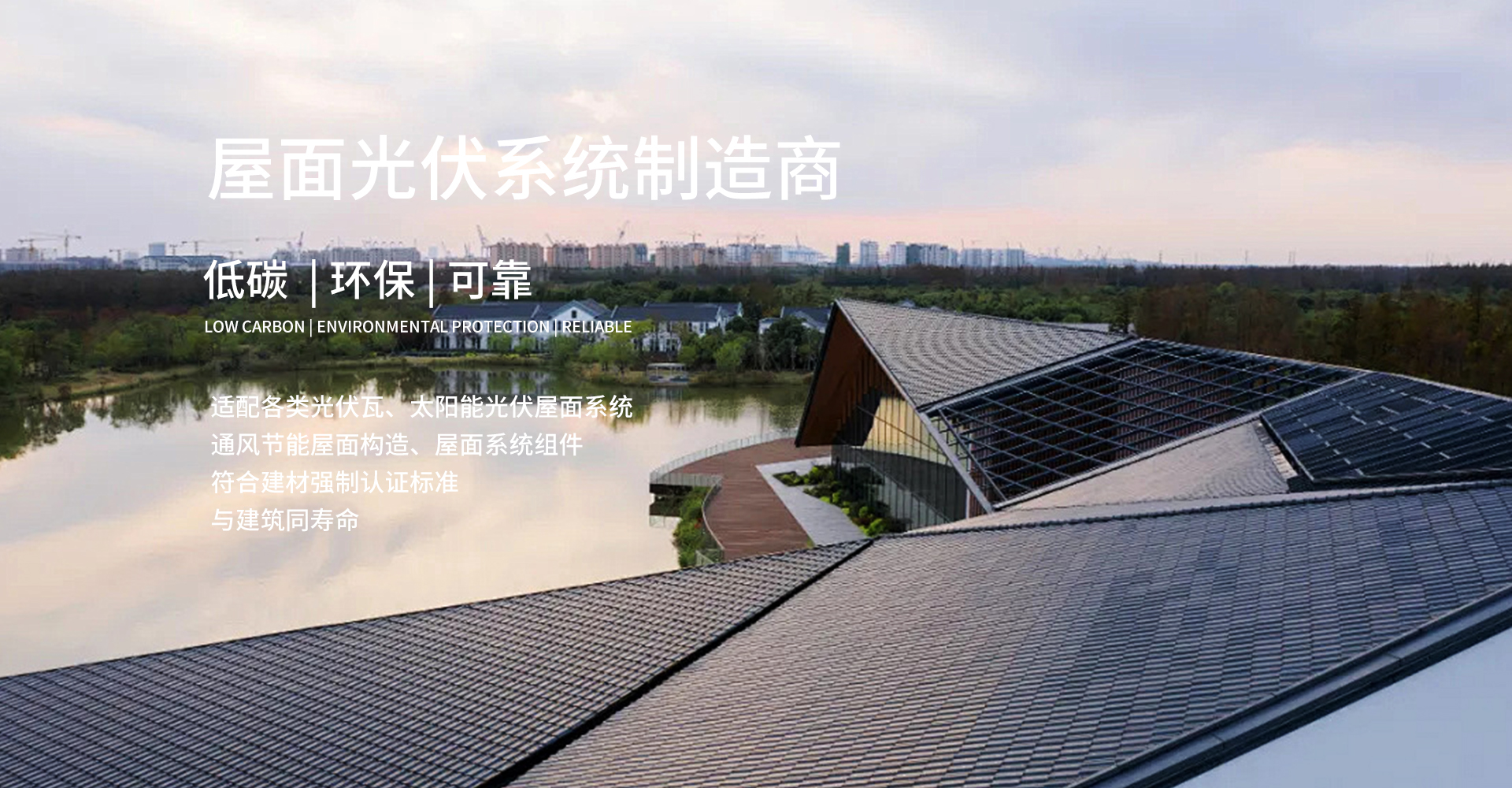
Section 3: Application and Advantages of Photovoltaic Roofing Tiles Photovoltaic roofing tiles have a wide range of applications, capable of replacing traditional roofing materials while providing renewable energy. Their advantages include: - Energy Conservation and Environmental Protection: Utilizing renewable energy sources reduces greenhouse gas emissions. - Economic Savings: In the long term, they can save on electricity costs and may be eligible for subsidies from relevant departments. - Aesthetics and Durability: Photovoltaic tiles can mimic the color and shape of traditional tiles, blending in visually, and offer good durability and waterproofing properties.
In summary, the working principle of photovoltaic tiles is based on the photovoltaic effect, which generates photovoltaic voltage and current through the illumination of sunlight on the photovoltaic cells, thereby converting light energy into electrical energy. Photovoltaic tiles offer advantages such as energy conservation, environmental protection, cost-effectiveness, and aesthetic durability, making them one of the significant directions for future development in the construction industry.
