

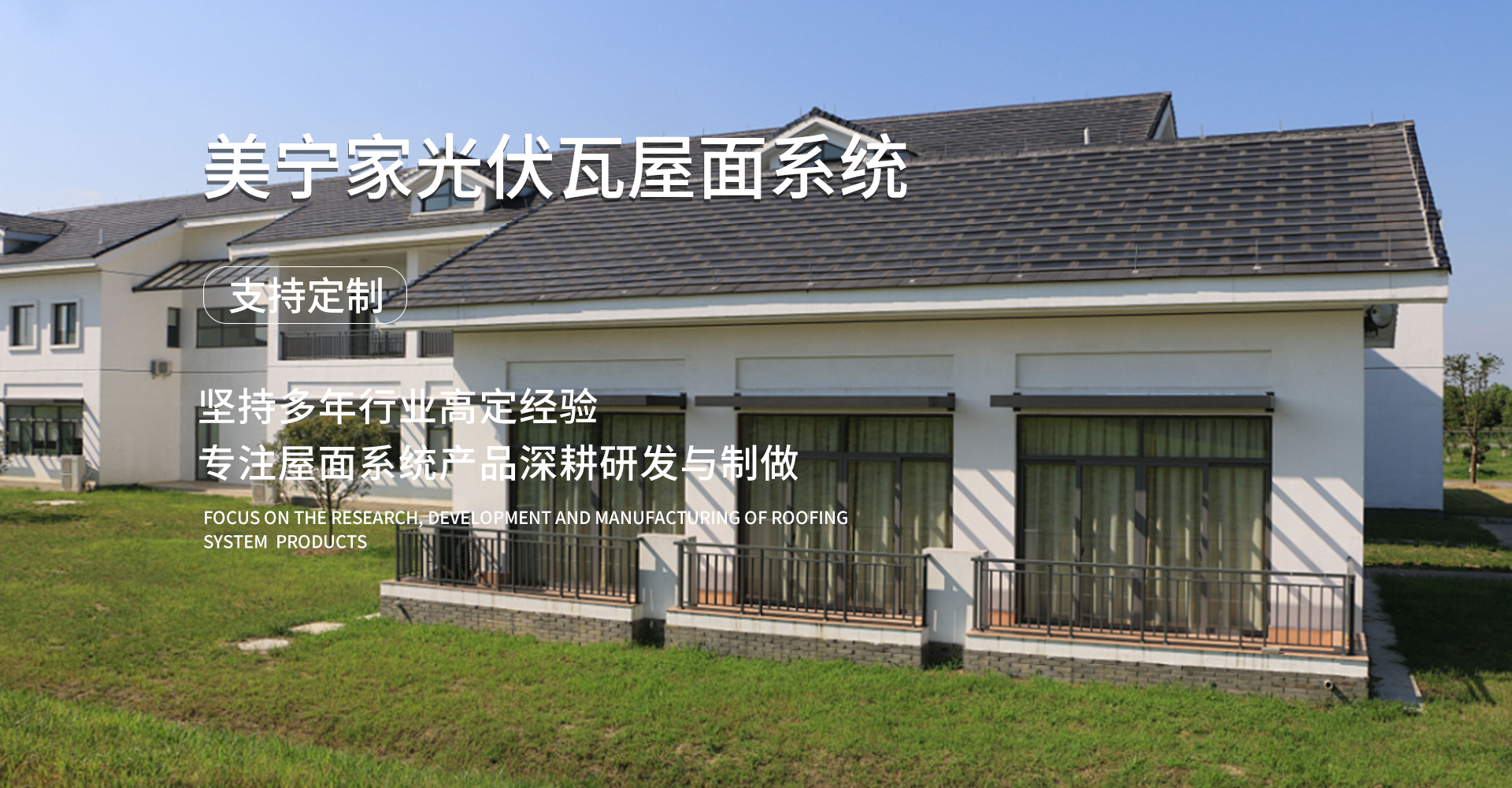
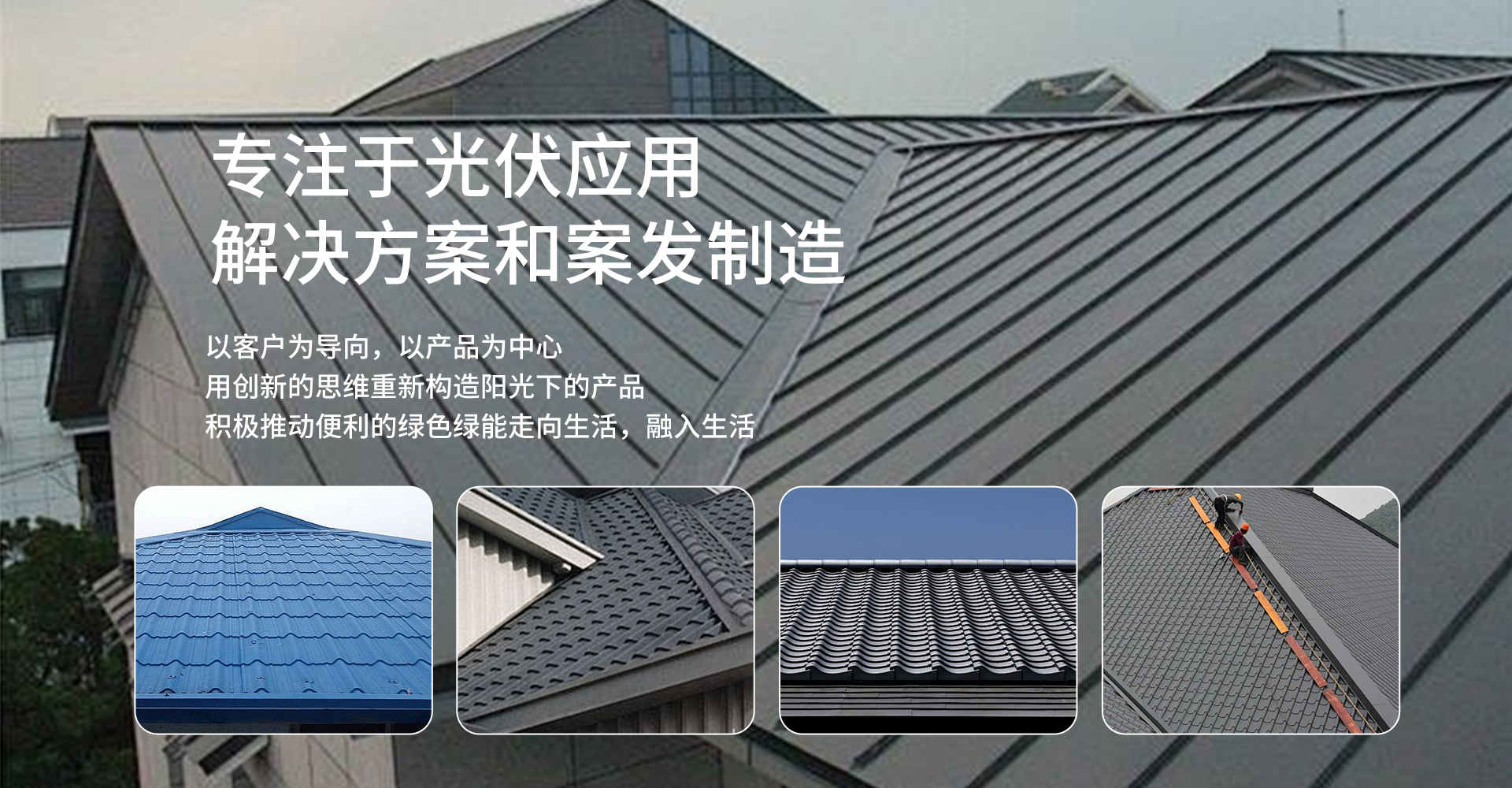
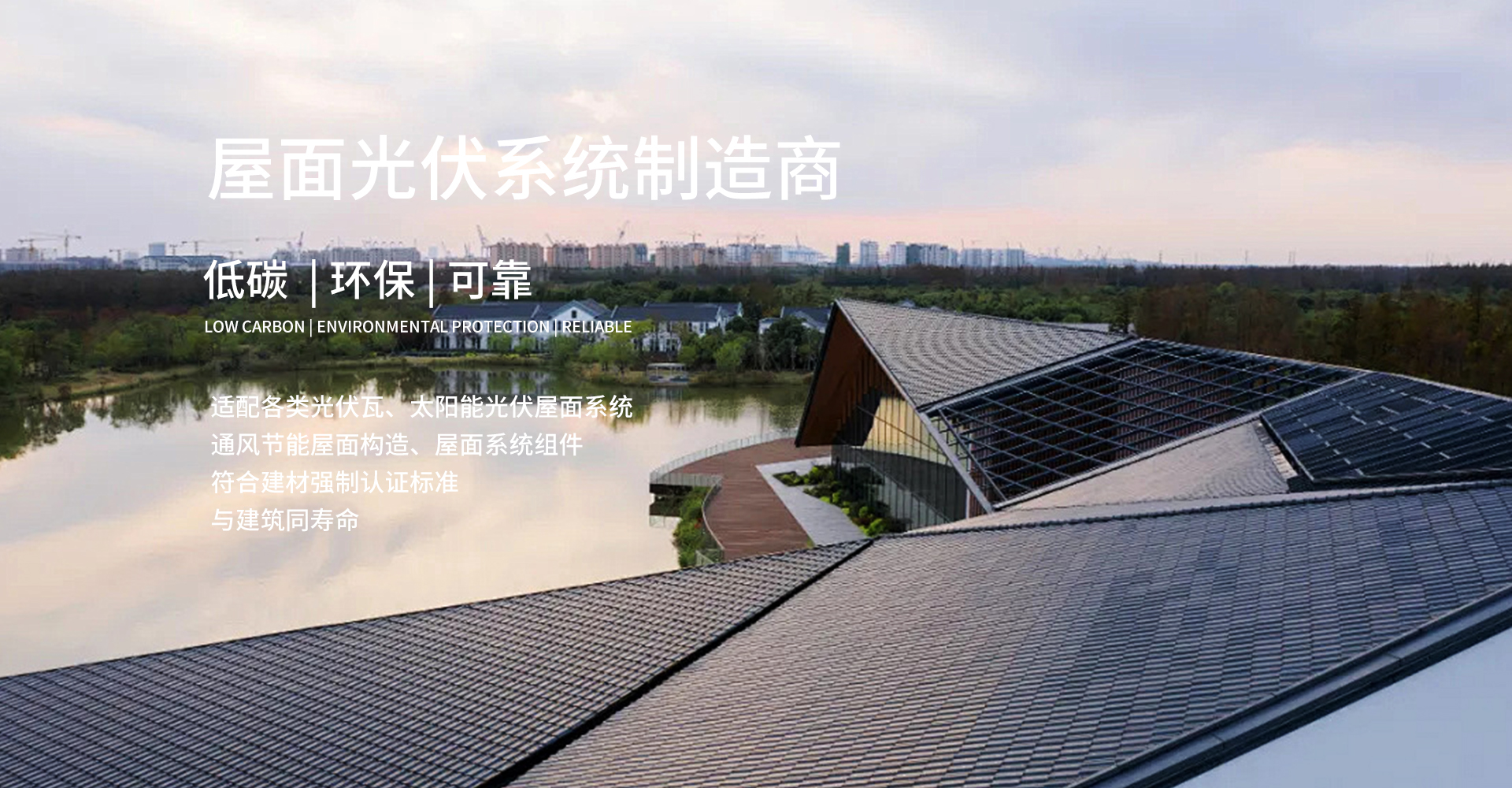
Photovoltaic tiles are a product that combines building materials with photovoltaic power generation capabilities. They merge the form and function of solar panels with tiles, serving as roofing material while harnessing sunlight to produce electricity.
Here is an in-depth introduction to photovoltaic tiles:
Material and Structure: Photovoltaic tiles are typically made of high-strength, weather-resistant composite materials, such as amorphous silicon or other high-strength, weather-resistant composites. These materials can withstand the physical pressure required by roofs while ensuring the stability and power generation efficiency of the photovoltaic components. Moreover, the structure of the photovoltaic tiles has been carefully designed to ensure their waterproofing and insulation properties.
II. Features and Benefits Power Generation: The core function of the photovoltaic tiles is to generate electricity, converting sunlight into power for residential or commercial use, providing renewable energy sources. Aesthetics: Photovoltaic tiles can mimic the color and shape of traditional tiles, making them nearly undetectable from the outside, thereby preserving the architectural aesthetics. Energy Efficiency and Environmental Protection: The use of photovoltaic tiles reduces dependence on conventional energy sources, lowers greenhouse gas emissions, and aligns with the trend of green and environmental-friendly development. Installation and Maintenance: The installation of photovoltaic tiles is relatively straightforward and typically comes with a long lifespan. However, professional installation and regular maintenance are required to ensure their power generation efficiency and safety.
The application scenarios of solar roof tiles are extensive, including villas, commercial and industrial buildings, characteristic towns, and ancient-style constructions. Due to their multiple advantages such as power generation, aesthetics, and durability, solar roof tiles have become the preferred material for an increasing number of construction projects.
Advantages: Dual Properties: Photovoltaic tiles have both the properties of building materials and the function of photovoltaic power generation. Energy-saving and Environmental Protection: Utilizing renewable energy helps reduce greenhouse gas emissions. Limitations: Higher Initial Cost: The initial installation cost of photovoltaic tiles is higher compared to traditional roofing materials. Technical Limitations: The conversion efficiency and durability of photovoltaic panels require continuous technological improvements.
In summary, photovoltaic tiles are a new type of building material with dual properties, combining the features of photovoltaic power generation and construction materials, offering a new option for the construction industry. However, factors such as initial cost and technical limitations must also be considered during application.
