

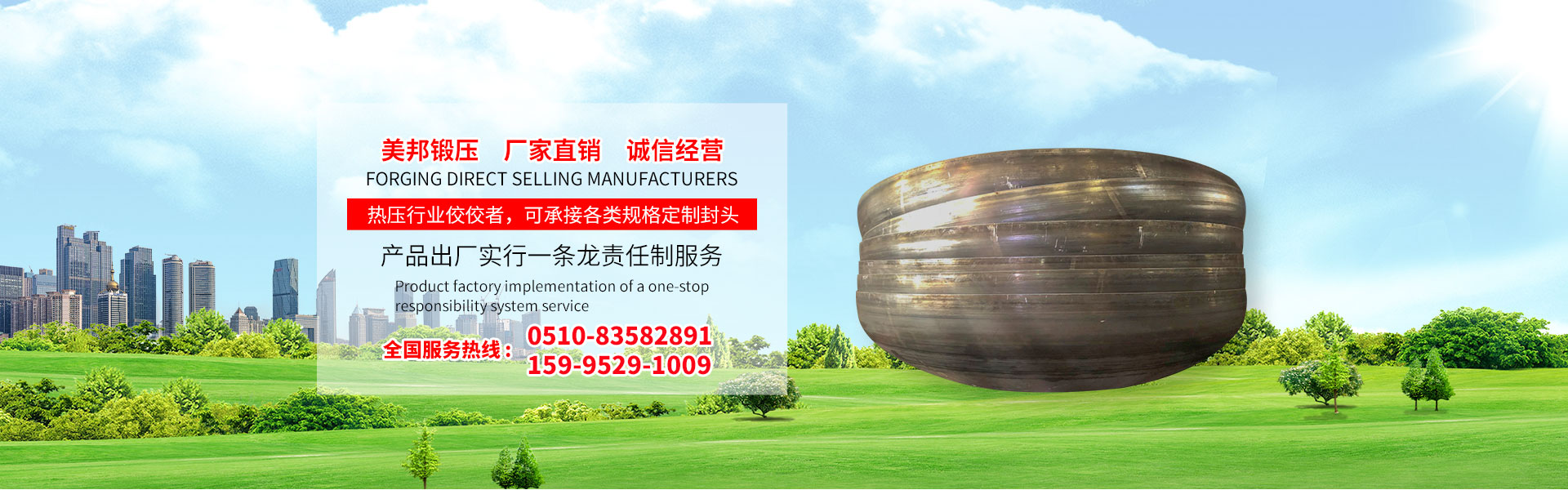




The magnitude of the tissue stress in stainless steel caps is related to factors such as the cooling rate in the martensite transformation zone, shape, and chemical composition of the material. The change in tissue stress of stainless steel caps results in tensile stress on the surface and compressive stress in the core, which is opposite to thermal stress. Practice has proven that during the heat treatment process of any workpiece, thermal stress and tissue stress will occur as long as there is phase transformation. The only difference is that thermal stress has already occurred before the transformation in the stainless steel caps, while tissue stress is produced during the transformation process. Throughout the cooling process, the combined effect of thermal stress and tissue stress results in the actual stress existing in the workpiece.
Stainless steel cap applications: Oil, electronics, heating, chemical industry, wastewater treatment, light industry, food, machinery, construction, nuclear power, aerospace, pressure vessels, military industry, and more.

