

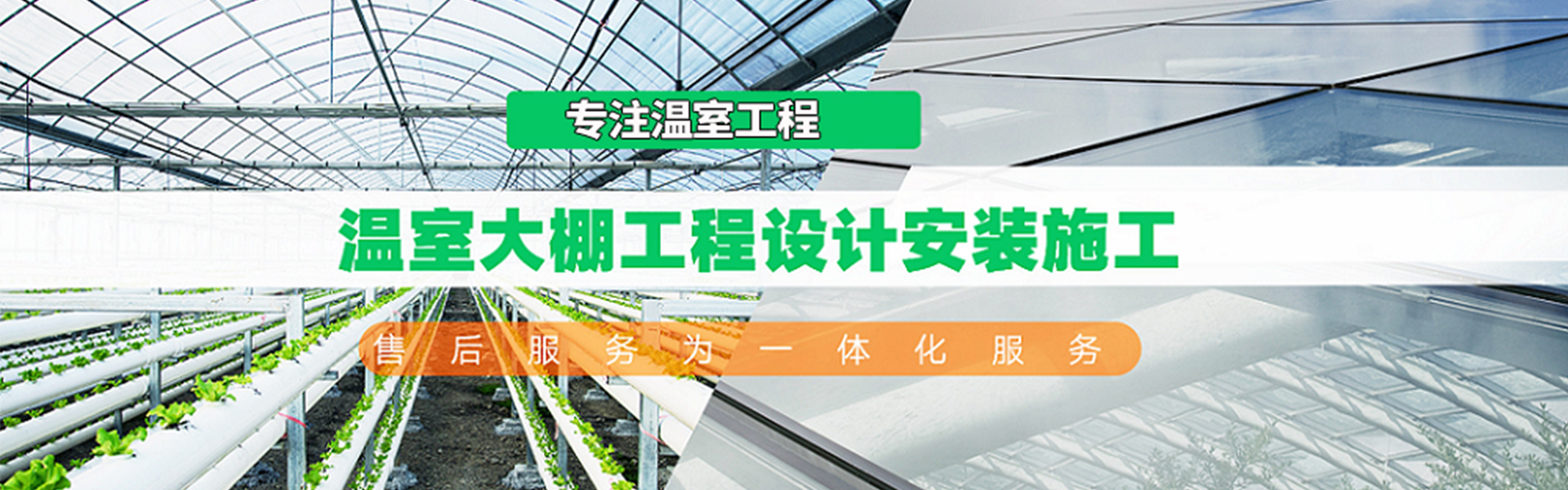
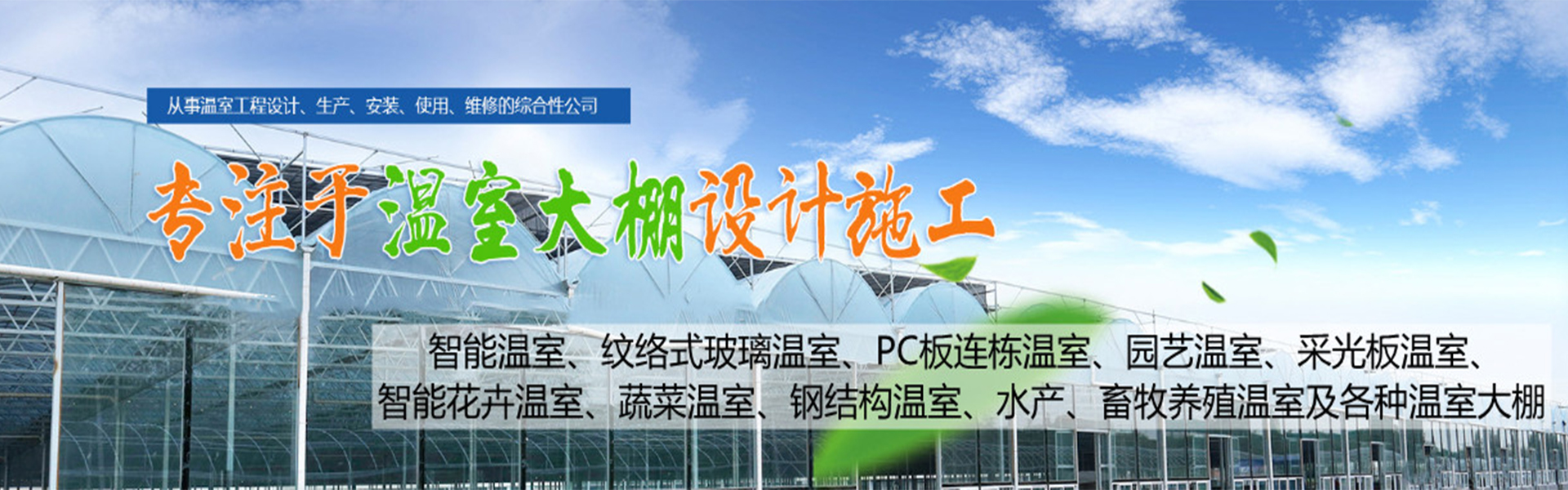

Glass greenhouses refer to greenhouses that use glass as the lighting material, a type of greenhouse. In cultivation facilities, greenhouses are a form with a longer lifespan and are suitable for various regions and climatic conditions. They offer advantages such as attractive appearance, good transparency, excellent display quality, and long service life.
Greenhouses, characterized by glass as their lighting material, are a type of greenhouse structure. As a form of cultivation facility with a longer lifespan, greenhouses are suitable for various regions and climatic conditions. In the industry, the breadth and scale of the bay are divided into different construction models, and different usage methods include vegetable greenhouses, flower greenhouses, seedling greenhouses, ecological greenhouses, research greenhouses, vertical greenhouses, irregular-shaped greenhouses, leisure greenhouses, and smart greenhouses, among others. The area and usage of glass greenhouses can be freely allocated by the main greenhouse. The smaller ones are typically courtyard leisure models. Heights can reach over 10 meters, spans can reach up to 16 meters, and wide openings can be up to 10 meters. The level of intelligence can reach one-touch control. For winter heating in greenhouses, various heating methods can be employed, with energy consumption costs being moderate and most being acceptable.
The glass greenhouse boasts high light transmission rates. Single-layer float glass has a transmission rate of >90%, while double-layer glass offers >80% transmission rate, with a stable transmission rate (which does not cause a decrease over time). It is free of moisture vapor, resistant to aging and condensation, heats up quickly, and has an aesthetically pleasing, transparent appearance. It offers long service life, ample operating space, and excellent display quality.
