



详情描述
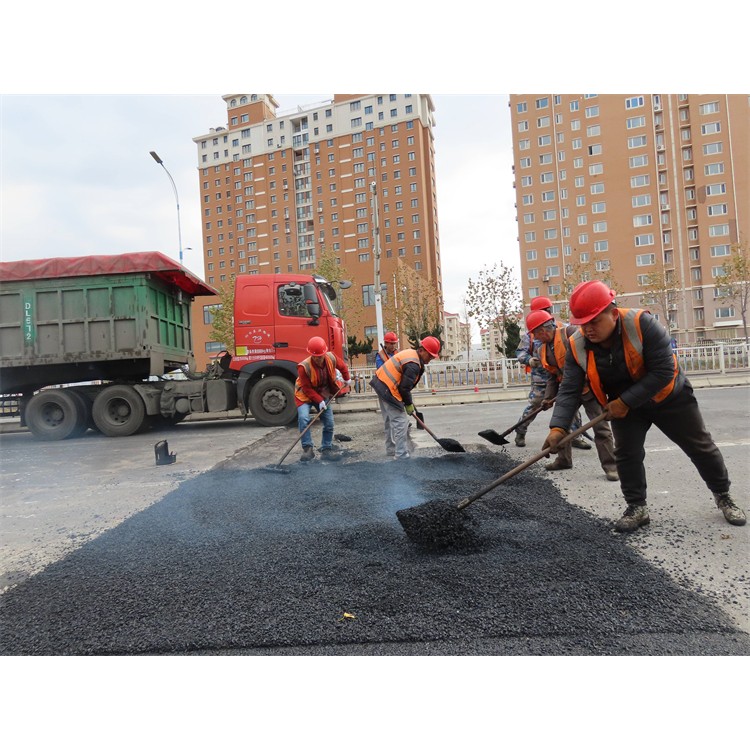
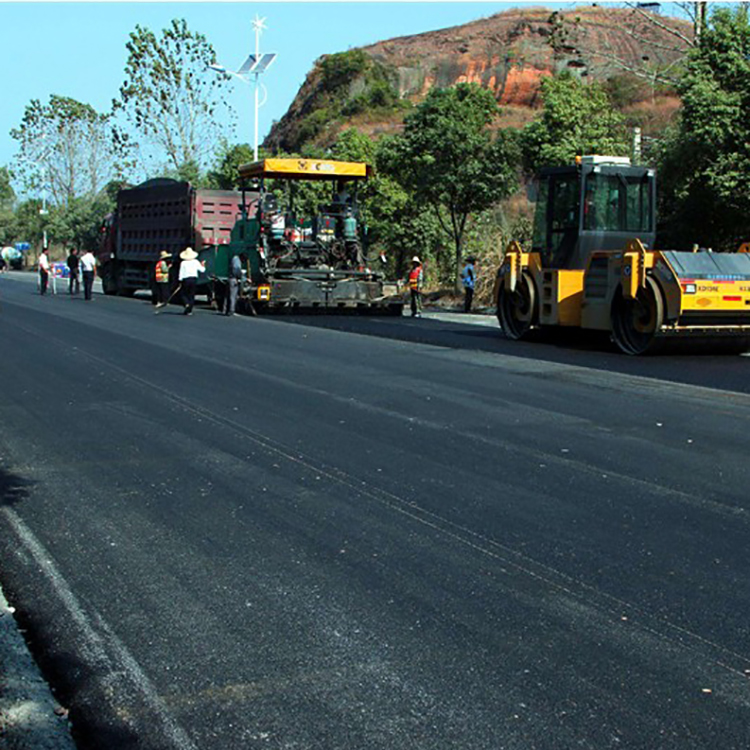
1. Modified asphalt boasts high resistance to high temperatures and low temperatures, with excellent adaptability to various challenging environments. 2. It has excellent toughness, can withstand fatigue, and significantly enhance the road's load-bearing capacity. 3. Modified asphalt exhibits superior water resistance, oil resistance, and UV radiation resistance, and it also slows down aging. 4. Its performance is stable, with a relatively long service life. During use, the maintenance cycle can be extended, thereby reducing maintenance costs. 5. Overall, the superior properties of modified asphalt are primarily due to the additives used. These additives can not only blend well under various environmental conditions and at different temperatures and kinetic forces but also react uniquely with asphalt, significantly improving its mechanical properties. Even heavy trucks can pass over it without issues, as the modified asphalt's hardness and strength are comparable to that of reinforced concrete.
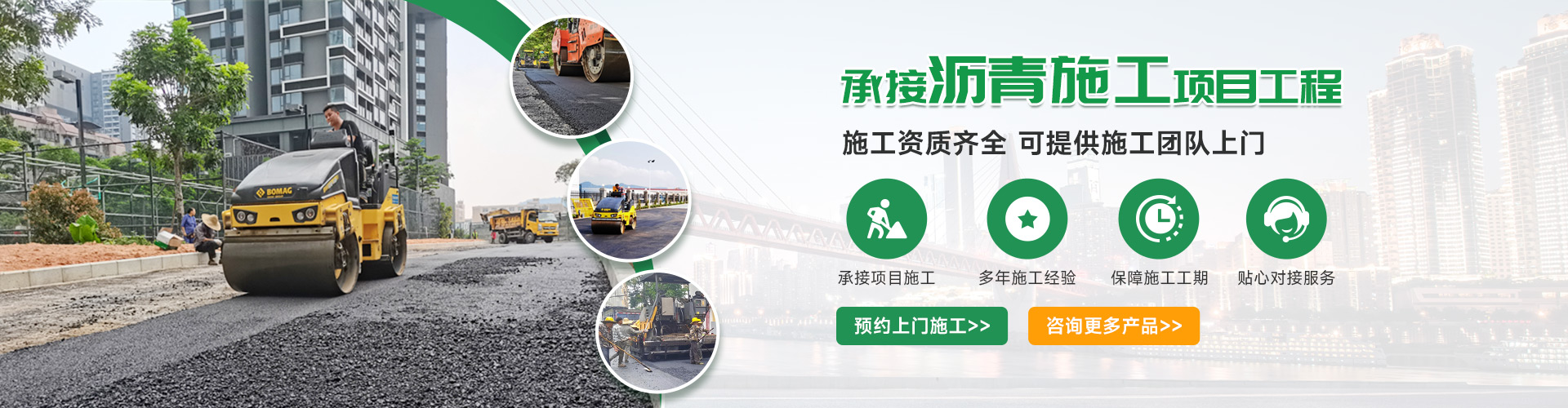
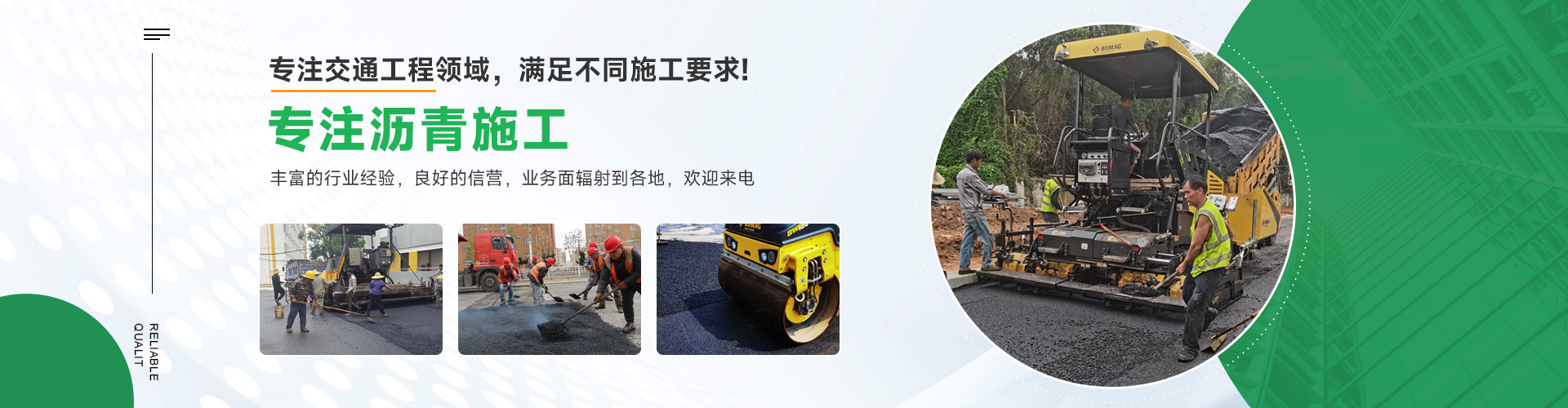
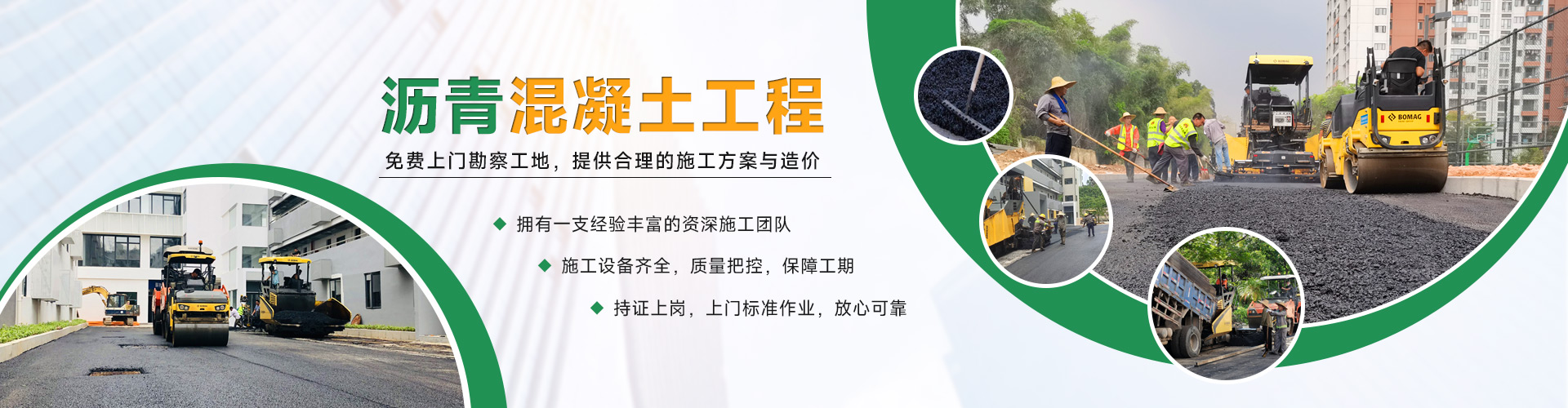
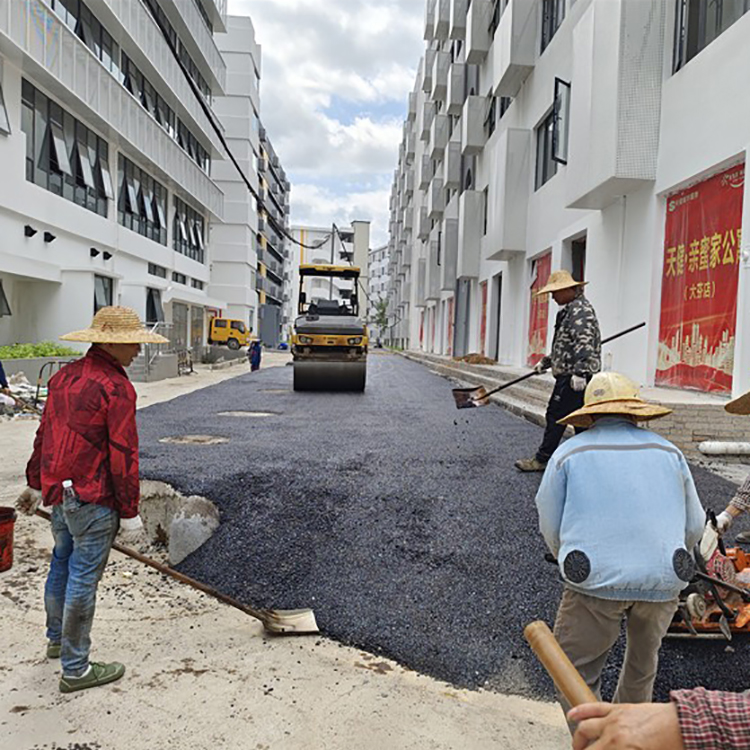
Louisong specializes in asphalt road construction, asphalt paving, and various types of municipal road projects. Our work is spread across all provinces and municipalities in the country. With our robust product quality and excellent service reputation, we have gained consistent recognition from numerous clients. Our company boasts an experienced, well-equipped, and technically proficient construction team. The municipal projects we have collaborated on have received unanimous praise from clients. We hope to establish a sincere partnership with you for mutual growth.
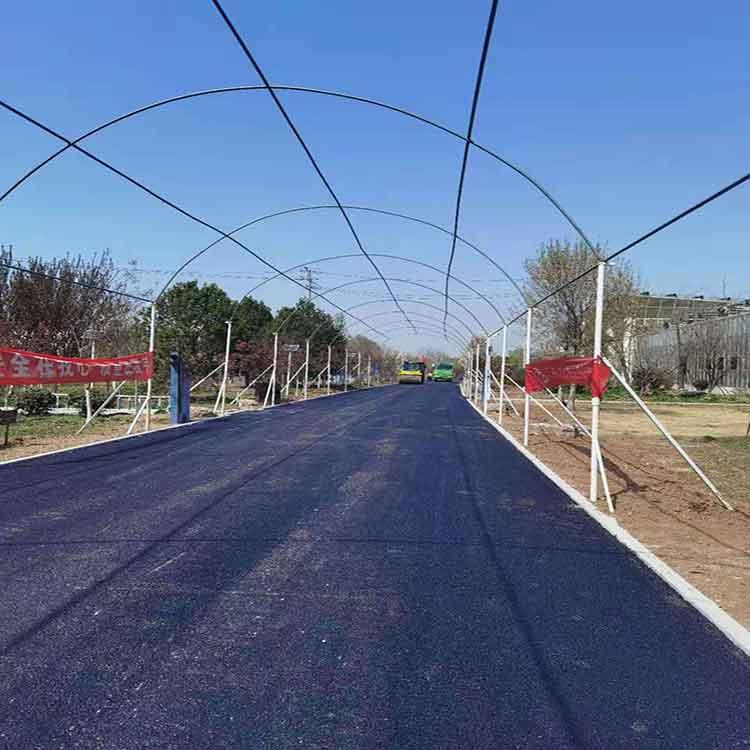
Pavement asphalt laying precautions:
1. Ensure the subgrade is thoroughly cleaned, with a clean surface and no standing water before beginning the permeable layer oil application. Prior to laying the permeable layer oil, mark the cracking locations of the subgrade (laying a glass fiber grid can help reduce the risk of asphalt pavement cracking in the future).
Ensure that the edge stones and other areas in direct contact with asphalt are adequately covered with the underlay oil to prevent water from渗透 into the subgrade in the future, which could damage the subgrade and cause the road surface to sink.
When applying the slurry coating, control the thickness; it should not be too thick or too thin. Too thick can make it difficult for asphalt to break emulsification and lead to certain quality issues.
4- Asphalt Mixing: A dedicated staff must be in place to control the asphalt plant's exit temperature, mix ratios, and asphalt-to-aggregate ratios.
5- Asphalt Transportation: The vehicle trailers must be coated with anti-adhesive or separator agents, and should be covered with tarpaulins to achieve asphalt insulation. At the same time, the required number of vehicles should be calculated comprehensively based on the distance from the asphalt station to the paving site, to ensure continuous asphalt paving operations.
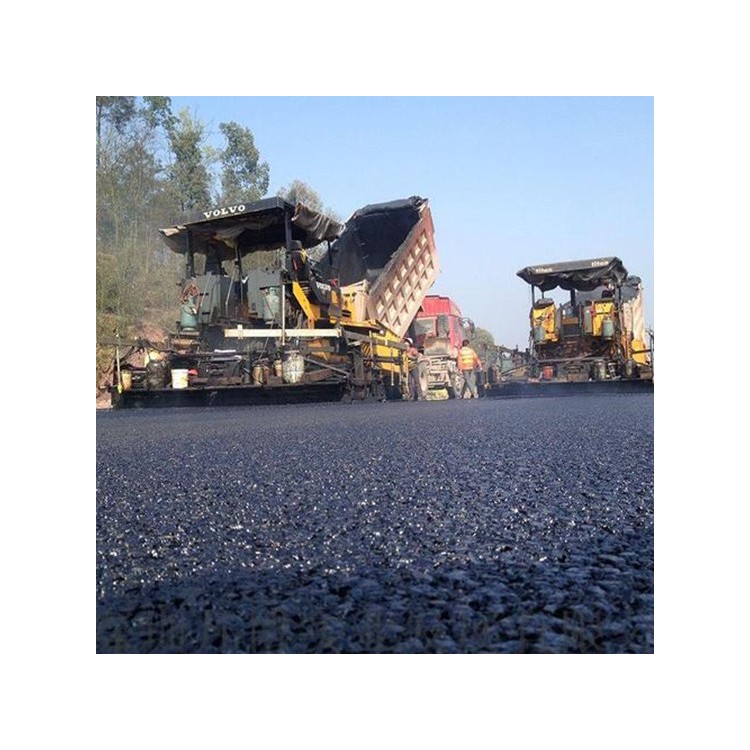
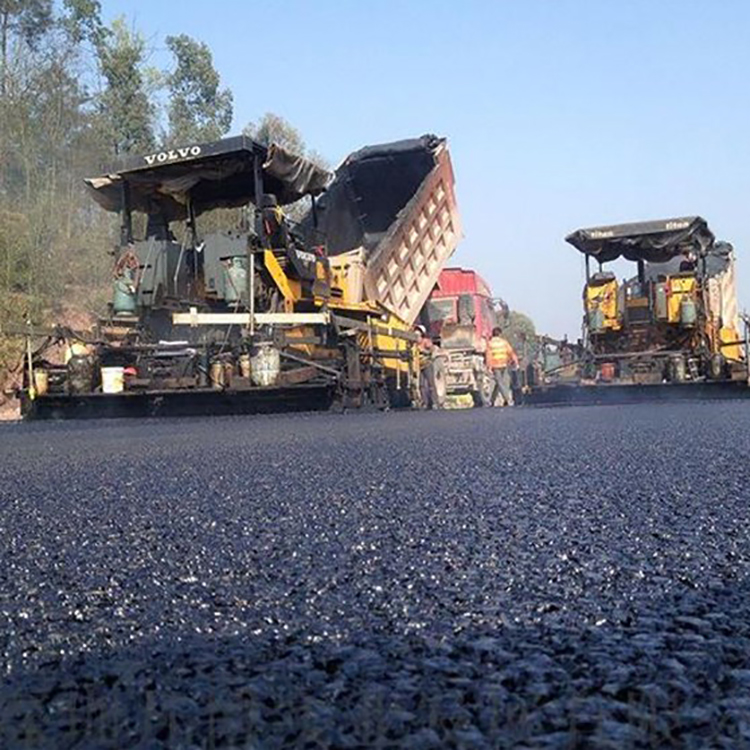
6- Asphalt Paving: Before asphalt paving, the paver should be preheated for 0.5-1 hour, and paving can begin once the temperature reaches below 100℃. Prior to starting the paving, ensure that the following are in place: the laying out work, the paver operator, the dedicated paver computer panel operator, and 3-5 material transport trucks. During the paving process, promptly add material to areas where mechanical paving is incomplete and strictly prohibit discarding asphalt.
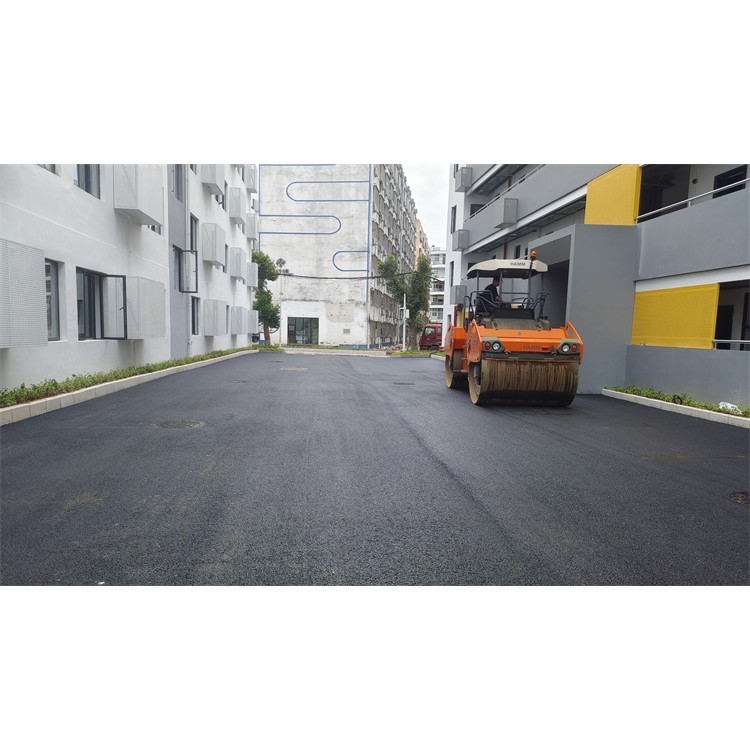
7- Asphalt Compaction: The initial compaction of asphalt concrete can be done using steel-wheeled rollers or tire rollers, with the initial temperature not below 135℃ and the final temperature not below 70℃; modified asphalt should not be compacted with tire rollers, with the initial temperature not below 150℃ and the final temperature not below 90℃. For areas inaccessible to large rollers, small rollers or tampers can be used for compaction and tamping.
8- Asphalt Maintenance or Open to Traffic:


