


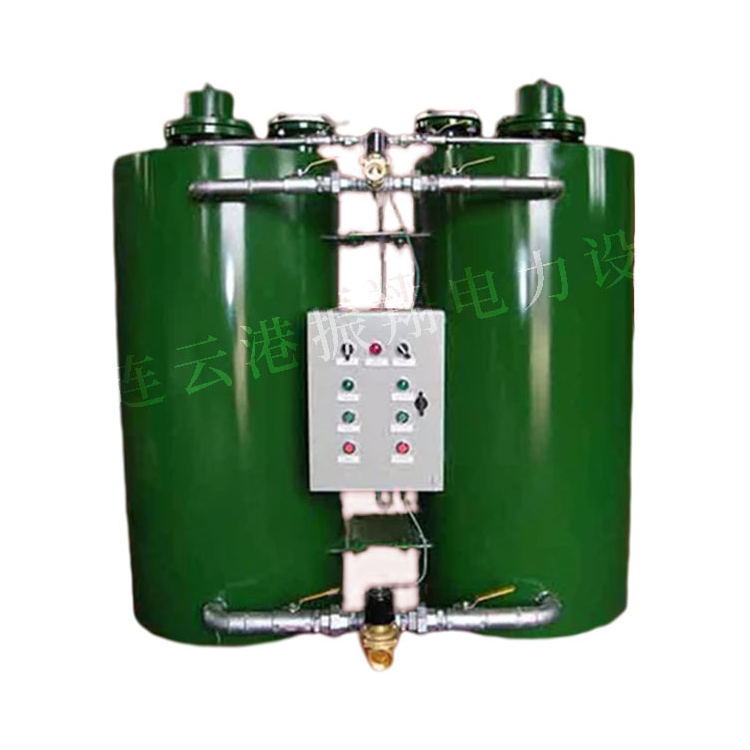
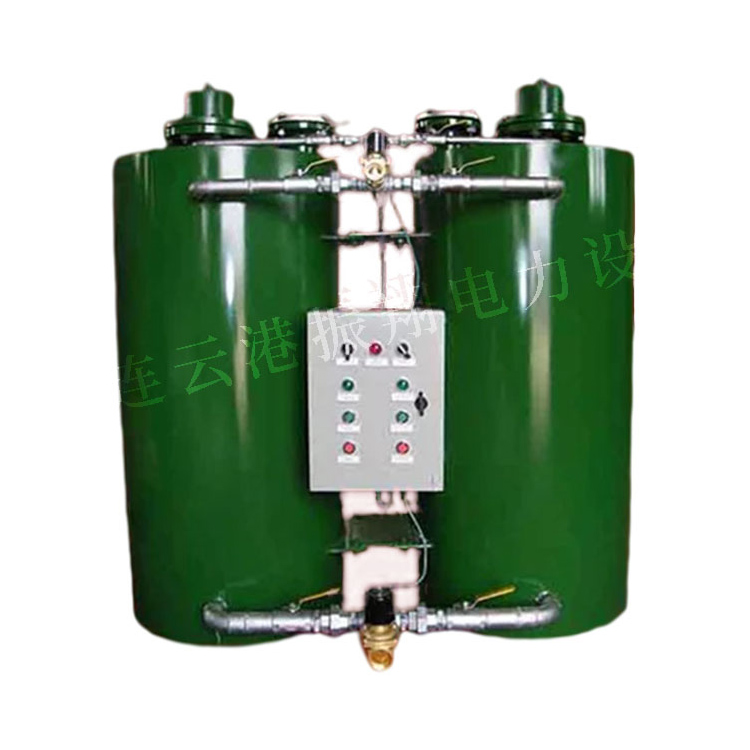
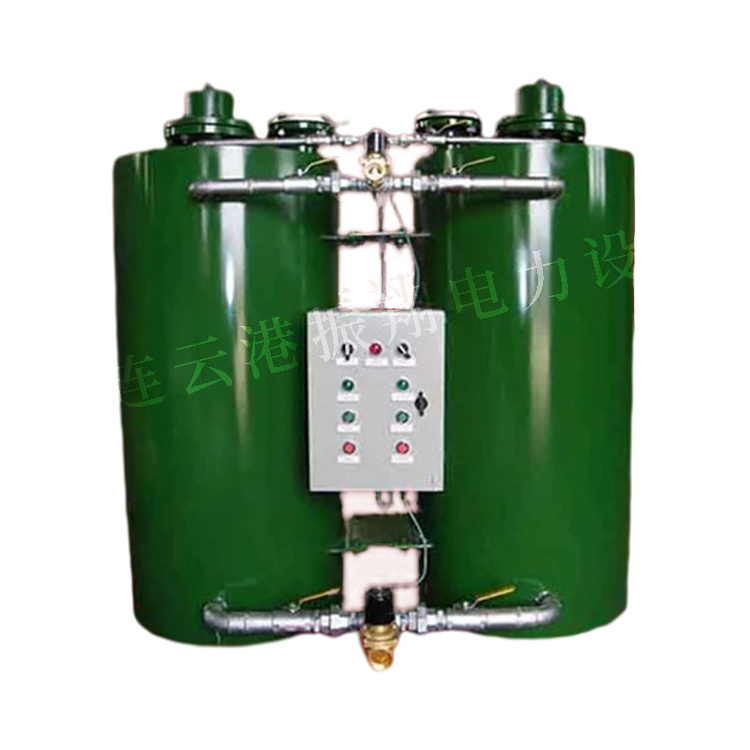
The vacuum preserver is composed of three parts: a water-gas displacement tank, a water-gas displacement valve, and an automatic water-filling unit.
The water-gas exchange tank is a sealed container for storing the water used for exchange and the gas being exchanged. When water is added to the exchange tank, the gas can be expelled through a one-way exhaust valve. A water seal prevents backflow into the one-way exhaust valve.
The water-gas exchange valve is a component that allows for normal exchange of water and gas within a single channel. The conical bell mouth of the upper connection piece generates an adherent flow that effectively eliminates the formation of gas blockages. The pressure relief hole on the lower connection piece converts the positive pressure formed when water is filled into negative pressure. The two-way water-tight float can automatically close the channel for pressure water as needed for operation. The valve body is made of an organic glass tube, allowing for direct observation of the two-way water-tight float's movement, thereby determining if the operation is normal and identifying the location of any faults.
The automatic water filling equipment is composed of solenoid valves, reed switches, relays, and magnetic steel float balls. It automatically opens the solenoid valve based on the set water level value in the water-gas exchange tank, filling the tank with water.
Compared to existing technology, this invention boasts a smaller size, easy installation, non-occupancy of floor area, no impact on existing equipment, automated operation, and low operation costs. Additionally, it is not dependent on pump model, power size, or the diameter of the suction pipe, making it highly versatile in application.

