
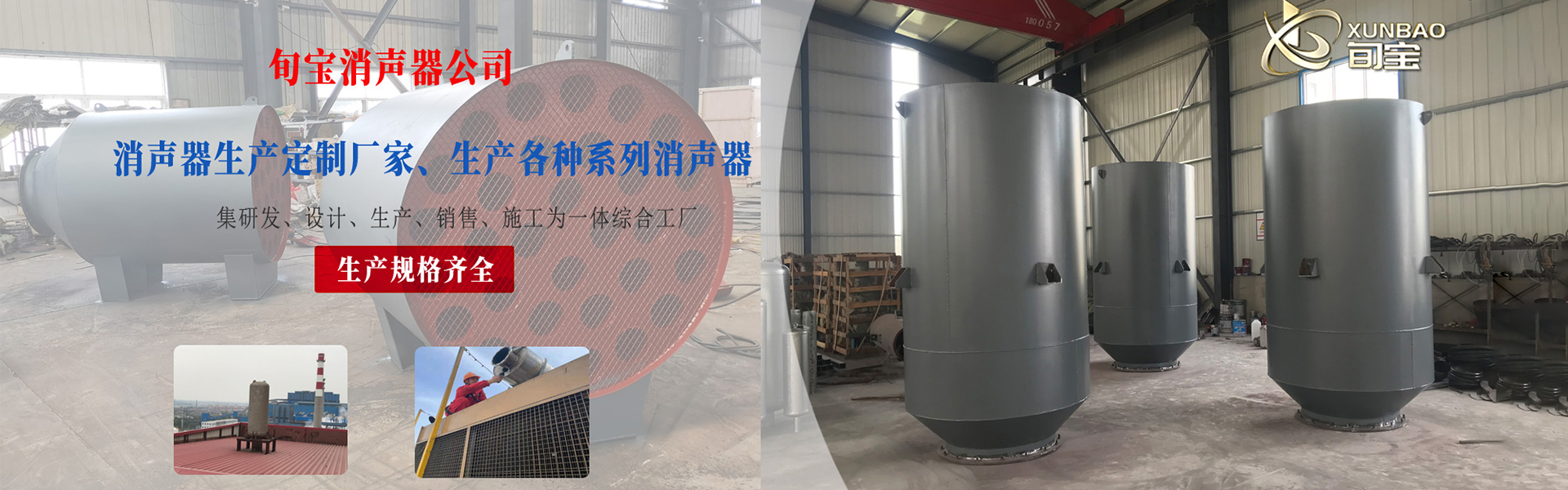
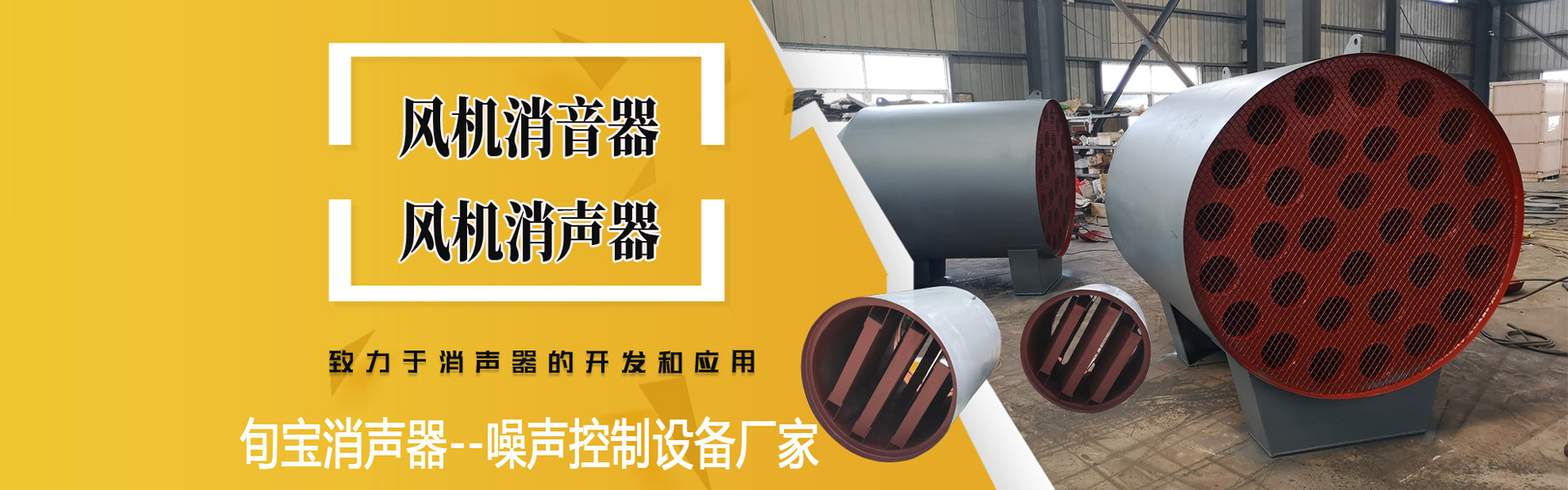




The pipeline silencer achieves noise reduction through multi-stage flow control and pressure reduction, sound energy conversion, and a composite noise suppression structure. Its core working principle includes four mechanisms: sound wave interference cancellation, absorption by porous materials, resistive filtering, and air flow energy consumption.
Four Core Mechanisms of Operation
Acoustic Interference Cancellation
By designing pipes of varying lengths, sound waves are made to intersect with opposite phases, thereby canceling each other out (such as when the length difference is half a wavelength).
Typical Application: Dual-tube interlocking structure for automotive exhaust mufflers.
Sound Energy Conversion Mechanism
The resistive silencer utilizes porous absorbent materials (such as glass fiber, metal acoustic cotton) to convert sound energy into heat energy through pore friction.
The high-frequency noise reduction effect is significant, capable of reducing noise by 15-35 decibels.
Resistant filter structure.
By utilizing the expansion chamber with a mutated cross-section and the resonance chamber in combination, an acoustic filter is effectively formed to eliminate mid-to-low frequency noise.
For instance, the multi-stage pressure-reducing chamber design of the steam muffler achieves a sudden drop in pressure through volume expansion.
Airflow Energy Consumption
Forced airflow direction alteration (e.g., through baffles, elbow-type channels), dissipating kinetic energy through turbulence.
By reducing the orifice diameter (0.5-2mm) through the nozzle structure, the noise frequency is elevated to above 20,000Hz, exceeding the range of human hearing sensitivity.
Key Technology Features
Composite Structure Design: Over 80% of industrial mufflers use impedance composite structures (resistive + reactive), achieving wideband noise reduction of 20-60dB.
Material Compatibility: 0Cr18Ni9 stainless steel for high-temperature conditions, 20g/16MnR alloy steel for high-pressure environments, and the thickness of the sound-absorbing layer is generally 50-150mm.
Customized parameter matching: The silencer specifications must be calculated based on steam pressure (0.1-35MPa), temperature (150-600℃), and flow rate (1-200t/h).