
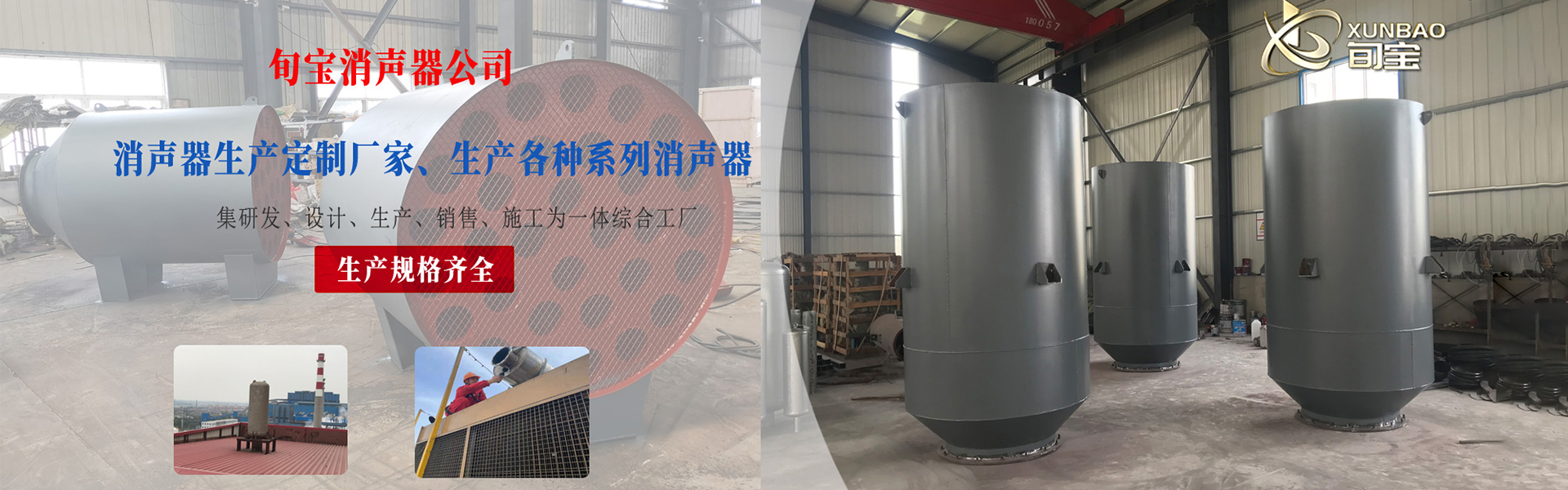
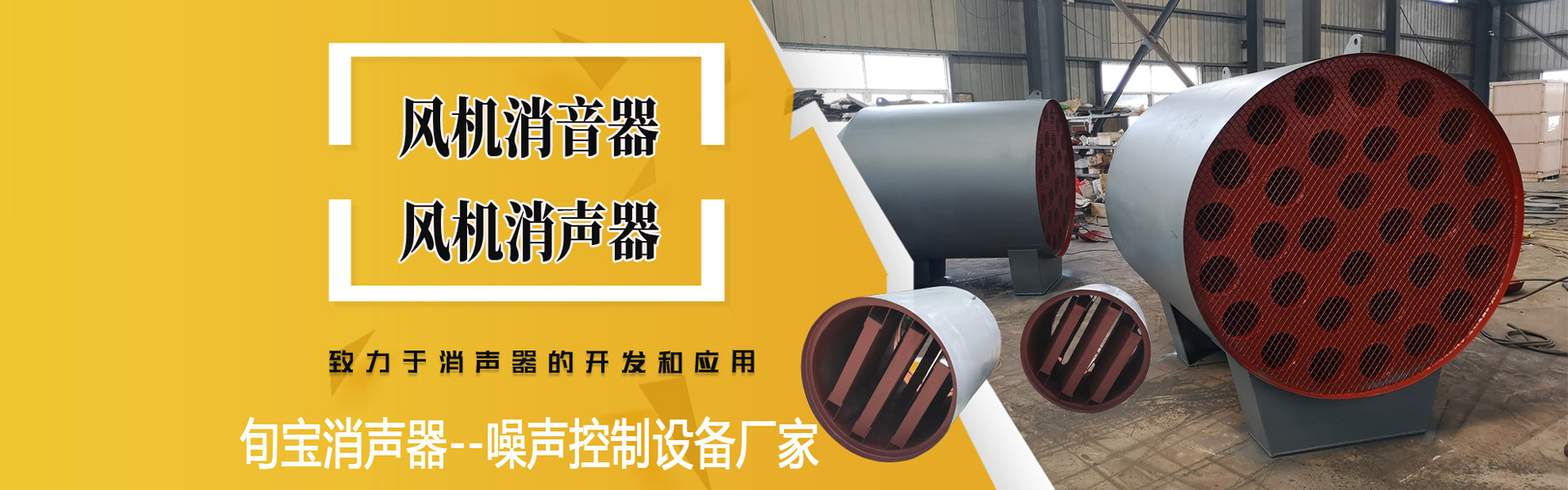




The Steam Silencer is a specialized equipment for noise reduction of high-temperature and high-pressure steam emissions in industries such as power, chemical, and metallurgy, used for safety valves, PCV valves, and exhaust valves. It is designed with a composite noise reduction principle of resistance, spray, and obstruction, achieving noise attenuation through flow control, expansion, and soundproofing housing structures, with a total noise reduction of up to 36-42 decibels. Depending on the application scenario, it is mainly divided into types such as TB (boiler ignition exhaust and safety valve discharge) and TD (low-pressure steam), which can meet the steam emission requirements of different pressure conditions in power plants and petrochemical enterprises. It also needs to meet design requirements for anti-blocking and high-temperature resistance.
Primary Types
1.
TB Type Exhaust Muffler
Application: Effective noise reduction for high-temperature and high-pressure steam exhaust in safety valves, PCV valves, and exhaust valves in industries such as power, chemicals, and metallurgy.
Features: Compatible with pressure ranges of 0.16-18.3 MPa, suitable for back-pressure turbines and other equipment.
2.
TA Type Security Door Muffler
Application: Designed for boiler safety valve exhaust.
3.
TD Type Low-Pressure Silencer
Application: Noise reduction for steam exhaust from boilers, deaerators, and other equipment with pressures below 0.16 MPa.
Application Scenarios
Widely applied in scenarios such as boiler flushing in thermal power plants, steam exhaust from deaerators in thermal power companies, and safety valve discharge in petrochemical facilities, as of 2022, it has covered industrial fields such as iron and steel metallurgy and textile dyeing. Typical installation objects include:
Boiler Ignition Exhaust System
High-temperature and high-pressure safety valve exhaust pipeline
Back-pressure steam turbine exhaust outlet
Selection and Installation
Selection must consider parameters such as steam emission targets, pressure, flow, and blockage ratio to avoid excessive flow noise. During installation, ensure the muffler's axis aligns with the pipeline's axis to prevent airflow deviation causing secondary noise; specialized brackets must be used in high-pressure scenarios to withstand reaction forces.