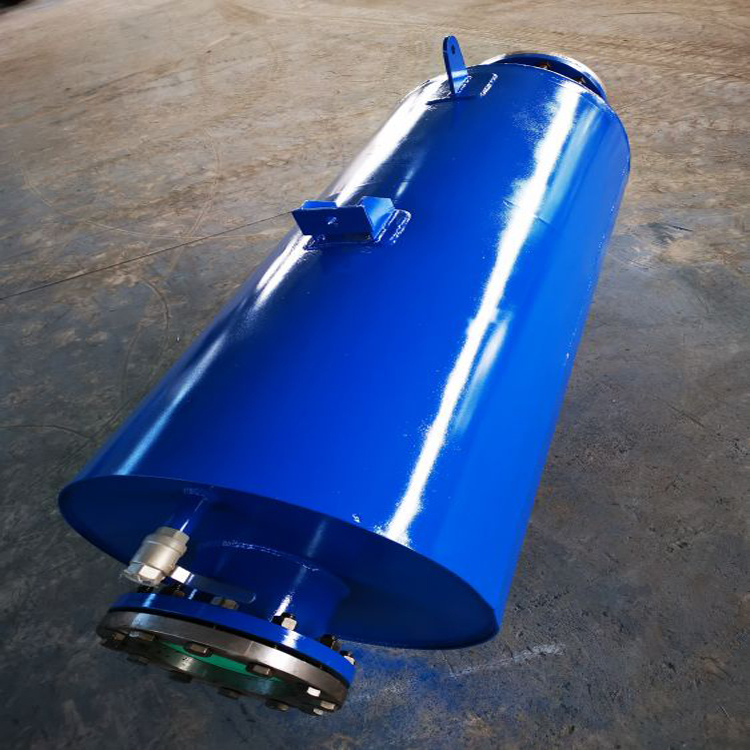


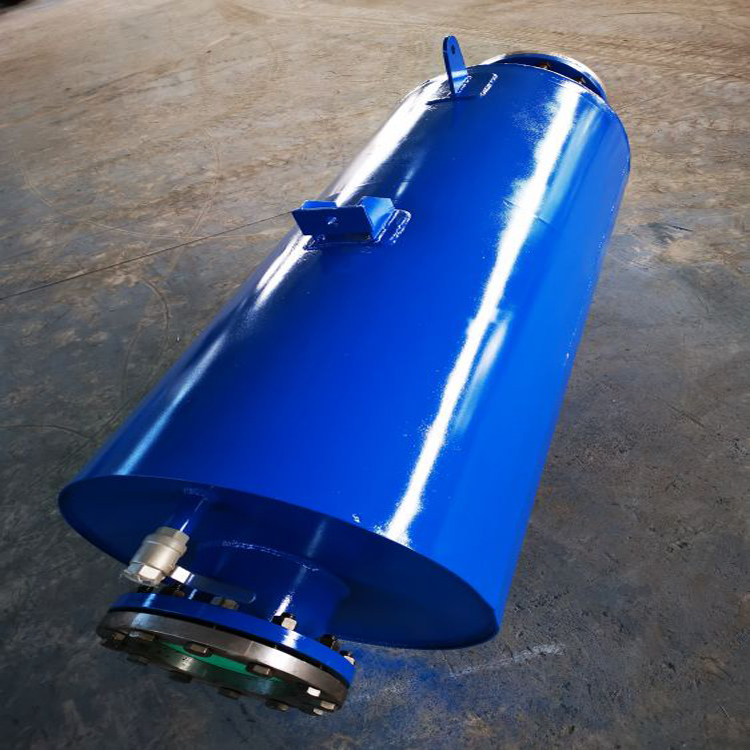
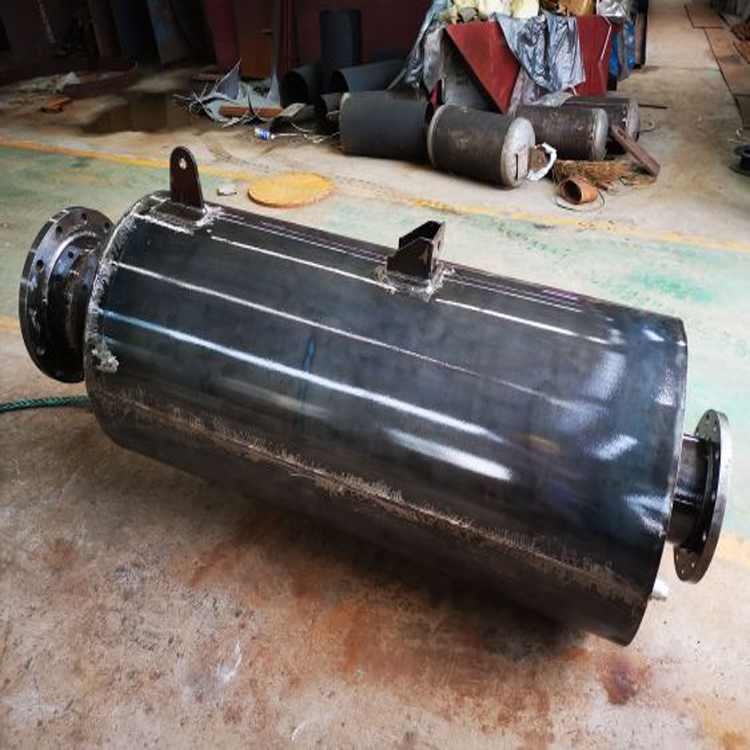
Impedance Composite Muffler
The existing mufflers mostly employ a composite impedance noise reduction principle. Due to reasons such as complex structure, heavy weight, high-temperature oxidation of the noise-absorbing material, high-speed airflow impact on the noise-absorbing material, and water vapor permeation through the noise-absorbing material, mufflers often suffer from frequent maintenance, poor noise reduction performance, and a short service life.
This has always been a design challenge for mufflers, but the micro-perforated muffler, designed with reasonable noise reduction principles, effectively addresses these issues and achieves good results. The micro-perforated muffler does not use any resistive acoustic filling material, instead employing a micro-perforated, multi-chambered structure. High-pressure gas flows through the muffler, entering the cavities multiple times under controlled conditions, gradually altering the original gas flow's sound frequency. It has minimal resistance loss, a wide noise reduction frequency band, and does not produce dust during operation. It is resistant to oil mist and moisture. It withstands high temperatures and impacts from high-speed gas flow. It ensures the environmental noise meets the national "Noise Hygiene Standards for Industrial Enterprises." It is widely used in industries such as petroleum, chemicals, metallurgy, and textiles.