


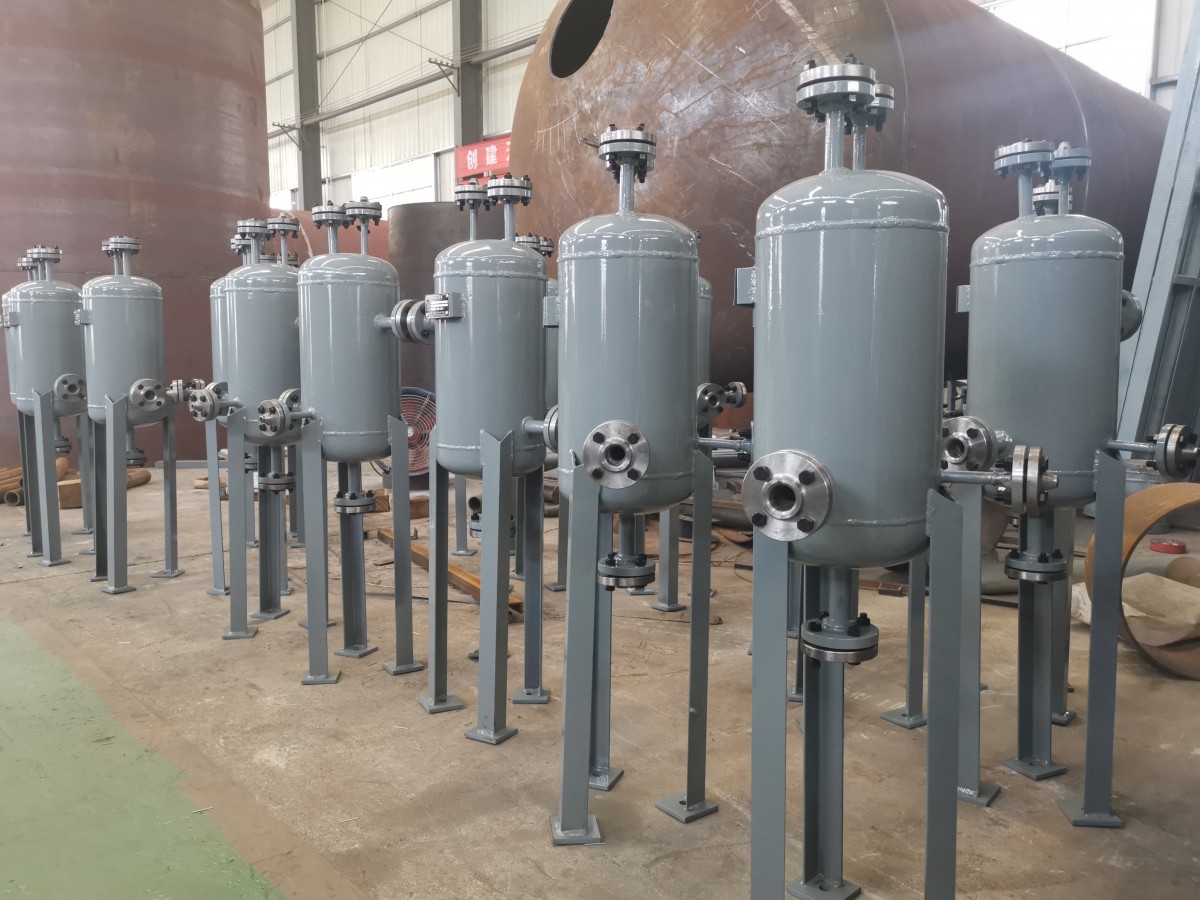
Product Details
I. Definition
Coolers are a type of heat exchange equipment used for cooling fluids. They typically use water or air as the cooling agent to dissipate heat.
Section II: Application Scope
Suitable for various operating conditions such as coolers, condensation, heating, evaporation, and waste heat recovery.
Section 3: Categories
Tube and Shell Cooler
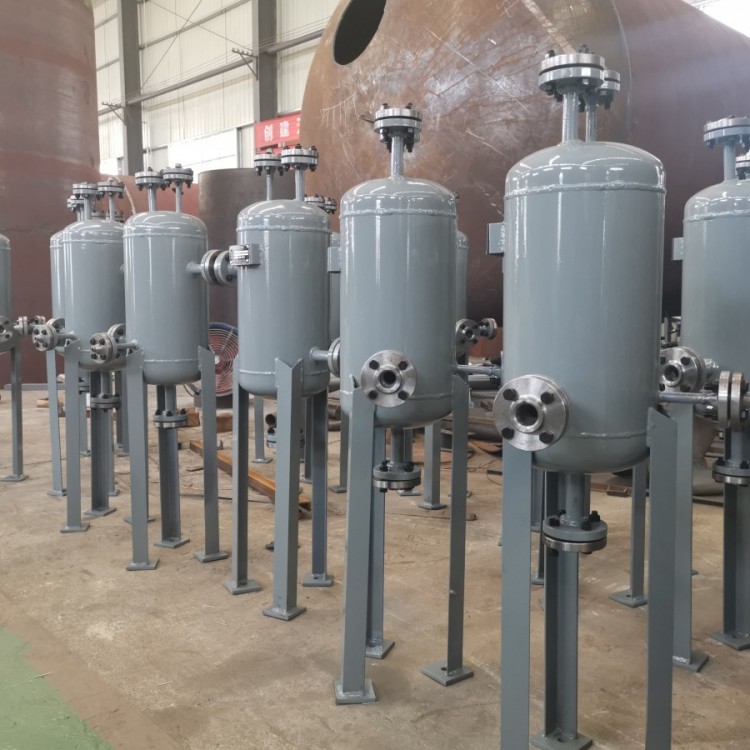
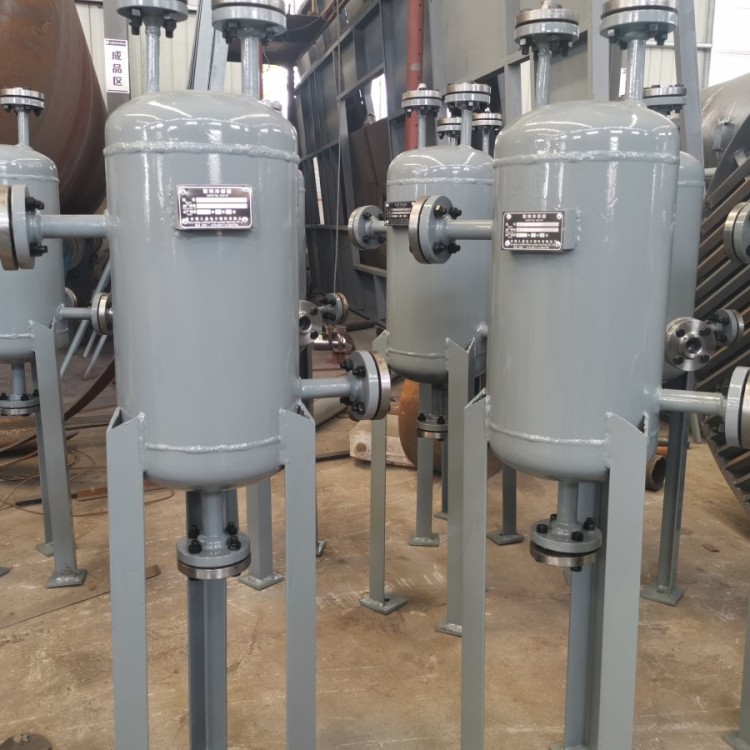
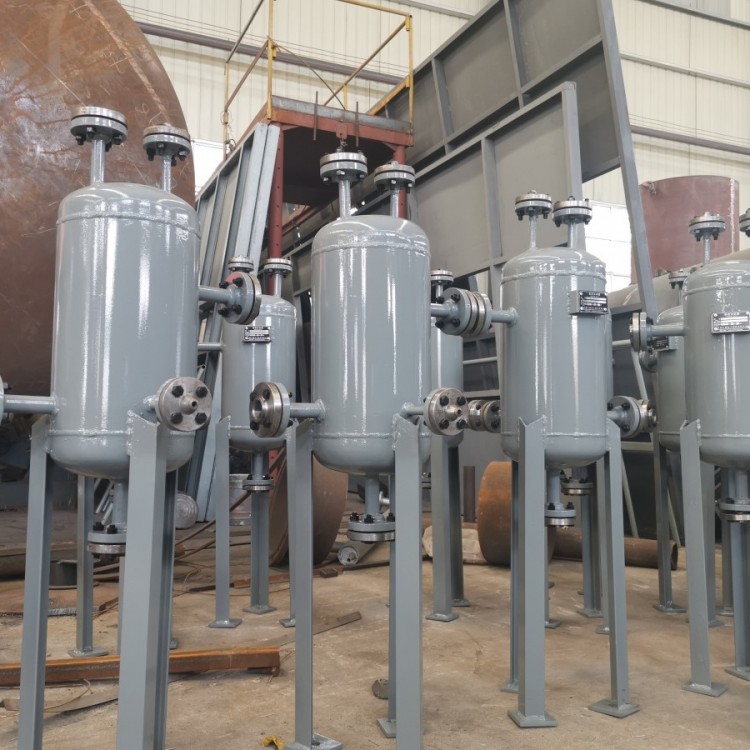
Shell and Tube CoolerComposed of the outer shell and the internal cooler body. Due to varying structural designs, the external connection types are pipe threaded and flanged; the installation types are horizontal and vertical; the floating types are disc floating and head floating; the tube structures of the cooler are coil and finned tube; and the baffle structures include arch baffles, rectangular baffles, double weir baffles, and circular baffles, all selected based on specific conditions.
② Principle
The heat medium of the tube bundle cooler enters through the inlet header on the cylinder, sequentially passing through each baffle channel, and曲折ly flows to the outlet header. The cooling medium, however, employs a two-pass flow, where the cooling medium enters half of the cooler tubes via the inlet cover, then flows back into the other half of the cooler tubes through the return cover, to another side water distributor, and finally into the outlet pipe. During the two-pass flow process, the cold medium absorbs the excess heat released by the heat medium and discharges it through the outlet, maintaining the working medium at the rated operating temperature.
2. Plate-type cooler
Plate heat exchangers are a new type of heat exchange equipment featuring high heat transfer efficiency, compact structure, small land occupation, and easy installation. They can be conveniently combined into any flow form according to different process requirements, and thus are widely used in various industrial fields such as oil, petrochemicals, metallurgy, machinery, light industry, food, power, coating, and heating. In recent years, they have also been applied in the cooling water, pure water, and other areas of the microelectronics industry.Ultra-pure Water SystemAlso widely adopted in China.
Due to the refrigerant fluid (chilled water) andRecirculating Cooling Water(Working fluid) does not come into direct contact; instead, it transfers heat from the circulating cooling water to the refrigerant water through heat exchange plates. At this point, the circulating cooling water with higher temperature is cooled down to become low-temperature fluid. When the fluids on both sides of the heat exchange plates are at a constant temperature for heat transfer,
3. Air-cooled cooler
Air-cooled oil cooler (shortened to air cooler) is a type of cooler that uses air as the cooling source.Aluminum alloy plateWingShell and tube heat exchanger, featuring oil and air channels with heat transfer fins in the core body, offering a larger heat exchange area per volume with high heat transfer efficiency, and utilizing air as the medium for heat exchange. Compared to water-cooled radiators, it not only offers easy installation and maintenance but also prevents the mixing of oil and water caused by burst copper pipes, which can severely damage the system. Additionally, for equipment that requires relocation (such as construction machinery), it eliminates the need to consider water supply, and there's no need for disassembly and reconstruction of the water circulation system, making it an increasingly popular environmentally friendly product.
IV. Installation Method
Cooler installation methods include:Vertical Cold Oil CoolerAndHorizontal Oil CoolerVertical coolers feature a small required installation area and easy installation. Horizontal cool oilers have characteristics such as lower pressure drop and strong resistance to water impact. Therefore, selecting the appropriate vertical or horizontal cool oiler based on different site requirements, space height, and performance needs can better meet the needs of generators and other equipment.
CoolerPressure TestUpon qualification, it may be put into use, and the front should be drained of internal water.
(2) Check the operation and flexibility of all drain and vent valves, as well as the switch positions. Ensure that all pressure gauges and thermometers are properly installed.
(3) Inspect the foundation and supports for stability, and ensure all bolts are fully engaged and tightened.
(4) When in use, first introduce cold flow, followed by hot flow.
(5) When using cold or hot media, ensure the auxiliary line is clear first, then slowly open the outlet valve. After confirming there are no issues, open the inlet valve and do so slowly to prevent pressure build-up. Pay attention to observing any changes in the equipment during the operation. After the cooler is in use, leaks may occur due to changes in temperature and pressure, so timely inspections should be conducted.
