



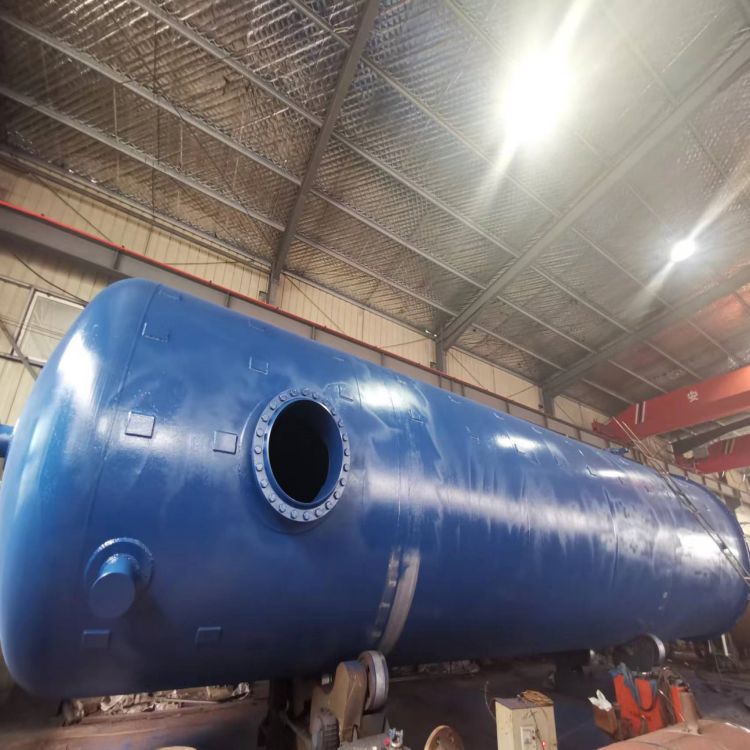
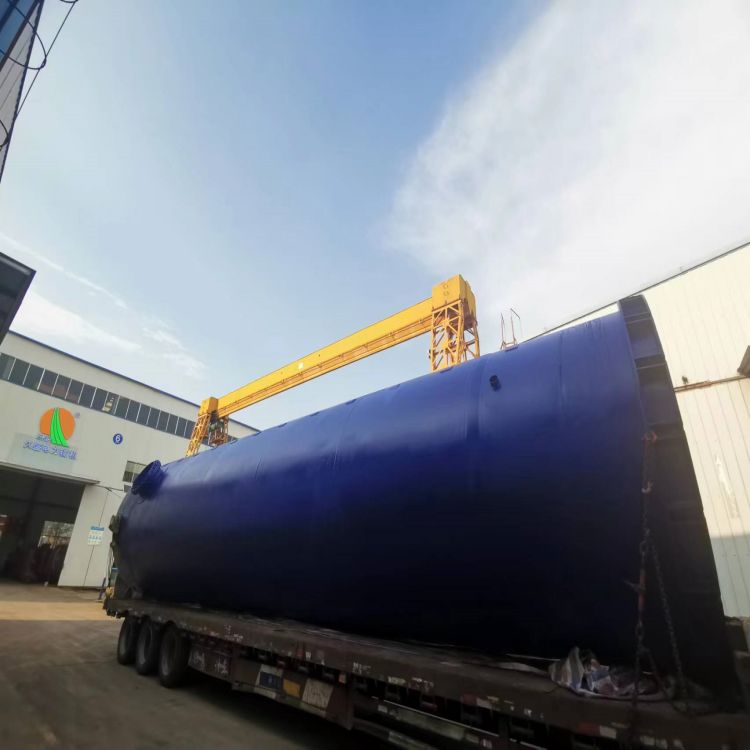


I. Definition
The air storage tank is used for buffering air and also serves to cool it down (the exhaust temperature from an air compressor is around 70-80℃). Its most crucial function is to initially remove water and oil. The tank can remove up to 70% of oil and water, making the air storage tank an indispensable piece of equipment for air compressors.
II. Function
1. Air Storage: There is no storage for compressed air in an air compressor. Once the compressed air reaches the predetermined pressure, it will be exhausted. By using an air receiver, finished compressed air can be stored, ensuring a more stable air supply.
2. Pressure Stability: During the operation of an air compressor, the air pressure is unstable with significant fluctuations. An air storage tank can be used to control the air pressure within an appropriate range, andEliminateFluctuations in gas flow within the pipeline. The compressed air output from the air compressor, passing through the air storage tank, will have a buffer zone, which is of high quality and can maintain the set value. The gas system can achieve relatively stable pressure.
3. Cooling Filtration: The temperature of the finished compressed air entering the air receiver will be reduced to achieve the preliminary cooling effect on the compressed air. At the same time, it can deposit some water and oil in the compressed air, improving the quality of the finished compressed air.
Section 3: Installation
1. The Full Assembly Method: This method involves first welding the base of the tank in place, then assembling and welding the annular plates of the tank wall onto the base. Subsequently, the bottom plate is welded, and the second annular wall plate is mechanically assembled and sequentially welded to the annular plate. The longitudinal seam of the second annular wall plate is then welded, followed by the circumferential seam between the second annular wall plate and the annular plate. This process is repeated in order, ascending until the assembly and welding of the next annular wall plate is complete. Large floating roof tanks typically use the full assembly method for construction, with automatic welding generally employed for wall and bottom plate welding.
2. Inverted Construction Method: The construction process of the inverted method is the opposite of the conventional method. The process is as follows: lay the bottom plate of the tank → install the circumferential wall panels on the laid bottom plate → manufacture and install the tank roof → lift the entire structure → install the next circumferential wall panel → lift the entire structure again → continue this process from the top down until the next circumferential wall panel is installed.
