
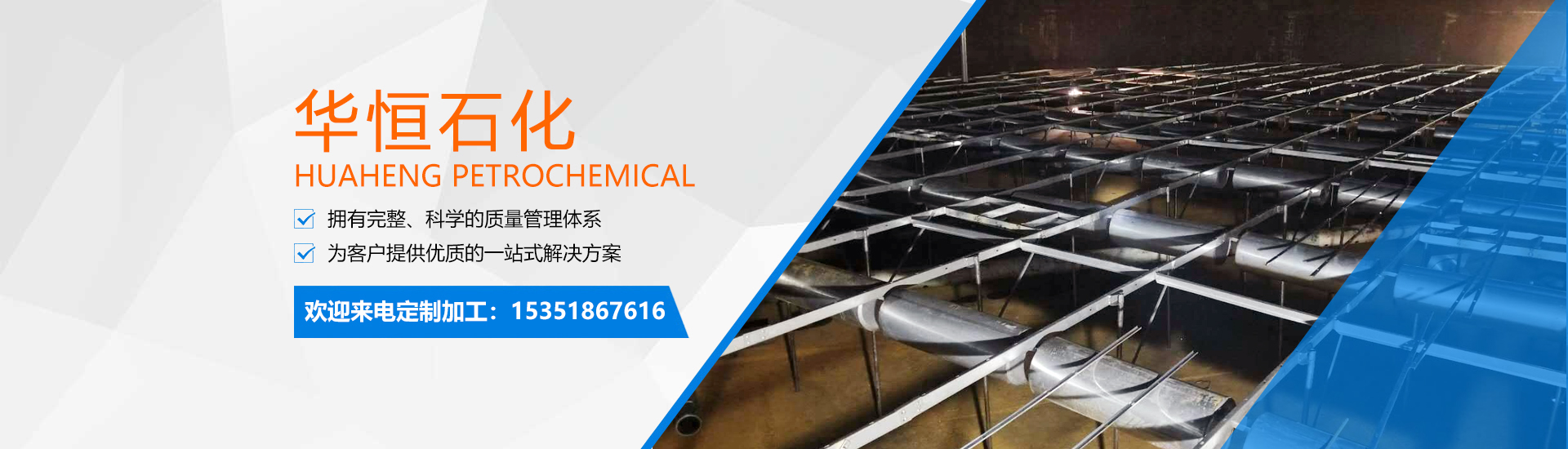


The floating internal floating roof is a floating cover that moves up and down with the oil level inside the tank. Using this internal floating roof to cover the liquid surface is a widely recognized economical and simple method for reducing oil evaporation losses. Data shows that within 3-6 months, the economic value of the reduced oil vapor emissions is equivalent to the cost of purchasing the internal floating roof, meaning the investment can be recouped within six months.
Product Introduction
The connector and abutment tanks are suitable for various sizes, and they do not contaminate oil or chemicals. They reduce medium evaporation loss, prevent air pollution, and are an ideal internal floating roof. They offer low costs, short construction periods, corrosion resistance, non-occupational volume, and long service life.
The purpose of using an internal floating roof on oil tanks is to minimize evaporation losses during storage, conserve energy, reduce safety hazards, and decrease environmental pollution.
Product Advantages
1. Modular parts facilitate production, transportation, assembly, and installation, significantly reducing the time to market. They offer high buoyancy, strong stability, and excellent resistance to tilting and jamming, allowing for multiple people to walk on the buoyant platform.
All made of aluminum alloy or stainless steel, offering high strength, rust-free, non-polluting to oil, and long service life.
3. Suitable for new and old storage tanks, construction safety ensured.
Key Features
1. The main component buoyant floats are formed through an integral hot extrusion process at the aluminum factory, using materials LF21Y2 and LD31RCS.
2. Suitable Medium: High-volatility petroleum products that are non-corrosive to aluminum alloys or stainless steel.
Each buoy of the single equipment provides more than double the buoyancy of its overall weight.
4. The internal floating roof design meets the requirements of SH3046-92 and AP1650-98 standards.
