
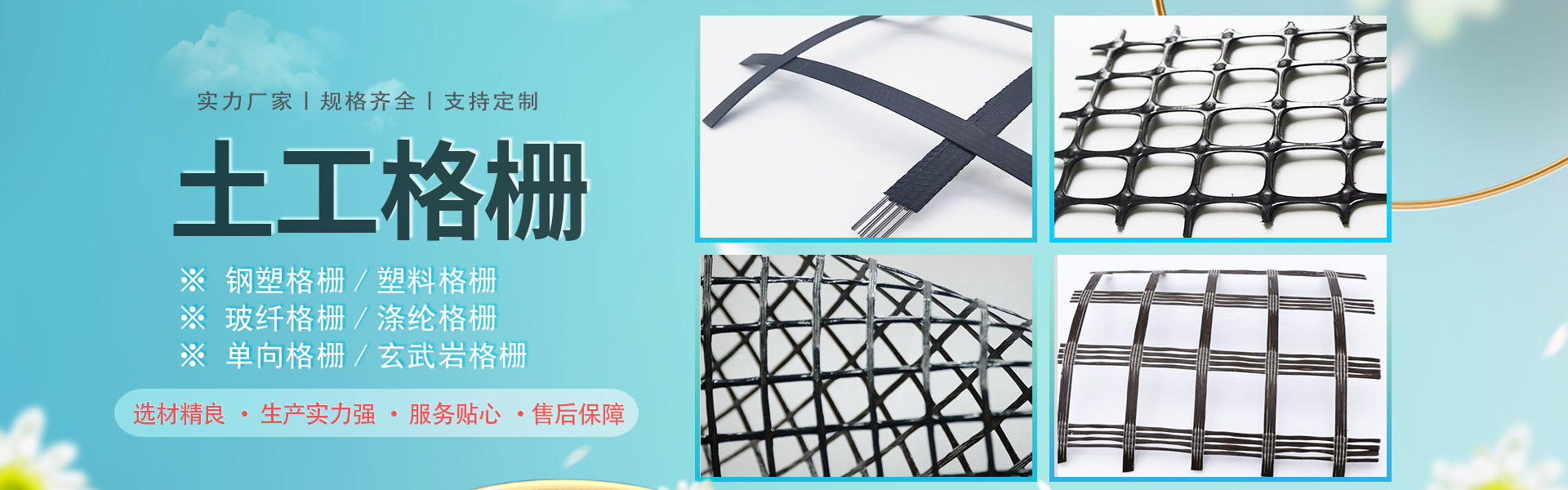


In comparison to steel and plastic geogrids, glass fiber geogrids are somewhat obscure. The reason for this is the relatively limited application of glass fiber geogrids. This is more common in highway construction. Unlike others, its range of use is quite broad, which is why its popularity is not particularly high, and this is understandable. Although not well-known, it is a necessity for highways, just as "teaching students according to their abilities" is, each has its own grand display.
Glass fiber grid applications are extremely versatile. Firstly, it significantly enhances the strength of the subgrade, reduces cracking in highways, and improves the quality of highways, ensuring no issues for 35 years. With better quality, the usage duration will undoubtedly be extended.
Compared to other geotextiles, such as plastic gratings, nets, glass fiber geotextiles, and other natural advantages, it boasts exceptional corrosion resistance, ensuring no issues with corrosion or rust. This significantly reduces maintenance costs for highways and saves on the company's operational expenses.
In recent years, as glass fiber geogrids continue to improve, they have increasingly been involved in the construction of various projects, including reinforced mines, ore processing, embankment and subgrade stabilization, wall reinforcement, and avoiding culverts, among others. Their importance has grown, and Guangxi's Gegeleid manufacturer believes they will become even more crucial. The potential of geogrids has yet to be fully tapped, and they have the potential to participate in increasingly significant construction projects. However, they are currently constrained by their own material limitations. In the future, we will see different types of glass fiber geogrids.
