


Steel and Plastic Grating Characteristics
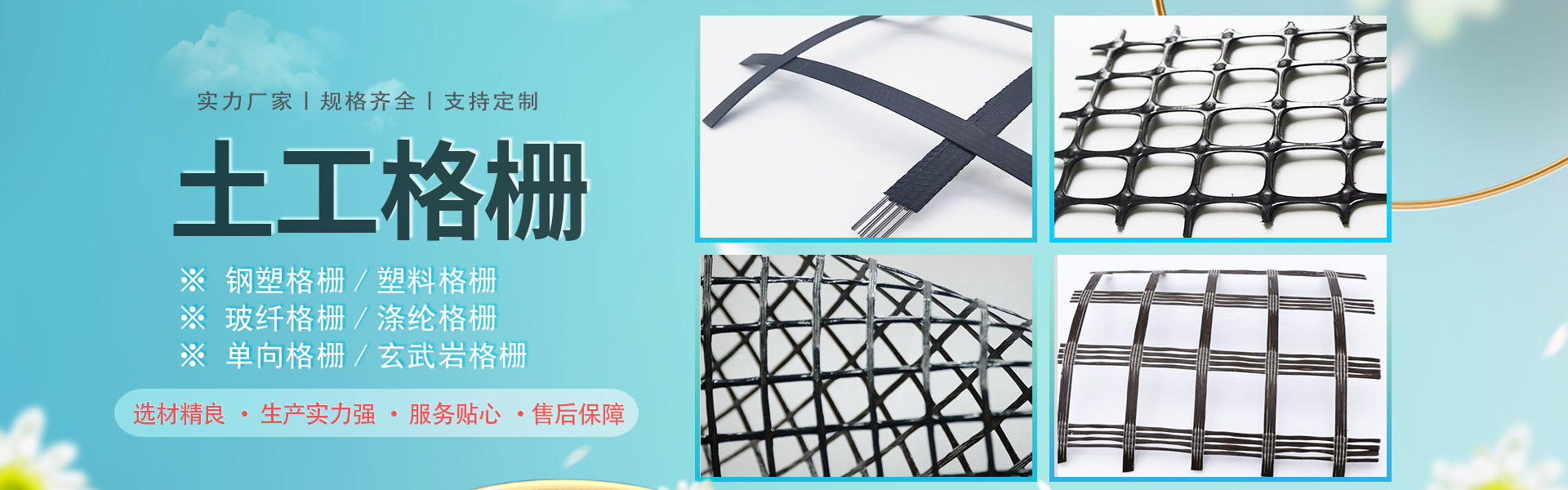
The tensile force of the steel-plastic composite grillage is carried by the high-tensile steel wires woven in a longitudinal and transverse pattern, generating tensile modulus under low strain capacity. The longitudinal and transverse ribs work协同, fully utilizing the grillage's interlocking effect on the soil mass.
2. The longitudinal and transverse ribs of the steel-plastic composite mesh are woven from steel wires, with the outer wrapping layer formed in one piece. The steel wires and the outer wrapping layer work in harmony, resulting in a low elongation rate (not exceeding 3%). The main load-bearing unit of the steel-plastic composite geogrid is the steel wire, with a low creep deformation.
3. By treating the plastic surface during the production process, we press rough textures to enhance the roughness of the grillage surface, thereby increasing the friction coefficient between the steel-plastic composite geogrid and the soil mass.
The steel-plastic composite mesh offers a width of up to 6 meters, achieving an economical reinforcing effect.
5. The high-density polyethylene used in the steel-plastic composite grate ensures that it is resistant to erosion from acids, bases, salt solutions, or oils at room temperature; it is also unaffected by water dissolution or microbial attack. Additionally, the high molecular properties of polyethylene are sufficient to withstand aging caused by ultraviolet radiation. The longitudinal and transverse ribs of the grate work synergistically under load, preventing any cracking or damage at the joints. In actual engineering projects, after the filling material is compacted, it remains unattacked by ultraviolet light and oxygen, thus fully meeting the requirements of construction projects.
News Center Co., Ltd.
