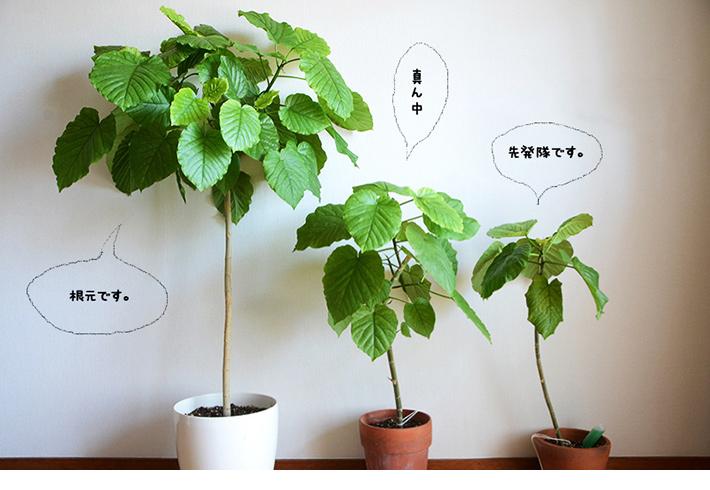




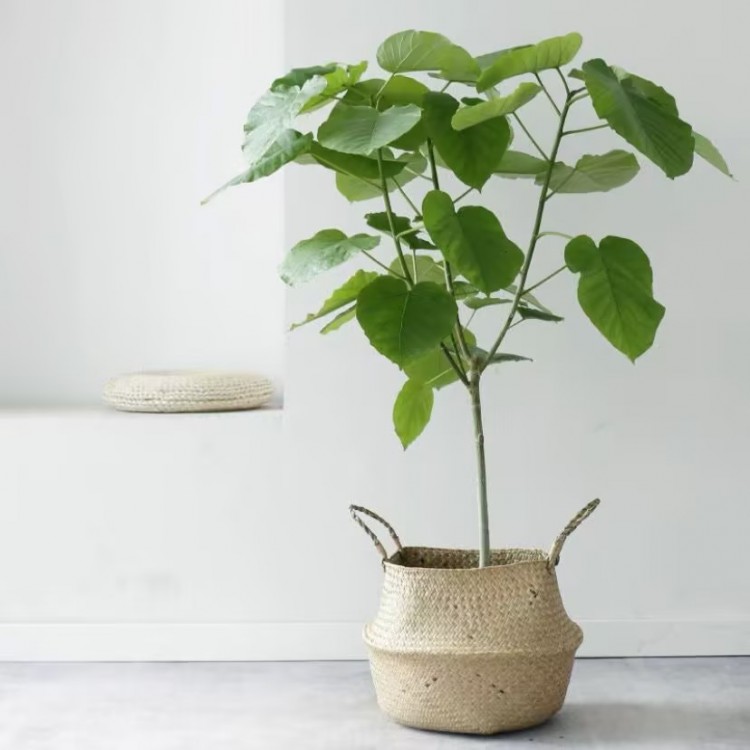

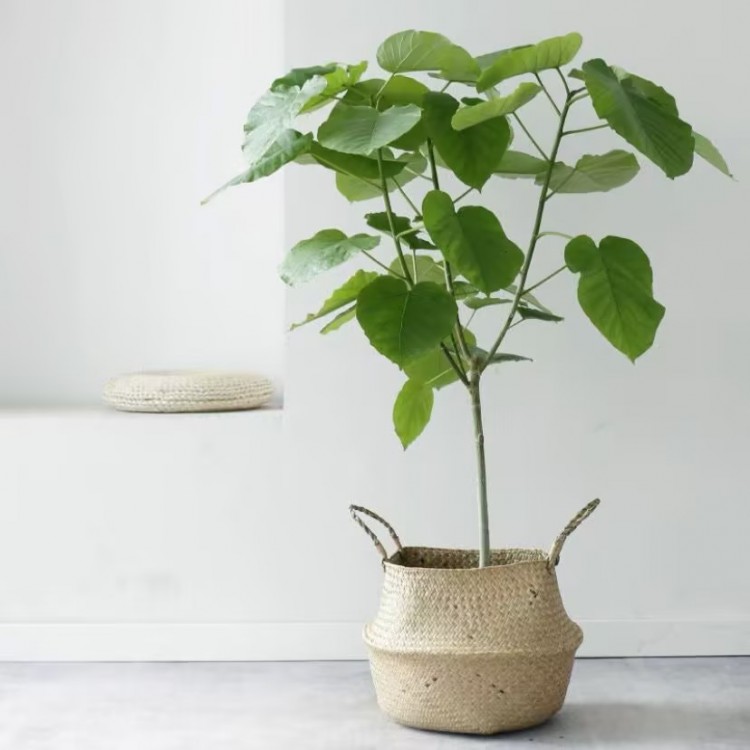
Heart-shaped Banyan, a species of Ficus in the Moraceae family, is a common evergreen indoor foliage plant. It is a tree with alternate, large, heart-shaped leaves, clear leaf veins, and a straight trunk that grows naturally. The bark is gray and smooth, and the branches have a certain elasticity, making them easy to shape. It belongs to the same genus as the Ficus lyrata, but its massive heart-shaped leaves give a soft, delicate, and bright impression compared to those of the Ficus lyrata. In recent years, it has gained popularity, especially personalized large indoor potted plants, which can reflect a fashionable style.
Plant Symbolism
Heartfelt, tenacious, vibrant, and healthy and long-lived.
Maintenance Difficulty
Care Tips
Soil Selection: Opt for loose, fertile soil rich in humus, with good drainage and moisture retention properties. The small pot Love Leaf Ficus can be repotted every 1-2 years, while the large pot Love Leaf Ficus can be repotted every 3-5 years. Repotting should be done more frequently during the spring and autumn seasons.
Temperature Requirement: Optimal growth temperature ranges from 20-35°C, with a minimum of 5°C during cold weather. Ensure adequate warmth indoors during winter.
Lighting Requirements: Foster the love tree in a sunny location, and rotate the pot approximately every two weeks to change the direction of light, preventing it from growing crooked. Ensure good air circulation but avoid direct sunlight to prevent leaf burns.
Irrigation Tips: During spring and autumn, alternate between thorough watering and letting the soil dry out. In summer, due to faster water evaporation, increase the frequency slightly and ensure adequate moisture. In winter, reduce the frequency of watering.
Fertilization Tips: During the growing season from spring to autumn, apply granular fertilizer every 2-3 months and liquid fertilizer every 2 weeks. Discontinue fertilization during winter.
Pruning Tips: When growth is rapid and branches become too long, disrupting the plant's balance, perform a proper pruning. Do so at the start of spring when new buds are emerging, either on the buds or above the leaves. The pruned areas will develop new branches, and a unique white sap will ooze from the cut. Ensure it is wiped clean.
Pests and Diseases: Lack of sunlight, poor ventilation, or overly dry conditions indoors can lead to the appearance of spider mites, scale insects, and mealybugs, especially from spring to autumn. Prevention involves regularly spraying leaves with water or wiping them with a damp cloth.