
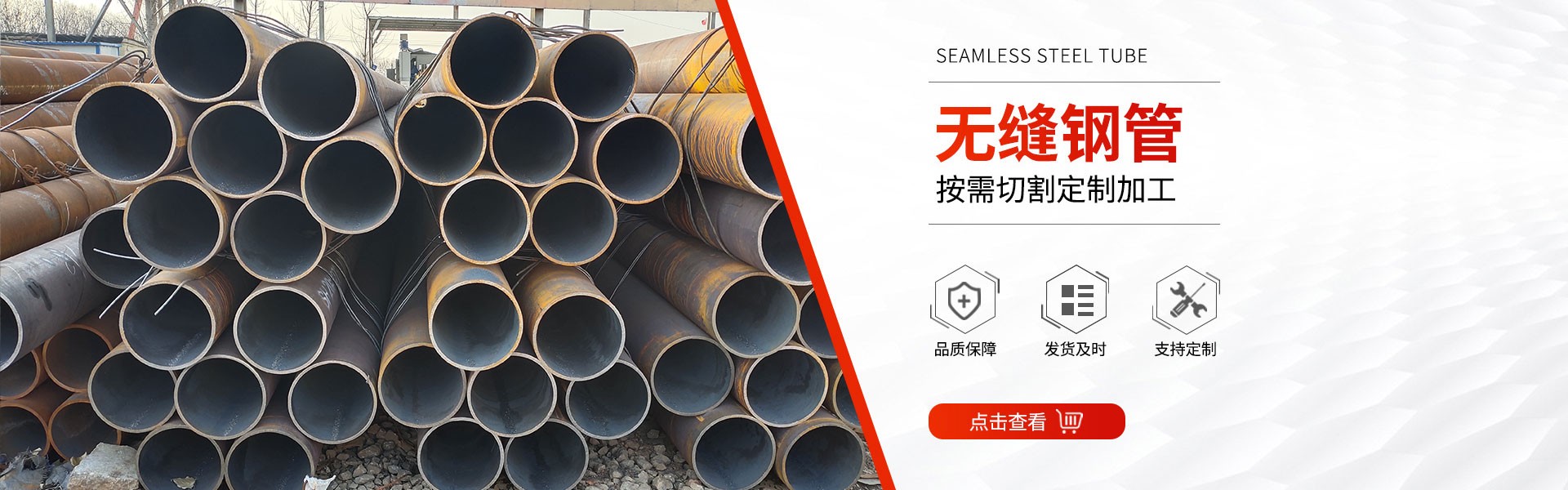

Today, most seamless steel pipes are produced using hot rolling technology: (△→→→→→→→→→→→→→→→→) Due to the high temperature, the resistance to deformation is relatively small, so steel plates are generally used to complete the finishing rolling process. During the operation, the specific thickness of the steel plate also needs to be considered. For products with lower precision requirements, there won't be issues with the plate shape. The main focus is on control, meaning temperature control is also a factor to consider.
Market demands for seamless pipes are clear in terms of quality, especially with stringent requirements for different alloy elements. Harmful elements must be strictly controlled, and potential hazards and defects post-production, such as cracks, internal and external folds, rolling breaks, delamination, scabs, and pulled dents, must also be contained within agreed-upon limits to prevent quality issues.
