




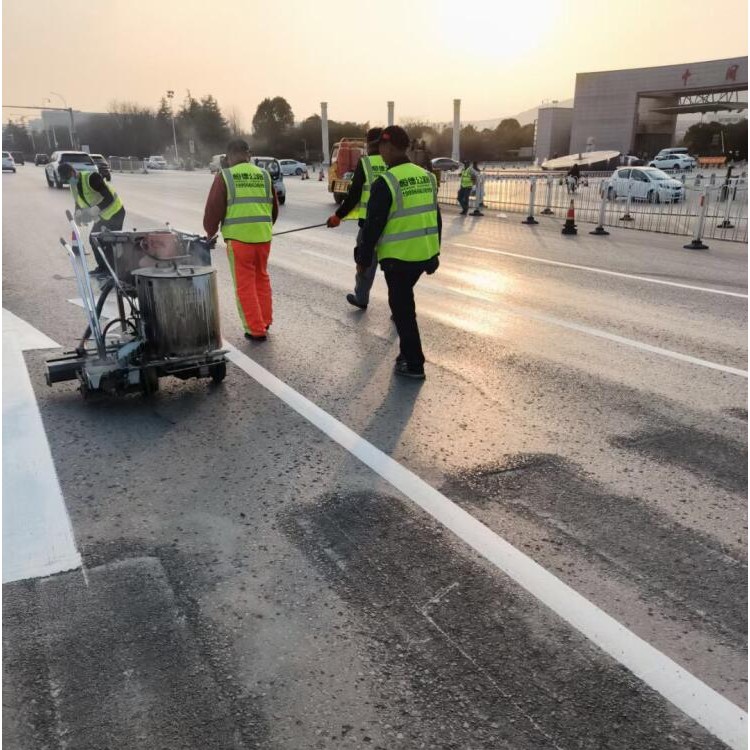

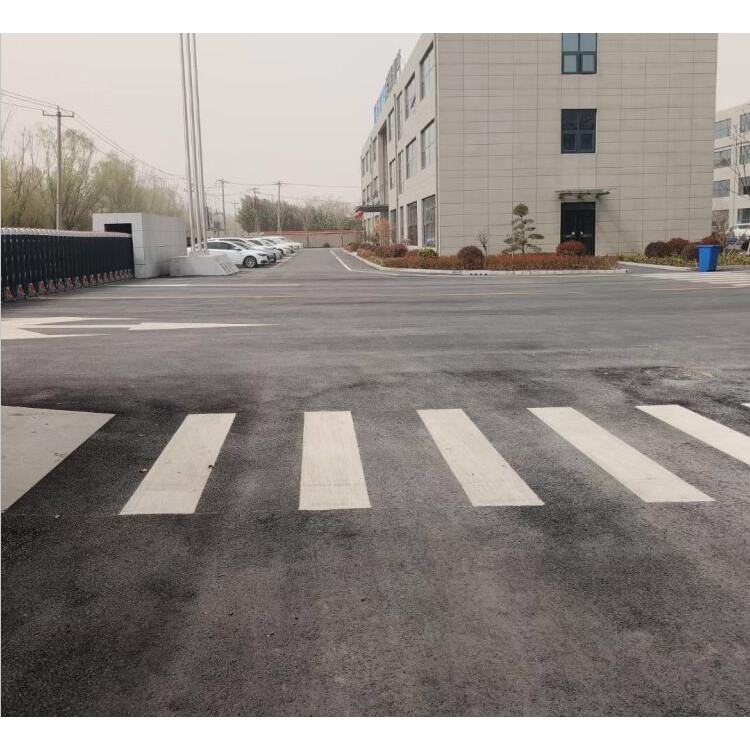
Road marking standards are established to ensure the safety and smoothness of traffic flow, guaranteeing orderly movement of vehicles and pedestrians on the road. These standards cover various elements such as the shapes, colors, sizes, and locations of traffic markings, as well as the technical requirements and operational procedures for marking. Firstly, the standards specify the shapes and colors of different types of traffic markings. For instance, the distinction between solid and dashed lines, the application of straight and curved lines, and the use of arrows and diagonals. These shape and color specifications help drivers and pedestrians accurately understand and comply with traffic rules, enhancing the safety of road traffic.
Next, the road marking standards specify the dimensions and locations of traffic line markings. For instance, the width of lane lines, the length of parking lines, and the width of pedestrian crosswalk lines, etc. These specifications for dimensions and locations help ensure the visibility and recognition of traffic line markings, allowing drivers and pedestrians to clearly identify and adhere to the instructions of the traffic line markings.
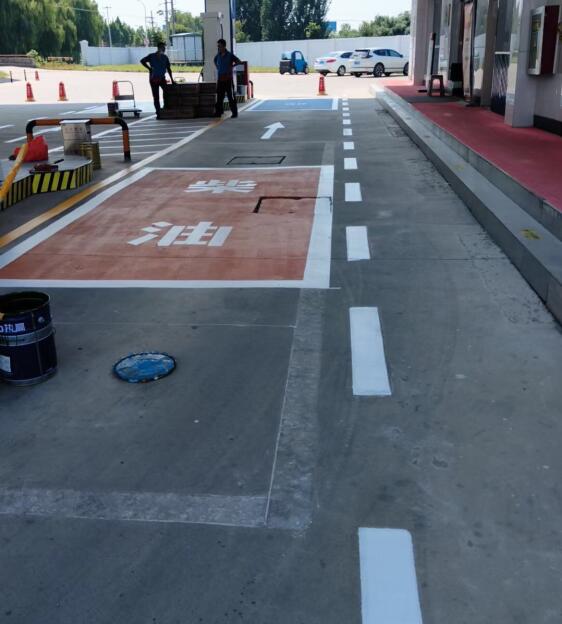
Additionally, the road marking standards also specify technical requirements and operational procedures for marking. For example, the construction methods for marking, materials and equipment used, as well as the accuracy and flatness of the markings. These technical requirements and operational procedures are set to ensure the quality and durability of the markings, enhancing the reliability and stability of road markings.
