
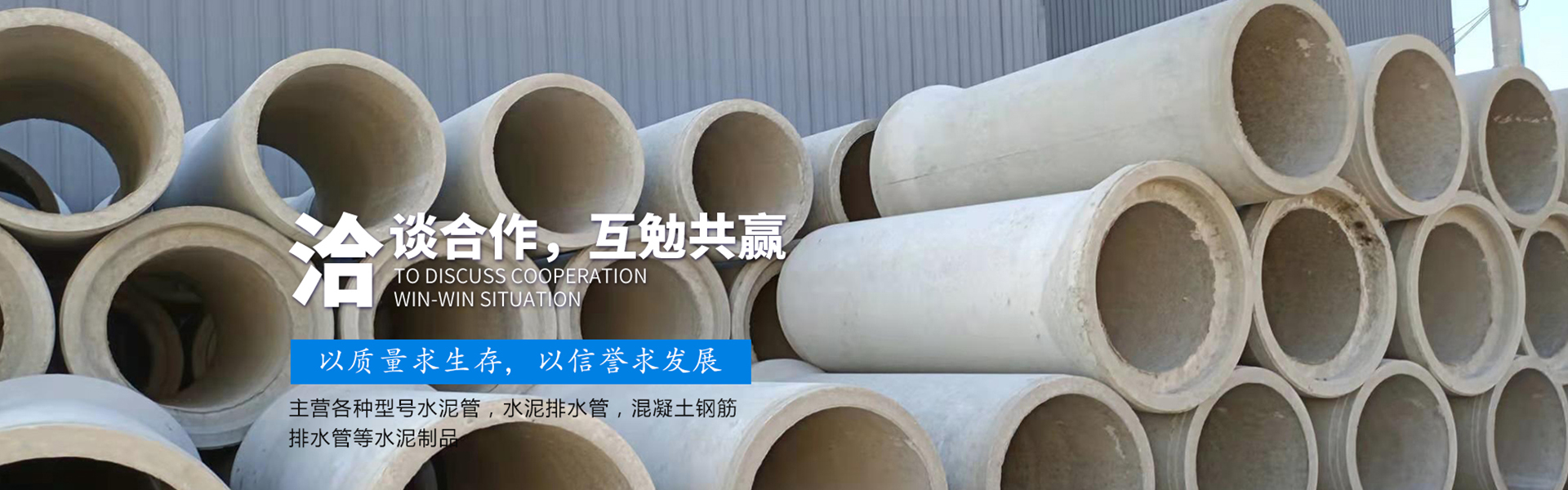
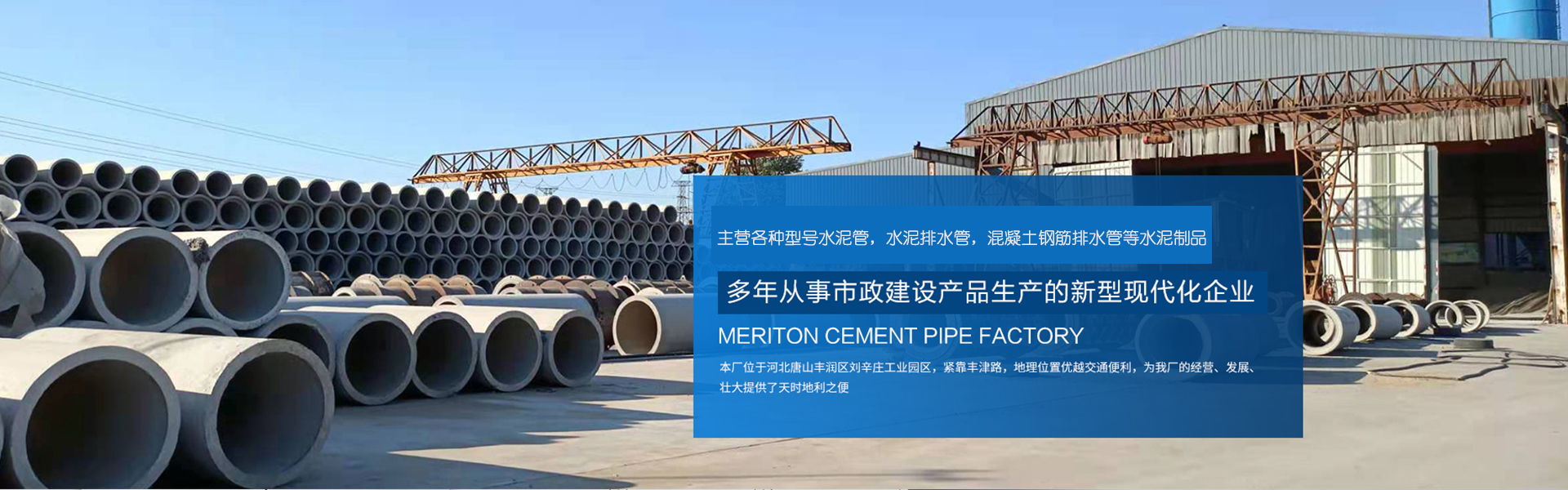
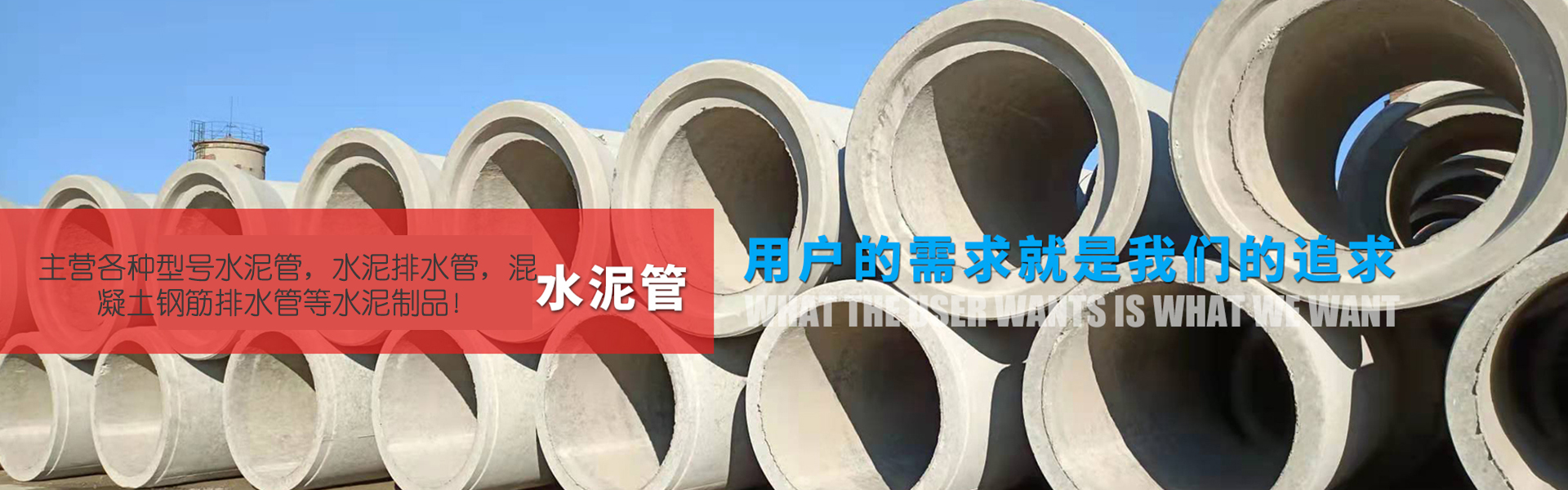


The installation slope of concrete pipes is also an issue; the height of the slope can affect the laying and subsequent use of the pipes. The concrete pipe factory explains that if the slope is not properly planned, cracks in the pipes may occur later on. These issues are often overlooked during installation.
The slope of the cement pipe installation is not specified in the installation standards, but it is determined based on the impact and compressive strength of the cement pipe material during installation. Since there is a certain correlation between the pipeline channel, flow rate, and installation slope of cement pipes, the installation slope varies depending on the material and specifications. However, there may be practical requirements for flow rate and total volume during the installation of cement pipes. Therefore, if the flow rate of the cement pipe exceeds the required volume, the installation well is used for energy dissipation.
If the flow rate of the cement pipe is less than the required rate, utilize relevant settings to enhance the fluidity of the total flow. This is likely the specific explanation provided by the cement pipe manufacturer regarding the slope issue of cement pipe installations. During installation, be cautious to ensure the slope is neither too slow nor too fast, and maintain a firm grasp. Excavation of the trench includes straight trench support and slope excavation, with straight trench support divided into transverse plate support and steel sheet pile support. Since the length of the reinforced concrete spigot pipe is 2.0 meters, attention should be given to the horizontal spacing during crossbeam support to ensure the required spacing for hoisting the spigot cement pipe.
Prior to trench excavation, well-point dewatering should be selected based on soil conditions. After trench excavation, a surface drain should be set at the bottom of the trench to prevent waterlogging. According to the condition of the trench bottom soil foundation, sand and gravel or C20 concrete can be used as the pipeline base as per the planning requirements. The width of the gravel sand base should be spread according to the trench excavation width, and watered and leveled appropriately. The thickness and width of the concrete base should be constructed as per the planning requirements, with a flat plate vibrator used to compact and smooth the concrete.
Prior to laying pipes, the elevation of the sample should be reviewed, the centerline of the pipe section and the optimal orientation determined, and the elevation for the bedding plates set. The pipe laying sequence should be from downstream to upstream, with the socket facing upstream and the spigot facing downstream. At the junction of the answer well and the pipeline, a half-section short pipe should be used. The socket should be positioned in the inflow direction of the manhole, while the spigot should be aligned with the outflow direction of the customer well.
News Center Co., Ltd.
