
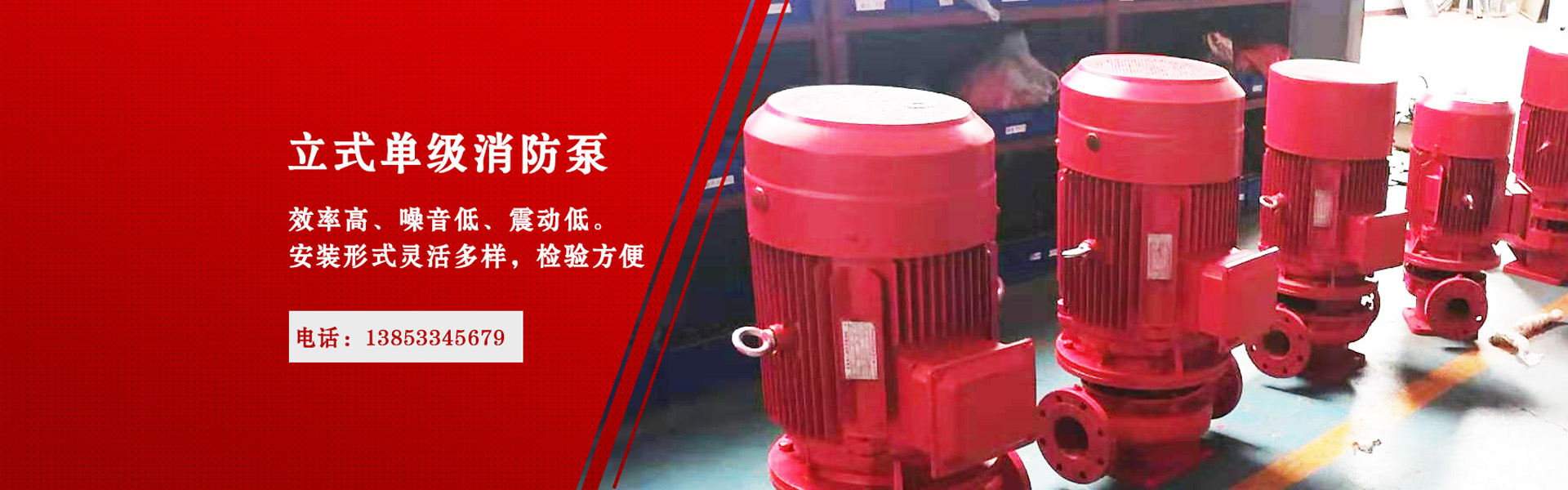



What is the anti-corrosion testing process for fire hydrant pumps? Before shipment, fire hydrant pumps undergo a surface anti-corrosion test. After the test, there should be no leakage, which should not be considered as the pump's inherent talent. The process is as follows: clean the overflow surface of the fire hydrant pump with warm water before the test. It should not leave too much mud. Do not use abrasives or solvents for cleaning.Fire Extinguisher PumpThe solution consists of distilled water with a concentration of 10 kg/m3 ± 1 kg/m3 and sodium chloride. The fire hydrant pump is filled with the solution and placed in a 35℃ soil environment and a 2℃ environment. After 8 hours, the water is drained, then the solution is left for 16 hours, and this cycle is repeated 5 times. After the test, the solution is drained from the pump, the overflow surface is cleaned with warm water, and the corrosion is carefully inspected. The fire hydrant pump housing is made of cast iron, cast aluminum, and cast copper, while other flow-through components are made of stainless steel, bronze, or aluminum alloys, which are highly resistant to corrosion, so no such test is conducted. The fire hydrant pump has been a part of modern industrial technology for some time now, and some premium products can be used long-term without a decrease in performance. However, even when not in use, the fire hydrant pump still requires some simple maintenance and repairs.

This not only extends its service life, but also ensures everything is in order when it's needed.Fire Extinguisher PumpNot often requiring cleaning, dust or other contaminants can still affect the operation of components, leading to jamming or unresponsiveness. Therefore, it is still necessary to perform a simple cleaning at intervals. However, it is important to note that excessive use of cleaning agents during the process may cause corrosion. The fire hydrant pump is an integrated unit, and if a component fails due to rust, the entire pump will be directly affected. Before installation, some new components also require maintenance, most commonly using grease, as it does not cause rust and does not damage the components, especially during the installation and use of fire hydrant pumps. Applying a thin layer of grease to the components is beneficial.
