
 Shanghai to Nanjing Less-Than-Truckload (LTL) Shipping
 Shanghai to Nanjing Freight Company
 Shanghai to Hangzhou Full Truckload Shipping
 Shanghai to Hangzhou Less-Than-Container Load (LCL) Transportation
 Shanghai-Shenzhen Direct Line
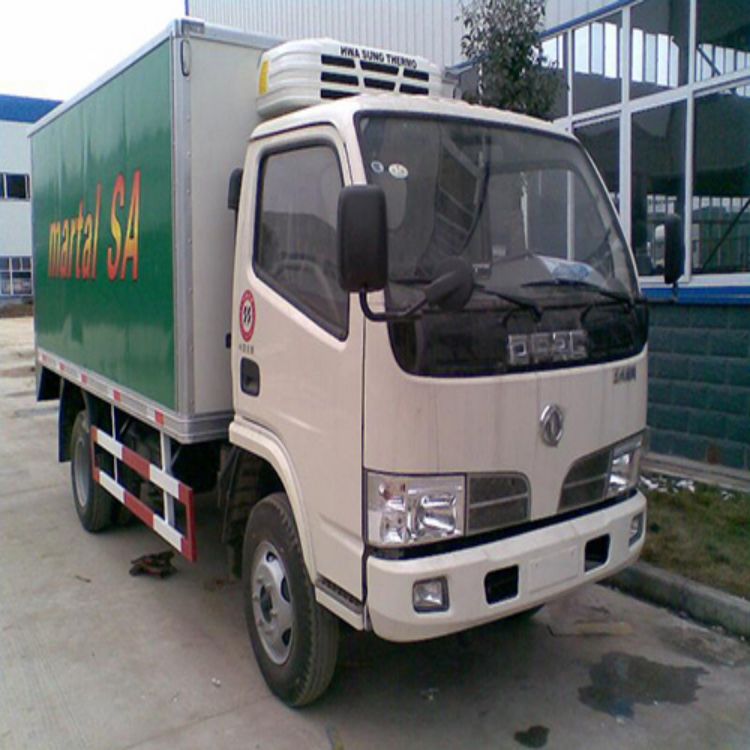 Shanghai to Zhengzhou Direct Line
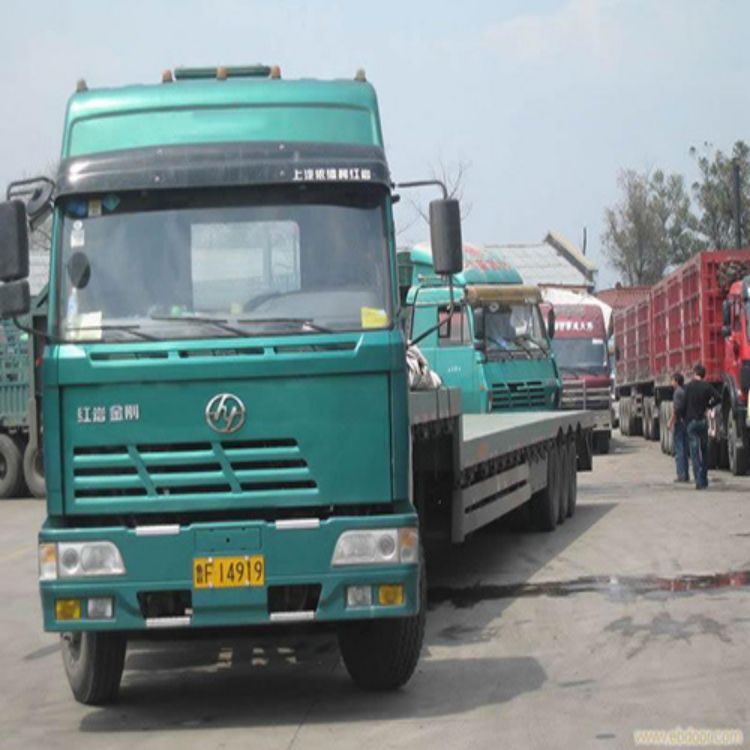 Shanghai to Changsha Direct Line
Product Details

Shanghai to Shenzhen Logistics专线 Round Trip, Shanghai to Xiamen Logistics...


产品Price Negotiable
最小起订Quantity: 供货总Quantity:


Brand |
|
Custom Full Enclosed Truck Bodies |
Fireproof, waterproof, theft-proof |
Scheduled Departure |
Direct High-Speed |
Safety |
Quick shipping |
Affordable |
Cost-effectiveness |
GPS Monitoring |
Peace of mind throughout the entire process |
A Logistics Company refers to a firm engaged in the logistics industry. Logistics involves the entire process of planning, executing, and managing the movement of raw materials, semi-finished goods, finished products, or related information from the origin of the goods to their consumption destination, all to meet customer needs at an optimal cost. Under the dual impetus of economic globalization and e-commerce, the logistics industry is rapidly transitioning from traditional to modern logistics, becoming an inevitable trend in its current development. Guided by systems engineering thinking, with information technology at its core, strengthening resource integration and optimizing the entire logistics process are the essential characteristics of modern logistics. During the 12th Five-Year Plan period, China's third industry will see a compound annual growth rate of 16%. In 2012, the service sector accounted for 44.6% of GDP, and it is expected to rise to 47% by 2015. The compound annual growth rate of the service sector over the next three years is approximately 12%. From the perspective of industrial segmentation, the growth rate of basic logistics services (warehousing and transportation) will only reach around 7%. Over the past decade, the average annual growth rate of basic logistics businesses, represented by simple warehousing and ordinary transportation, has been approximately 10%, indicating a low entry barrier, technological content, and bargaining power. Considering the gradual deepening of economic transformation and referring to the experience of developed countries, the overall logistics cost proportion in China's GDP will show a downward trend. During the "12th Five-Year Plan" period, the average annual growth of traditional warehousing, ordinary transportation services, and other basic logistics sectors will be slightly lower than the GDP growth rate, remaining at less than 7%. Logistics Company Logistics companies, also known as logistics businesses, encompass a range of companies involved in transportation, freight forwarding, warehousing, and distribution, among other logistics-related services. These companies often act as intermediaries between suppliers and retailers, performing functions such as collection, sorting, inventory management, and delivery. As such, logistics companies may also operate as wholesalers. For suppliers, they can reduce transportation and warehousing costs, allowing products to be directly stored in logistics center warehouses for shipment. There's no need to maintain a large inventory storage facility. Maintaining a large fleet for shipping and delivery is a benefit for small and medium-sized suppliers. Logistics Company, also known as Third-Party Logistics (3PL) or TPL, refers to entities that are neither the "first-party" shipper nor the "second-party" receiver. 3PLs provide specialized logistics services through collaborations with either the first or second party, without owning the goods or engaging in their sale. They offer clients a suite of logistics brokerage services that are contractually bound, alliance-based, standardized, customized, and information-driven. Common 3PL services include logistics system design, EDI capabilities, reporting management, cargo consolidation, carrier selection, freight forwarding, customs brokerage, information management, warehousing, consulting, freight payment, and freight negotiation. As these services are typically provided through logistics service contracts with businesses for a specified duration, some refer to logistics companies as "contractual logistics" or "contract logistics."ntract Logistics)”。 Logistics Company's New Trend: Freight logistics has now become a major industry in our country, forming a vast industrial chain that marks the times. The logistics industry's annual development reaches new heights each year, with trends becoming increasingly evident: 1. Professionalization trend 2. Scale and corporate trends 3. Diversification Trend 4. Internationalization Trend

Phone Consultation