
 Shanghai to Nanjing Less-Than-Truckload (LTL) Shipping
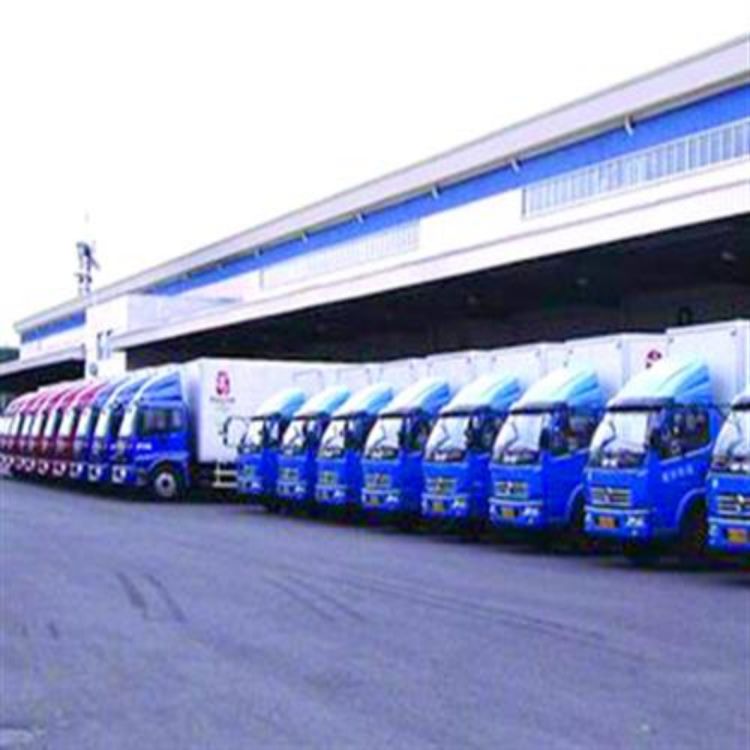 Shanghai to Nanjing Freight Company
 Shanghai to Hangzhou Full Truckload Shipping
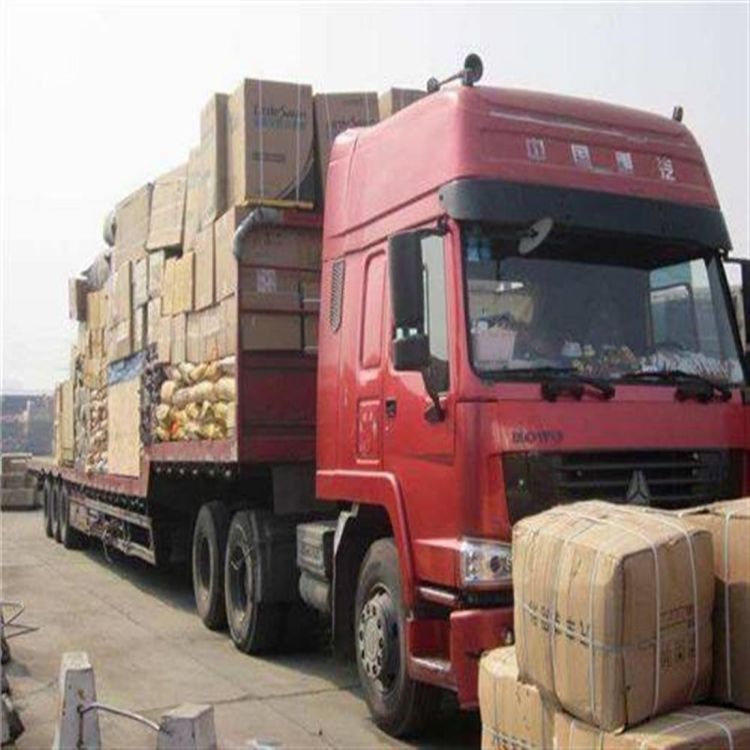 Shanghai to Hangzhou Less-Than-Container Load (LCL) Transportation
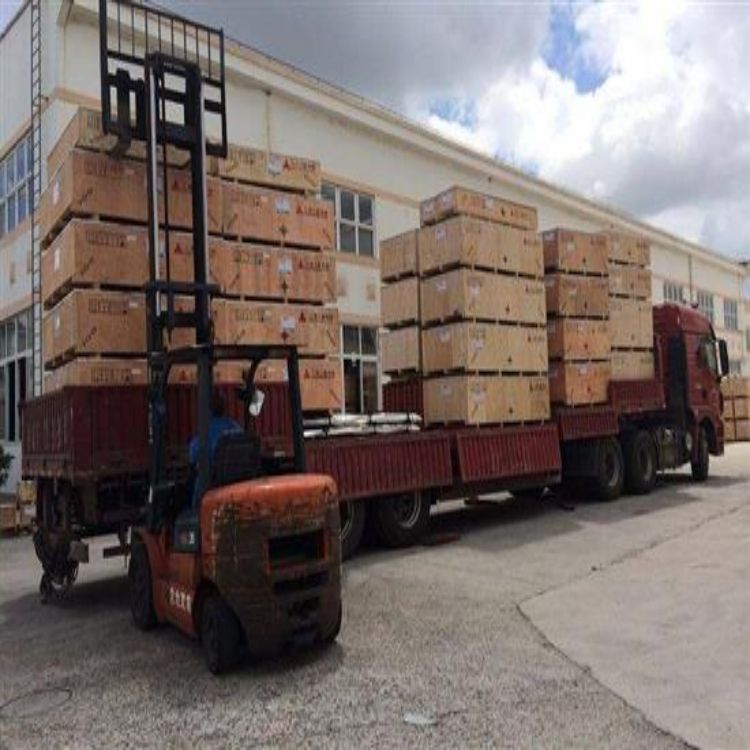 Shanghai-Shenzhen Direct Line
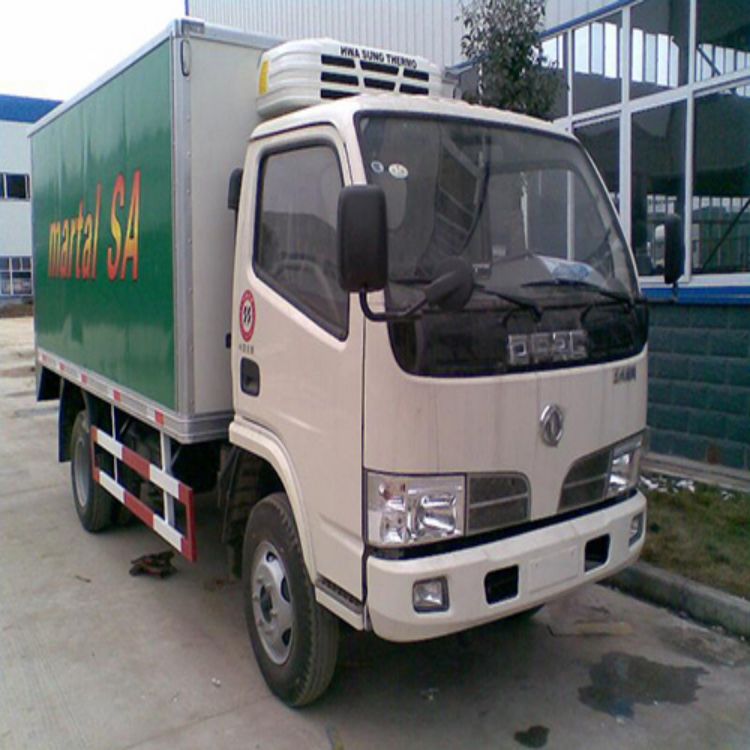 Shanghai to Zhengzhou Direct Line
 Shanghai to Changsha Direct Line
Product Details

Shanghai to Shenzhen Logistics专线 Round Trip, Shanghai to Xiamen Logistics...




产品Price Negotiable
最小起订Quantity: 供货总Quantity:


Brand |
|
Custom Full Enclosed Trailers |
Fireproof, waterproof, theft-proof |
Scheduled Departure |
Direct High-Speed |
Safety |
Quick delivery |
Affordable |
Cost-effectiveness |
GPS Monitoring |
Worry-free throughout the entire process |
Transportation first gained attention as the "third source of profit," where the third source of profit refers to the profit sources of a company. The profit sources come from the increase in sales revenue, and the profit sources are the reduction in production costs (for manufacturers) or procurement costs (for distributors). The profit derived from cost reduction then becomes the third source of profit for the company. [1] Here, transportation is defined as the distribution and allocation of goods, including a series of processes such as loading, unloading, transportation, warehousing, and handling for manufacturers and distributors. The emphasis on freight transportation is elevated to the level of cost reduction and profit increase, marking a turning point in the definition of freight transportation. Freight companies typically primarily use sea, land, and air transportation methods. Freight Documents To ensure the safe handover of import and export goods, various documents must be prepared throughout the transportation process. Each document serves a specific purpose and is interdependent with others. They not only link the ship, port, and cargo parties together but also clarify each party's rights and business. Introduce some of the main shipping documents according to actual business procedures. Booking Note The shipping order, also known as the "loading paper," is a document filled out by the shipper based on the trade contract and terms of the letter of credit. It is used to arrange for the shipment of goods with the carrier or its agent. After considering the shipping order's content, along with the ship's route, ports of call, sailing schedule, and available cargo space, the carrier will accept the shipment if deemed appropriate. Shipping Order The shipping order is a document issued by the shipping company that has accepted the shipper's application for shipment, to the shipper, which authorizes the captain to load the cargo onto the vessel. The shipping order serves both as a basis for loading and as one of the primary documents that the cargo owner uses to complete export customs declarations. Therefore, the shipping order is also known as the "customs document." For the shipper, the shipping order is proof that the cargo has been properly dispatched. For the shipping company or its agent, the shipping order is the instruction document notifying the ship to accept the shipment of this batch of goods. Material Acceptance Ticket (MAT) The Mate's Receipt, also known as the receipt for goods received, is a document that serves as proof that the ship has received the cargo and that the cargo has been loaded onto the vessel. The Chief Mate, based on the dates, quantities, and holds noted by the tally clerk on the tally sheet, and after verifying them against the bill of lading, signs the Mate's Receipt. The shipper, upon obtaining the Mate's Receipt signed by the Chief Mate, exchanges it for a shipped bill of lading with the carrier or their agent. Due to the main items of the aforementioned three documents being essentially the same, some major Chinese ports combine the Bill of Lading, Mate's Receipt, Receipt of Goods, and Freight Advice Notice into one document consisting of up to nine copies. The purpose of each copy is as follows: The first copy is retained by the shipper for record-keeping and to prepare shipping documents. The third copy is the freight advice copy, with one copy kept on file and the other accompanying the invoice for collection of freight from the shipper. The fourth copy, the Mate's Receipt, must be stamped by customs before the ship can receive and load the cargo. The fifth copy is the Receipt of Goods, and the sixth copy is kept by the stowage person. The seventh and eighth copies are the stowage return copies. The ninth copy is the application for the port service fee for export goods. After the cargo is loaded onto the ship, the port uses this to collect various port charges from the shipper.

Phone Consultation