

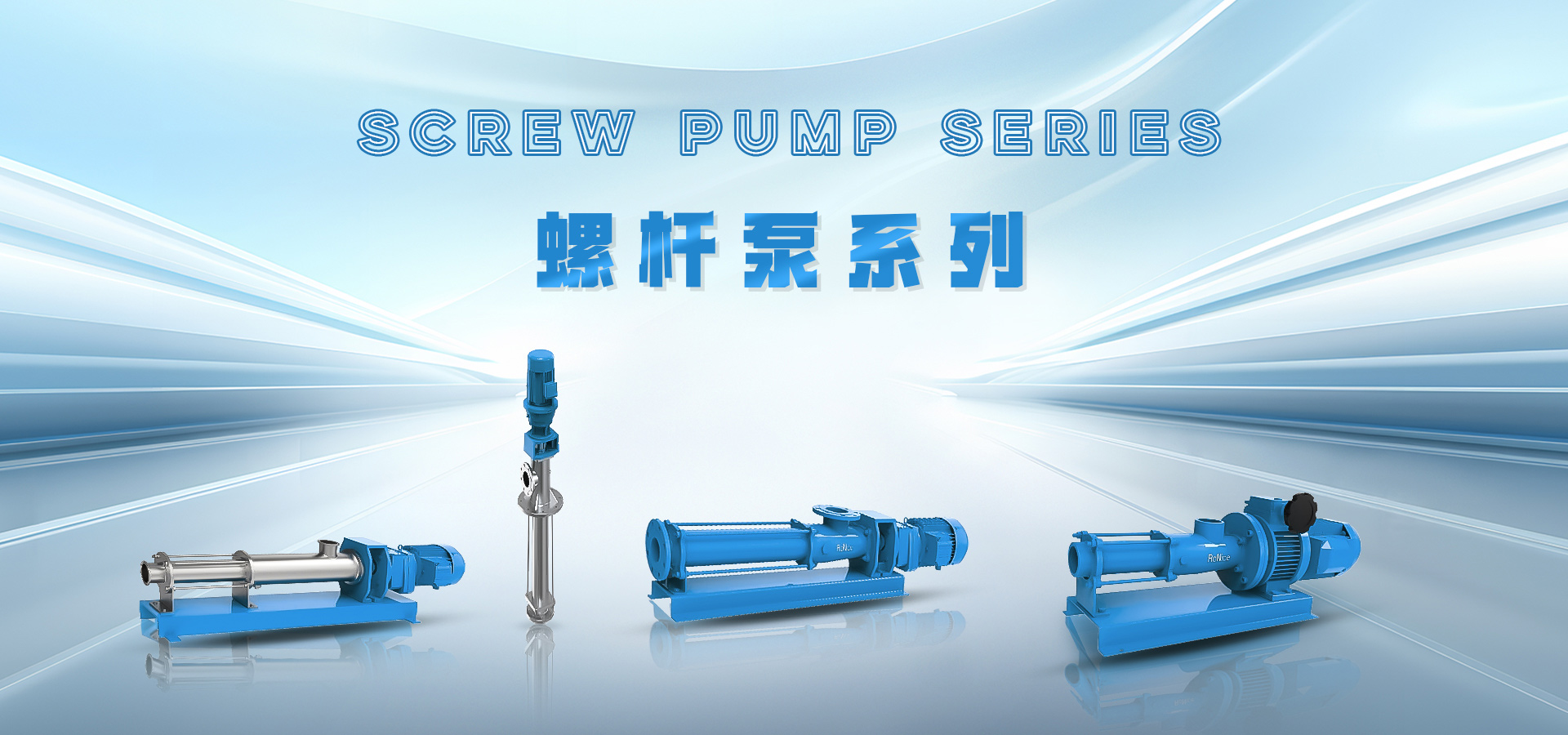
Screw pumps, as a commonly used fluid transportation equipment, are widely applied in various fields. However, during operation, they may occasionally overheat, which not only affects the pump's normal operation but also poses potential safety risks. This article aims to address the causes of screw pump overheating and proposes some reference directions.
1.We aim to understand the working principle of screw pumps.
A screw pump is a pump that transfers liquids through the rotational movement of a screw. It primarily consists of a screw, pump housing, bearings, and seals. As the screw rotates within the pump housing, the liquid is drawn in and ejected along with the rotation. During this process, the screw pump generates a significant amount of heat.
2.What are the reasons for a screw pump overheating?
1) Mechanical FrictionInternal friction between parts of the screw pump is one of the main causes of heat generation. Extended operation can lead to wear of components such as bearings and seals, thereby increasing friction and producing a large amount of heat. Additionally, foreign objects entering the pump can cause mechanical friction, leading to a rise in temperature.
2) Fluid FrictionWhen transporting highly viscous fluids, friction between the fluid and the pump inner wall generates a significant amount of heat, causing the pump body temperature to rise. The higher the fluid's viscosity, the more heat is produced by the friction.
3) Lack of lubrication and coolingScrew pumps require proper lubrication and cooling systems to maintain optimal operation. Insufficient lubricant supply or a malfunctioning coolant circulation can lead to inadequate heat dissipation, causing the pump housing to overheat.
4) Motor failureIf the drive motor of a screw pump malfunctions, such as due to short-circuited windings or damaged bearings, it can cause the motor to overheat, leading to the entire pump system overheating.
5) Media InquiryIf the conveying medium contains impurities or corrosive substances, it can cause damage to the internal components of the pump and lead to localized high temperatures. Additionally, the high temperature of the medium can also raise the temperature of the pump body.
3.How do we address the issue of screw pump overheating?
1) Regular maintenance and inspections are conducted. The screw pump is regularly maintained and inspected to ensure all components are intact and the lubrication and cooling systems are operating smoothly. Worn-out parts are replaced promptly to avoid excessive heat generation due to mechanical friction.
2) Select the appropriate lubricant and coolant. Choose the right lubricant and coolant based on the screw pump's operating conditions to ensure adequate lubrication and cooling during operation. Additionally, regularly check the supply of lubricant and coolant to ensure they are sufficient and there are no leaks.
