

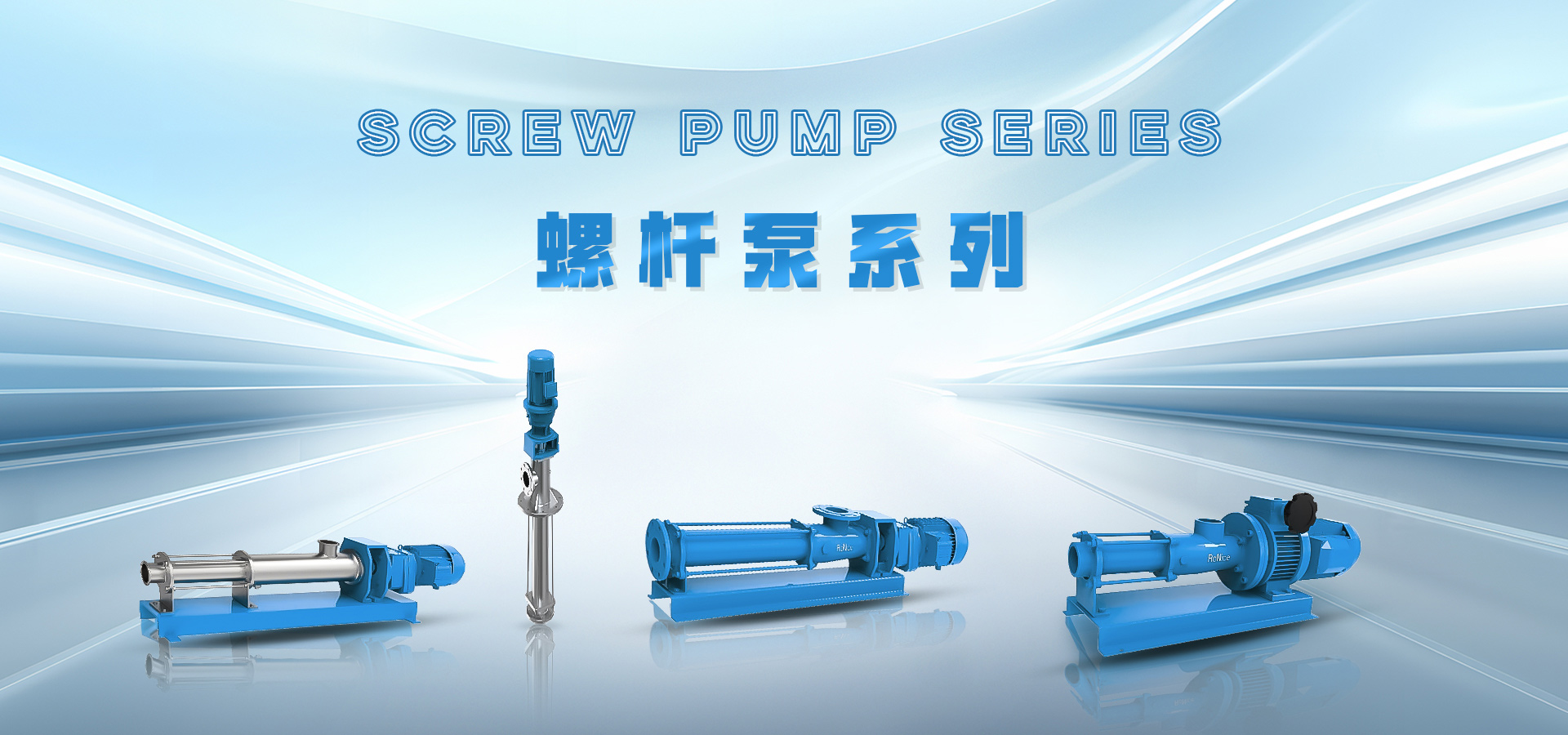
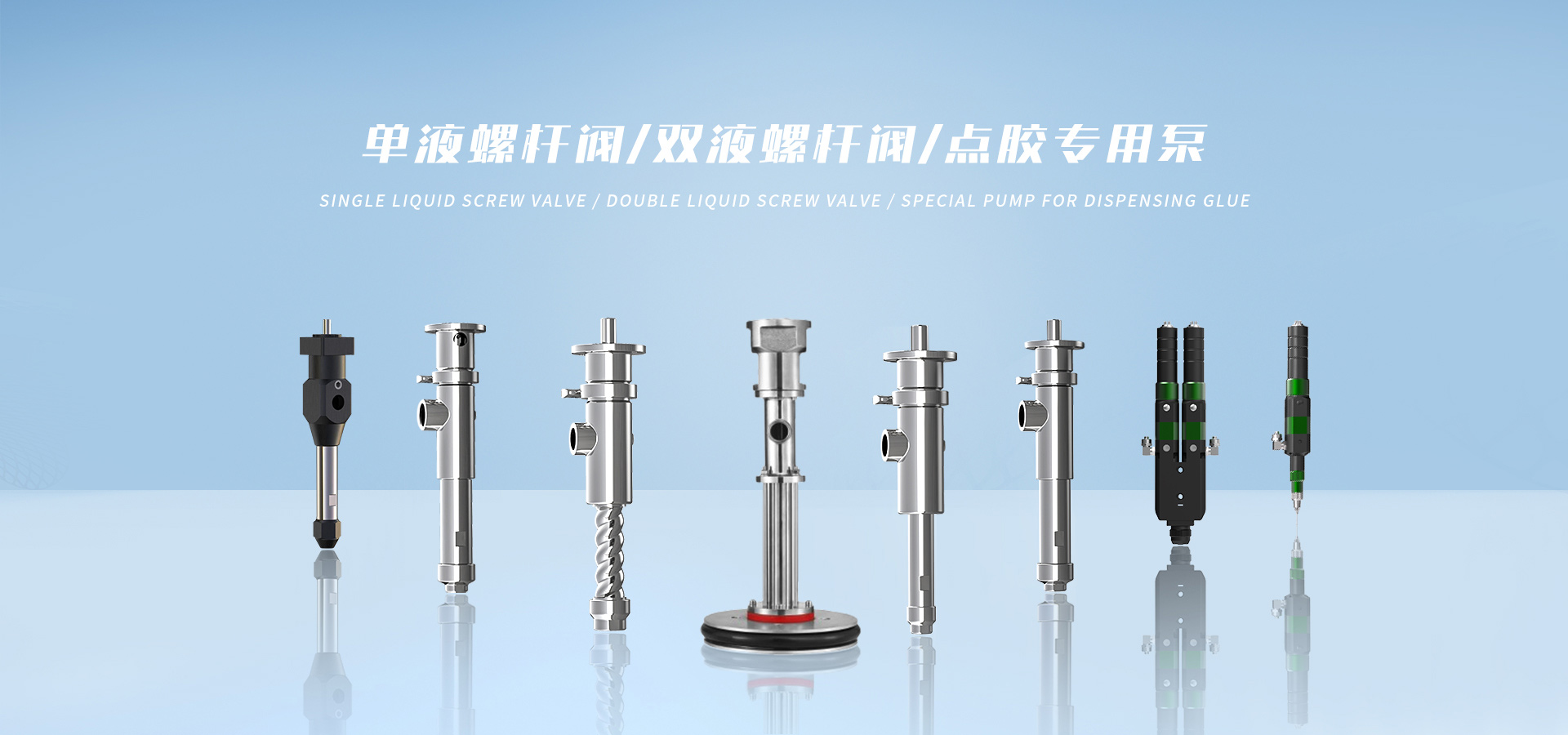
Screw PumpThe structural design of fluid conveyance equipment, widely applied in various industrial fields, is of great importance.
1.The main structure of the screw pump
Stator: The stator housing is available in cast steel and stainless steel options, with nitrile rubber used for the internal rubber material.NBRHydrogenated Nitrile RubberHNBREPDM rubberEPDM)、 Fluorinated RubberFKM) and more.
Rotor: Rotors come in two types—hollow and solid—and are available in various specifications such as single-head, double-head, and multi-head. The material of the rotor includes hardened alloy steel.304Coating,316Coatings, duplex stainless steel, etc.
Coupling shaft: The coupling shaft serves as the connecting component between the rotor and the drive shaft, featuring alloy bushes at both ends to enhance wear resistance and extend the pump's service life. It also offers a variety of types and materials for selection.
The Drive Shaft: The drive shaft connects the output section of the reducer motor and is inserted into the reducer shaft, bearing the entire operating load. It is available in various materials.
Seal Assemblies: These components are primarily designed to support the screw and maintain the stability of its rotational movement, while also preventing the leakage of the transported fluid. The selection and design of materials for these components must thoroughly consider wear resistance and corrosion resistance.
Reduced-speed motors: Available in GermanyNORD、SEWOr domestic well-known brands.
2.Key Structural Design Points
Optimized Rotor Shape: To meet actual needs, select the appropriate rotor shape to enhance the pump's efficiency. For instance, for more viscous mediums, opt for a larger pitch and a shallower spiral angle.
The clearance between the stator and rotor significantly affects pump performance. Excessive clearance leads to increased leakage, while insufficient clearance may cause overheating and wear. Therefore, precise machining and measurement are required to ensure the appropriate clearance.
Material Selection: Choose appropriate materials based on the characteristics of the medium being conveyed and the operating conditions to ensure the reliability and lifespan of the pump. For instance, in high-temperature or highly corrosive environments, materials that can withstand high temperatures or corrosion may be required.
