

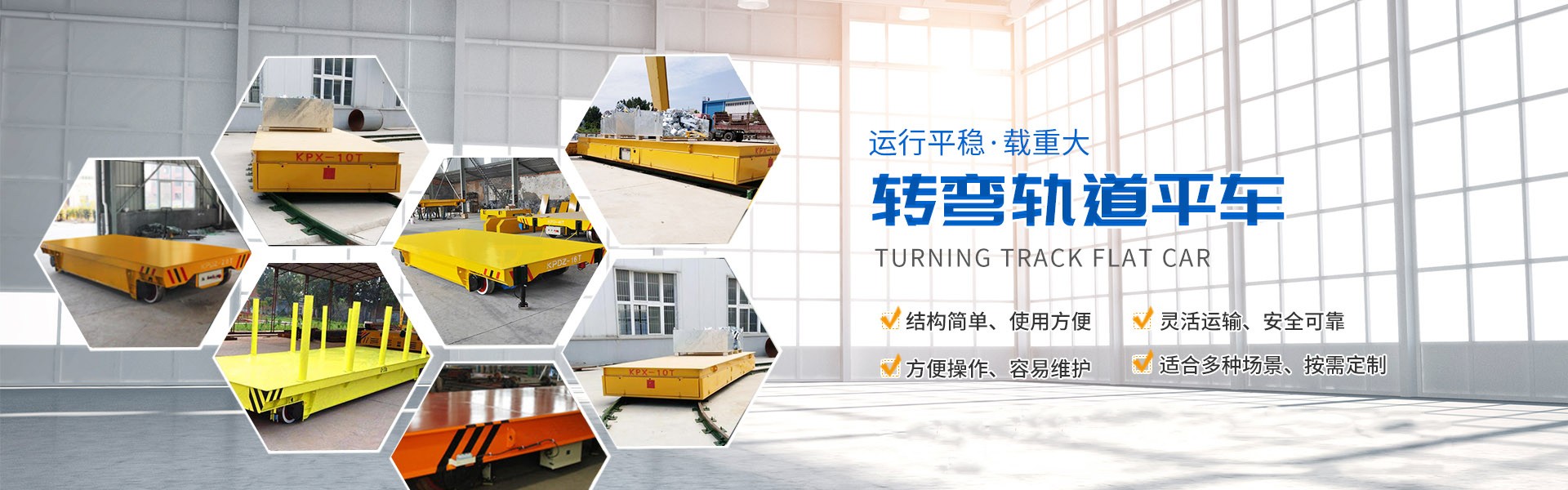


Trolley Tractor Wheel Bearing Failure: Replace the wheel bearings of the electric trolley. No specified work schedule: Operate the electric trolley strictly according to the specified work schedule. Overloading: Overloading can cause the electric trolley to overheat, and long-term overloading may destroy the trolley. The load on the trolley must be within the specified weight range.
Motor Fault: Immediate shutdown and inspection of the motor is required to check for single-phase operation, or bearing damage, incorrect output shaft center, and "sweeping" issues. These can cause abnormal noises in the motor, with different faults producing noises at various locations, intensities, and pitches. During single-phase operation, the entire motor emits a regular, pulsating "hum"; whereas, when the bearing is damaged, a "hum" accompanied by "clunk-clunk" sounds near the bearing; and when the output shaft center is incorrect, or the motor slightly sweeps, the motor emits a "hum" along with occasional sharp, piercing noises. In summary, noise variations should be analyzed to identify faults, perform itemized inspections, and restore the motor to normal performance. Use of the electric trolley is prohibited if motor faults remain unresolved.
Regularly inspect the wheel bearings of the flatbed electric trolleys during use. Operate according to the vehicle's working schedule, avoid overloading, and use the electric flat trolley within its operational range to better reduce damage to the trolley.
