
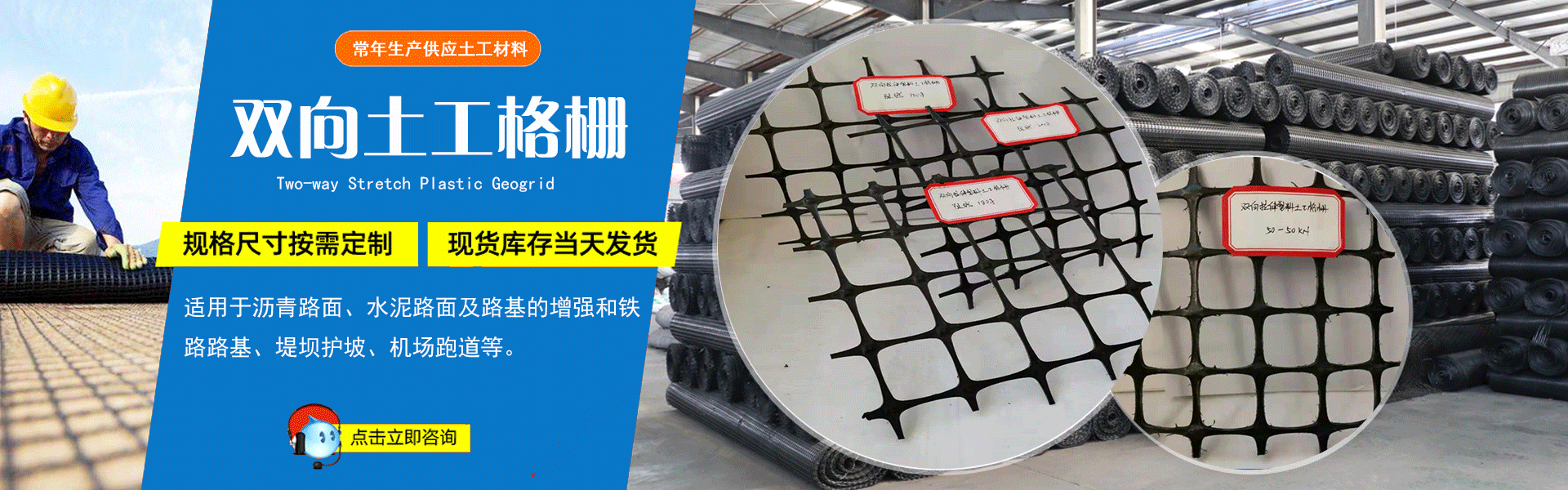
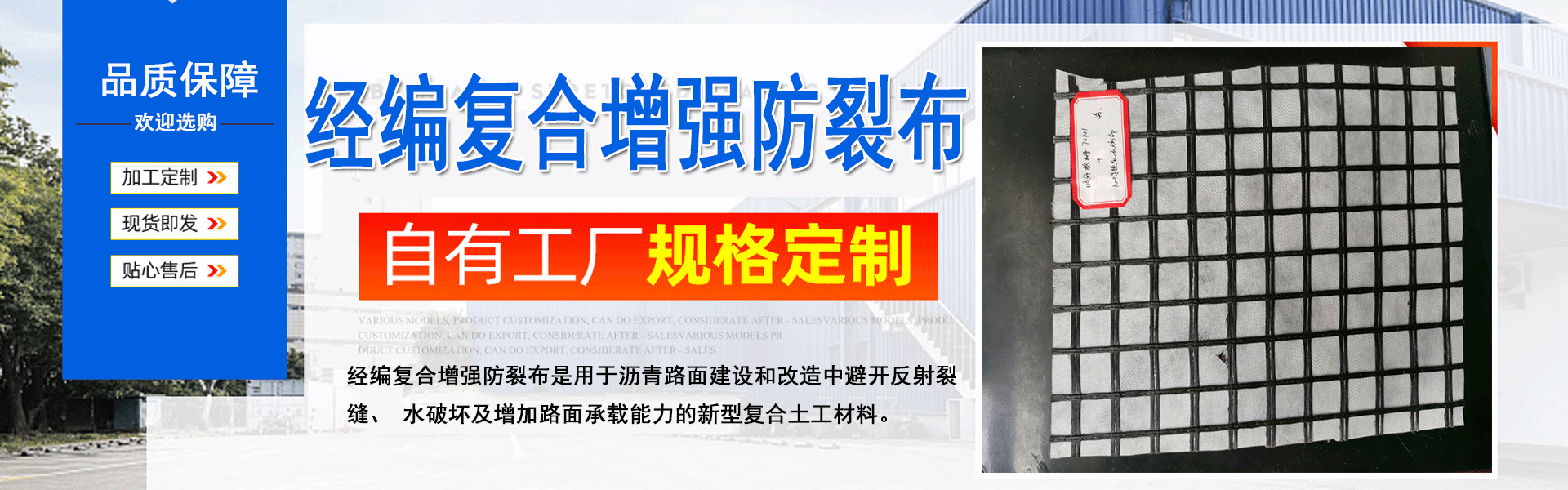
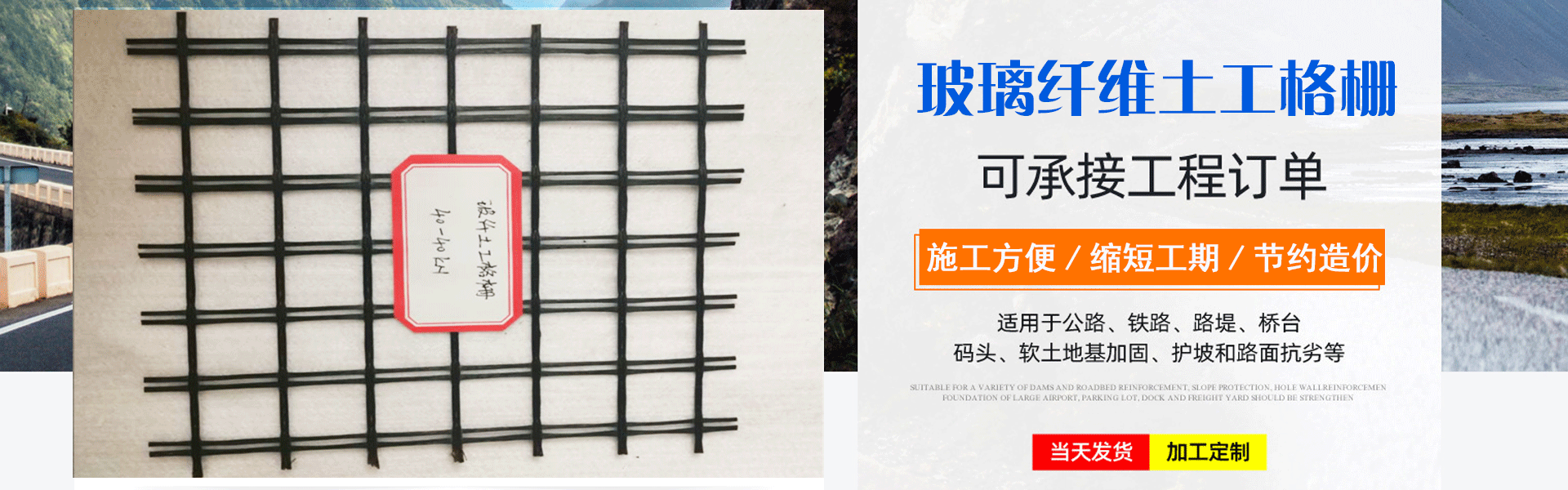

The inspection items for geogrids used in subgrade construction are as follows:
1. Prepare the site for leveling
A 1250px thick layer of sandstone gravel or sand and gravel should be laid on the ground surface, ensuring it is compacted. This improves the frictional resistance between the soil and the grate, as well as aids in foundation drainage and consolidation.
2. Lay geotextile grids along the subgrade at the designated positions. When laying the grids, pay attention to the connections between the grids and ensure they are straight and smooth. The longitudinal and transverse joints of the grids can be stitched together using nylon rope or polyester thread, or connected with U-shaped nails to form an integrated structure. The overlapping width between the grids should be no less than 500px, and the strength at the connection points in the direction of force must not be lower than the material's designed tensile strength.
3. Next up, the soil will be filled in.
After laying the grid, the filling material must be filled within 48 hours. Each layer of filling should start from both sides before reaching the center, strictly prohibiting filling the embankment's center first. The filling material should not be unloaded directly onto the geotextile grid but must be placed on the already spread soil surface, with the unloading height not exceeding 1 meter.
Fill material on both sides of the geogrid and within 8cm of the grid layer must not exceed 6cm in particle size.
