
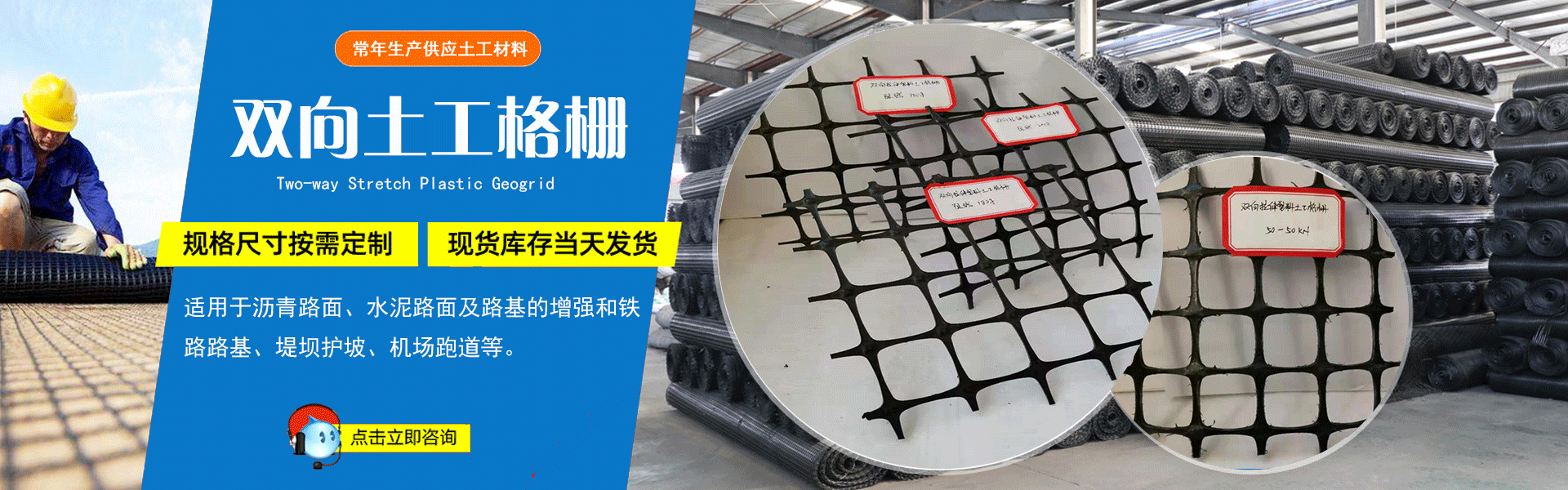
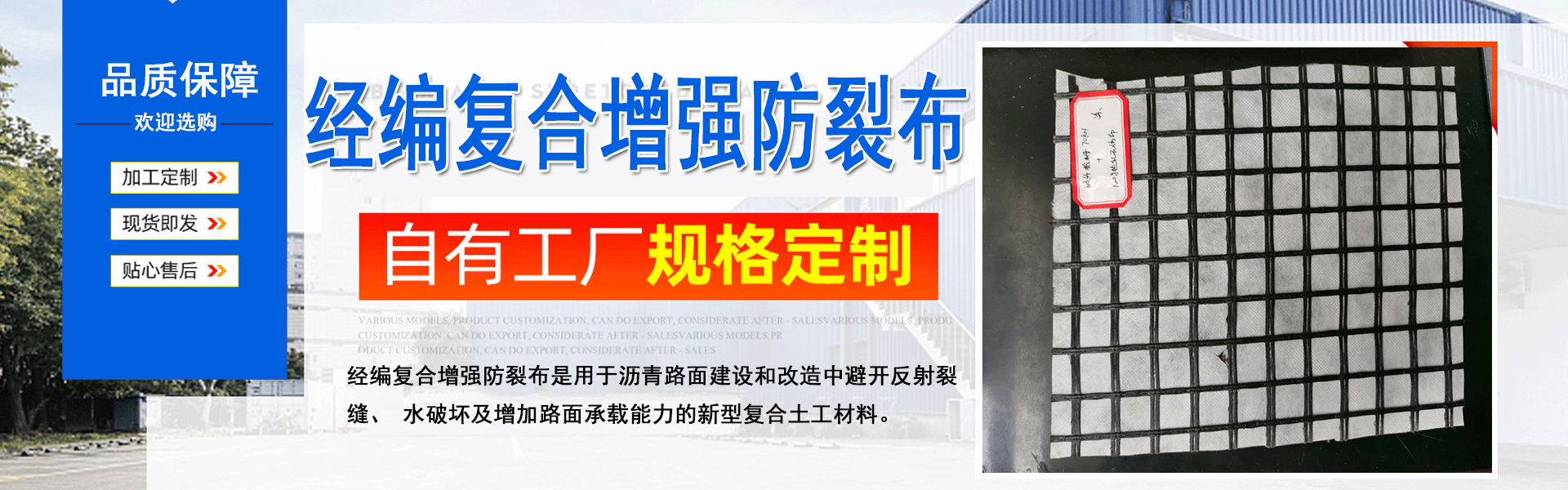

Geotextile格栅 is a widely used geosynthetic material in our daily projects, and its development mirrors the journey of geotextile manufacturers, filled with challenges and highlights. In recent years, the application of biaxially oriented plastic geotextile格栅 in road engineering has expanded significantly. It serves various functions in different scenarios, such as isolation, waterproofing, reinforcement, filtration drainage, and protection, among others. We believe that the future of geotextile格栅 in highway and urban road construction projects will be even more promising.
Geotextile grids have advantages over steel in terms of corrosion resistance and chemical resistance, but they are prone to aging under UV radiation and are limited by temperature (-50℃ to +80℃). Therefore, adding a suitable amount of carbon black to the manufacturing materials of geotextile grids can enhance their weather resistance; and surface protection measures such as backfilling or using plants should be adopted in engineering applications to improve the anti-aging performance of geotextile grids.
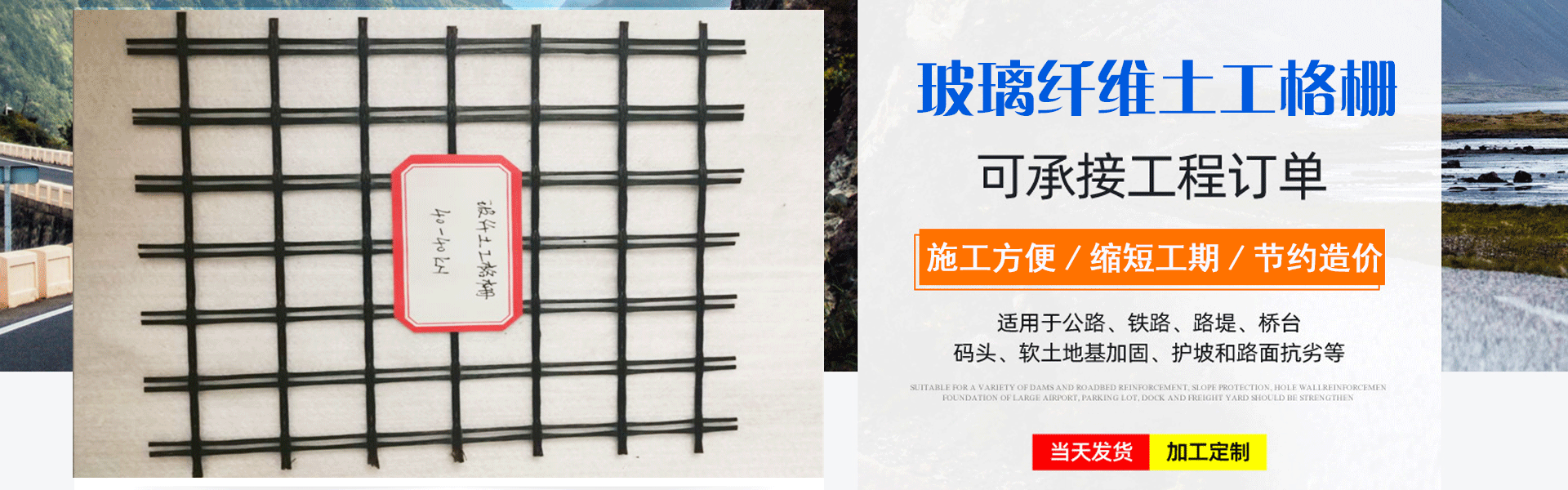
When selecting glass fiber geogrids, in addition to meeting the performance criteria listed in the table, it is particularly important to ensure that the width is not less than 1.5 meters to provide sufficient cross-sectional area for effective dispersion of crack energy when used as a reflective crack interlayer control. Furthermore, the mesh size should ideally be 0.5 to 1.0 times the maximum particle size of the asphalt surface material, which aids in achieving shear adhesion and promoting aggregate interlocking and restraint.
