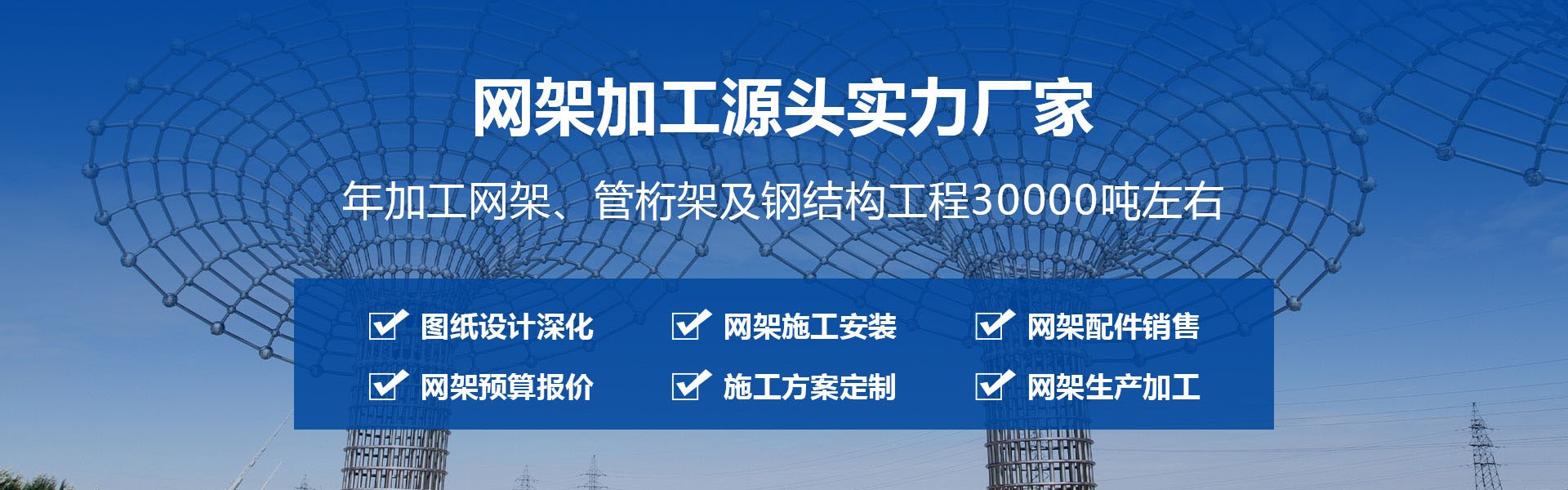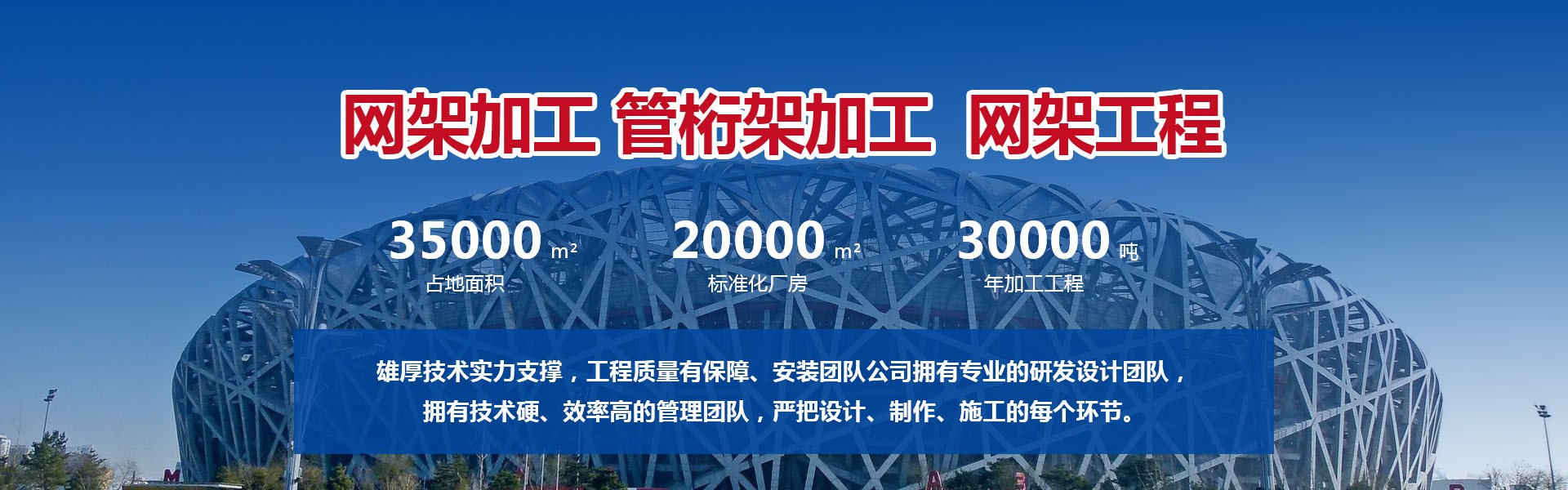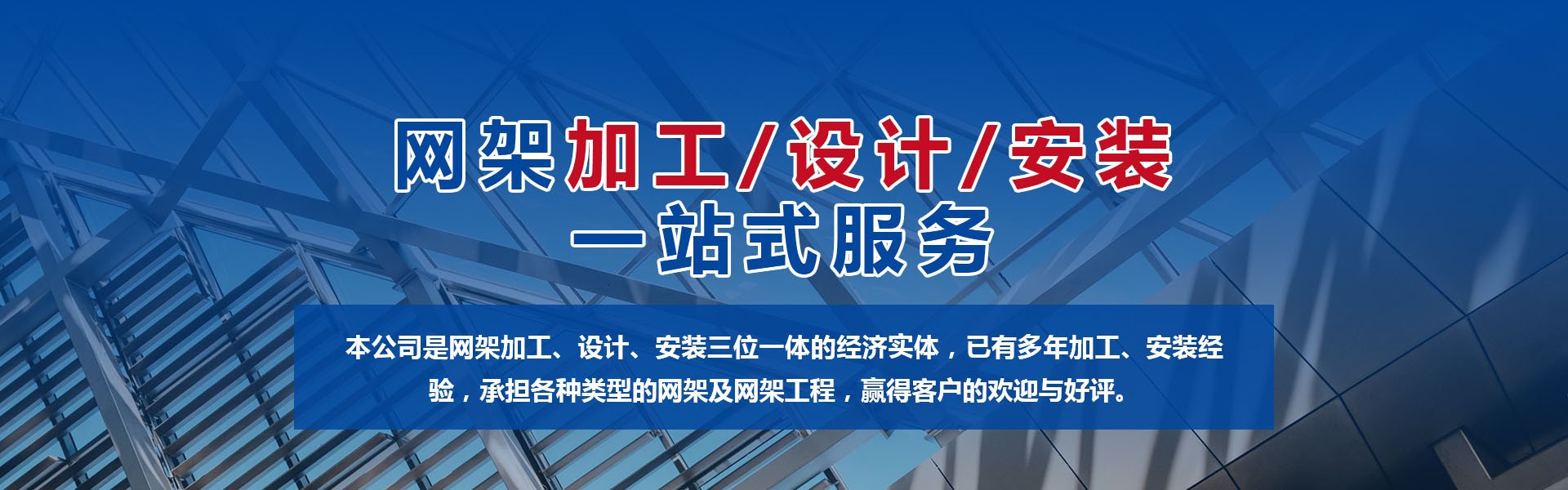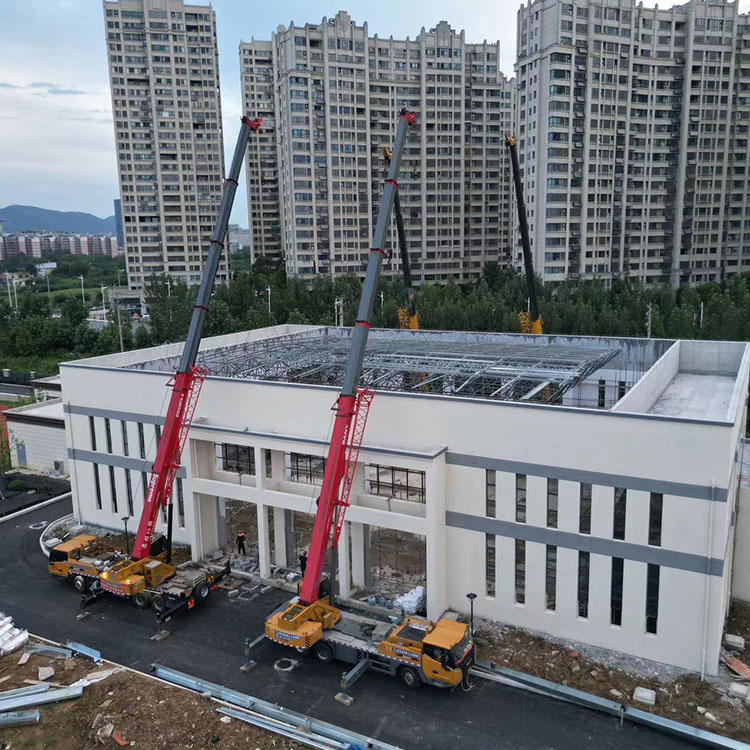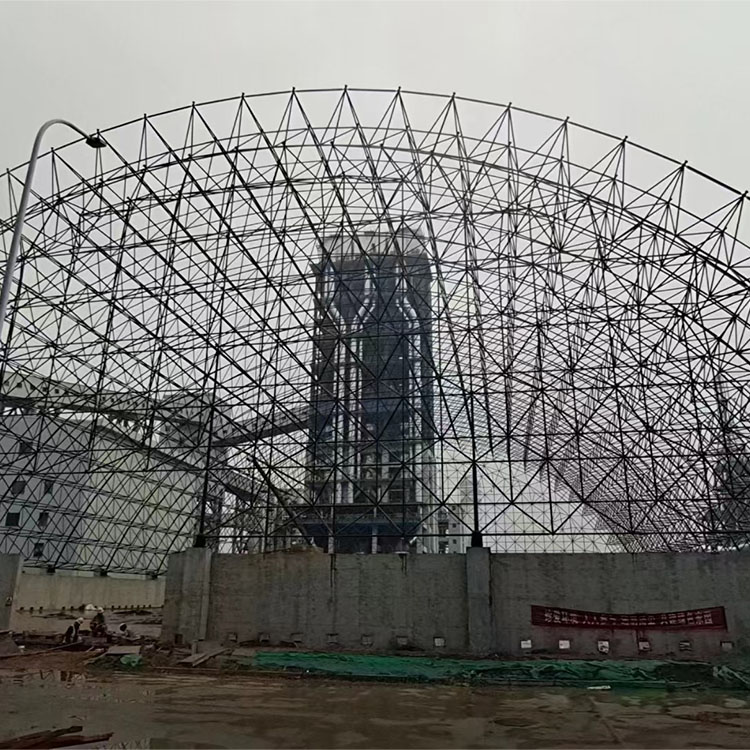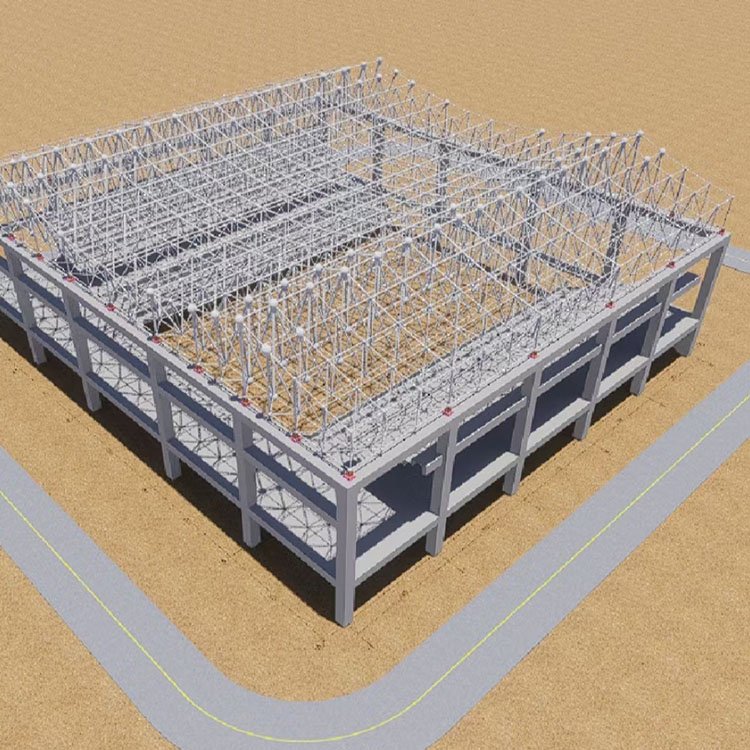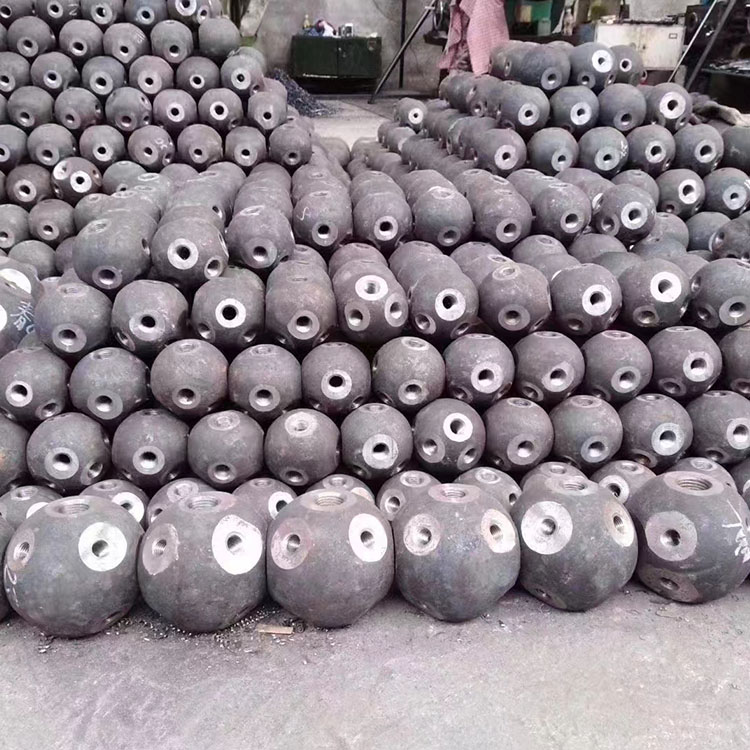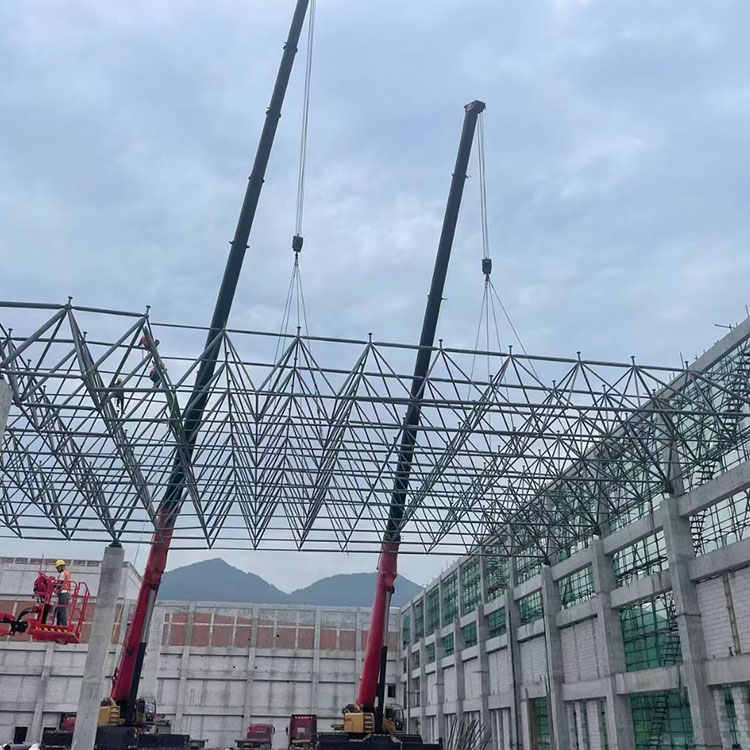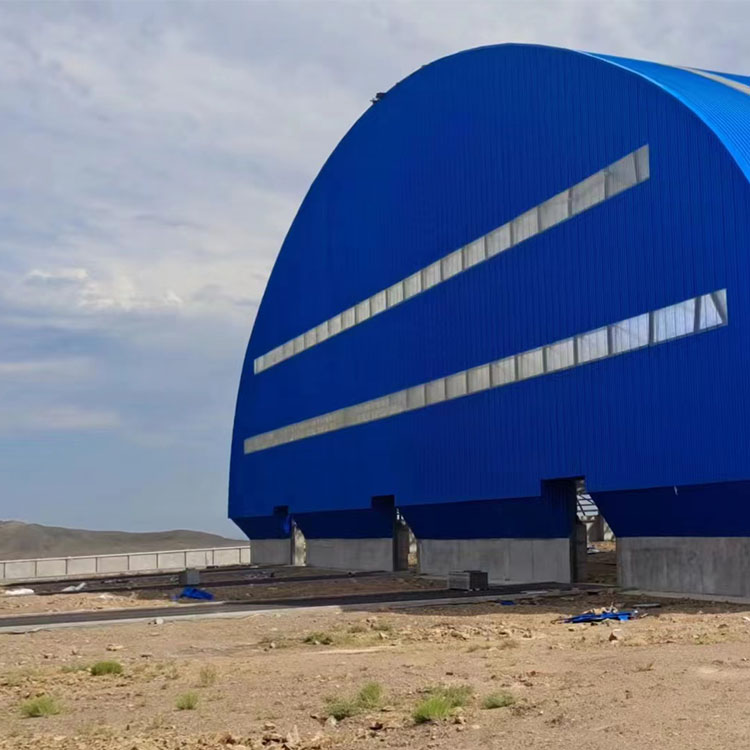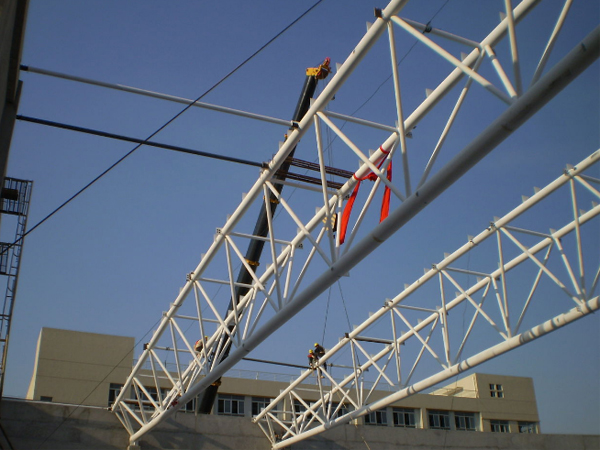
Liting Mesh Structures specializes in the production of c...

As an integral part of architectural structural engineering, the quality and service capabilities of a truss manufacturer directly impact the safety, stability, and lifespan of construction projects. Therefore, truss manufacturers must meet a set of qualification requirements to ensure their ability to design, produce, install, and maintain trusses. The following are the main qualification requirements that truss manufacturers must satisfy:
Company Qualifications
Business License: The manufacturer of steel structures must first possess a valid business license. The license should clearly state the scope of the company's operations, including related businesses such as steel structure design, production, and installation.
2. Construction Enterprise Qualification Certificate: According to relevant regulations of the Chinese construction industry, manufacturers of grid structures must obtain a Construction Enterprise Qualification Certificate. This certificate is divided into different levels (such as Level One, Level Two, Level Three), with higher qualifications indicating stronger technical and project undertaking capabilities of the enterprise.
Structural Steel Engineering Contracting Qualification: Xuzhou Liting Network Frame Engineering Co., Ltd. introduces that network frames are part of structural steel engineering, thus manufacturers need to possess the professional contracting qualification for structural steel engineering. This qualification is categorized into Level One, Level Two, and Level Three, with different levels corresponding to varying project scales and complexities.
Safety Production License: Steel Structure Manufacturers must obtain a Safety Production License to ensure compliance with national safety production regulations during the production process, safeguarding the safety of employees and projects.
3. Technical Competency Requirements
Design Capabilities: A mesh manufacturer must have a professional design team capable of designing mesh structures based on customer requirements and engineering specifications. The design team should include structural engineers, steel structure designers, and other professionals, all holding relevant professional qualifications.
Production Capacity: Manufacturers must have high-quality production equipment and processes to produce steel grid structures according to design specifications. The production equipment should include cutting machines, welding machines, painting equipment, and be equipped with corresponding testing equipment to ensure product quality.
Installation Capability: The manufacturer of mesh structures must have a professional installation team capable of installing the mesh structures on-site according to design specifications. The installation team should include specialists such as welders, crane operators, and installers, all of whom should hold relevant professional certifications.
Testing Capabilities: Manufacturers must have professional testing equipment and personnel capable of conducting quality inspections on their truss products. Inspection items include weld quality, dimensional accuracy, and coating quality, to ensure compliance with national and industry standards.
4. Product Certification
Steel Structure Product Certification: As a steel structure product, trusses must comply with national and industry standards. Manufacturers are required to obtain relevant certifications for steel structure products, such as those from the Chinese Steel Structure Association.
Fire Retardant Coating Certification: Mesh products usually require fire treatment, thus the fire retardant coatings used by manufacturers must comply with national fire standards and obtain relevant certifications.
Corrosion-Resistant Coating Certification: Since our truss products are used outdoors, they require corrosion treatment. Consequently, the anti-corrosion coatings used by the manufacturer must comply with national anti-corrosion standards and obtain relevant certifications.
5. Engineering Achievements
Engineering Portfolio: A truss manufacturer must have a robust track record of completed projects, providing a portfolio of past truss engineering projects. The portfolio should include information on project scale, complexity, and quality to demonstrate the manufacturer's technical expertise and engineering experience.
Customer Reviews: Manufacturers must provide customer evaluations and feedback to demonstrate the quality of service and customer satisfaction throughout the project implementation process.
6. After-Sales Service
After-sales Service Commitment: Steel Structure manufacturers must provide comprehensive after-sales service commitments, including product warranty, maintenance, and fault handling, to ensure timely support and service for customers during usage.
Technical Support: Manufacturers must provide technical support, including design consultation, installation guidance, and user training, to assist customers in effectively utilizing our grid products.
7. Legal Regulations
Adhering to National and Local Laws and Regulations: Our truss manufacturers must comply with national and local laws and regulations, including the Construction Law and the Safety Production Law, to ensure the legal operation of the company.
Adhering to Industry Standards: Manufacturers must comply with relevant national and industry standards, such as the "Code for Design of Steel Structures" (GB 50017) and the "Code for Acceptance of Construction Quality of Steel Structures" (GB 50205), to ensure that products and services meet the required standards.
8. Environmental Requirements
Environmental Production: Steel grid manufacturers must implement environmental protection measures to reduce pollutant emissions during production processes, such as waste water, waste gas, and noise, in compliance with national and local environmental protection standards.
Green Building Materials Certification: Manufacturers can apply for green building materials certification to demonstrate that their products meet environmental protection standards, thereby enhancing the company's market competitiveness.
9. Corporate Social Responsibility
Fulfilling Social Responsibility: Steel mesh manufacturers must fulfill their social responsibilities, including protecting employee rights, participating in public welfare, and supporting local economic development, to establish a positive corporate image.
10. Continuous Improvement
Technological Innovation: Manufacturers of grid structures must continuously innovate technologically to enhance the technical content and competitiveness of their products. This can be achieved by developing new technologies, processes, and materials, thereby improving product performance and quality.
Management Improvement: Manufacturers must continuously enhance their management systems to improve corporate management levels and operational efficiency. This can be achieved by adopting better management tools and methods, optimizing production processes, reducing costs, and increasing profitability.
Conclusion
Qualifications required for truss manufacturers encompass a range of aspects, including corporate qualifications, quality management systems, technical capabilities, product certifications, engineering achievements, after-sales service, legal regulations, environmental requirements, social responsibility, and continuous improvement. These qualifications not only recognize the manufacturer's capabilities and credibility but also serve as a crucial safeguard for ensuring the quality and safety of truss projects. Therefore, truss manufacturers should strictly comply with relevant requirements during their operations, continuously enhance their technical and management skills, and provide better products and services to customers.


b2b.china9.net © Zhongshang 114 Hebei Network Technology Co., Ltd.Address: Room 6009, Oriental New World Center, No.118 East Zhongshan Road, Qiaoxi District, Shijiazhuang City, Hebei ProvincePlatform Service Hotline: 4006299930