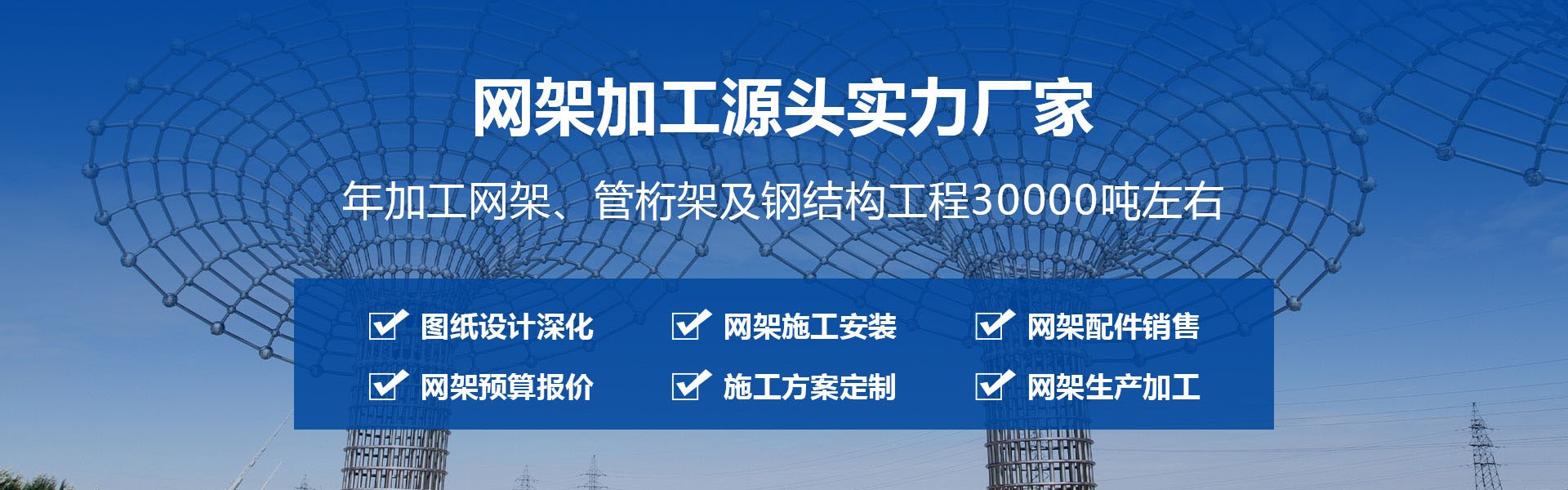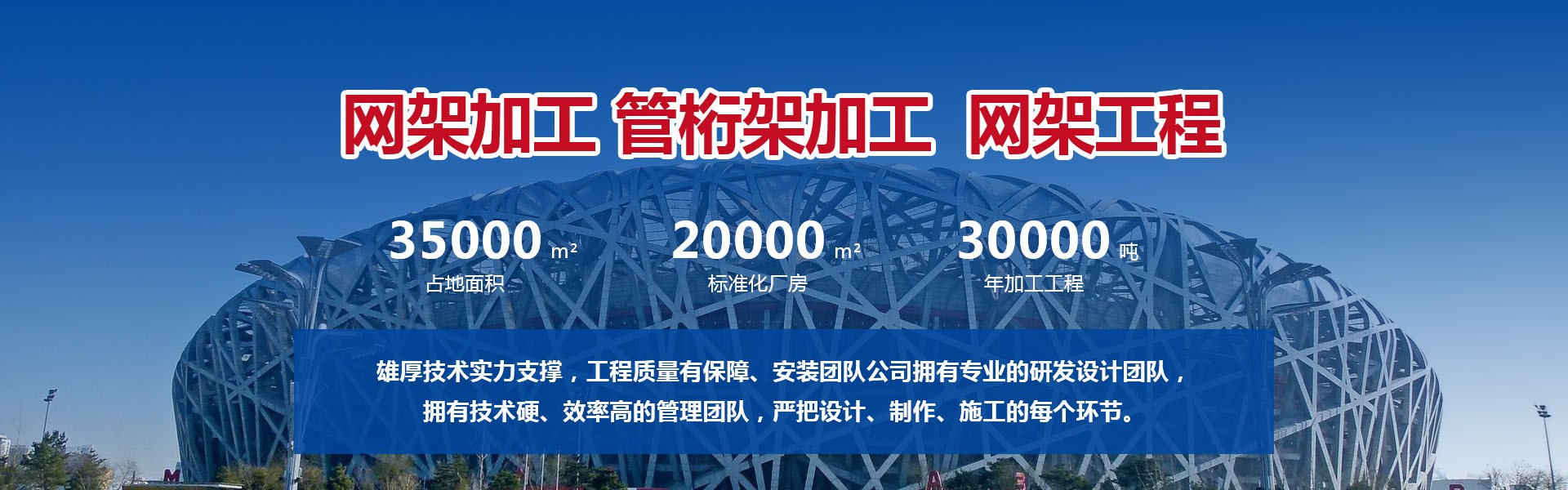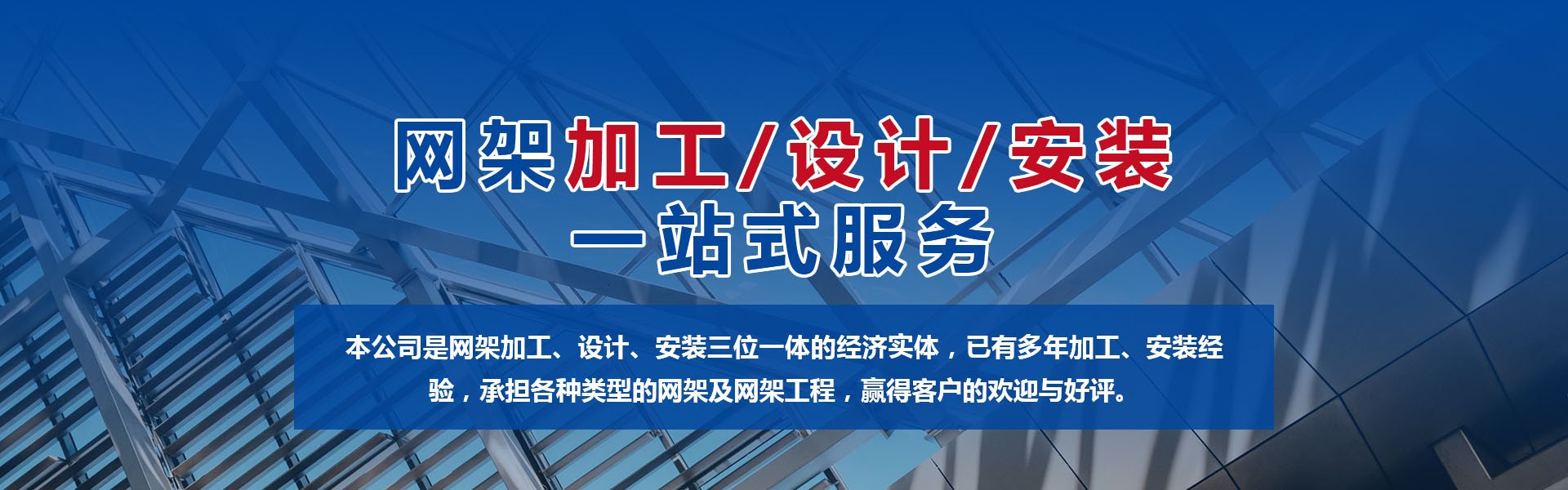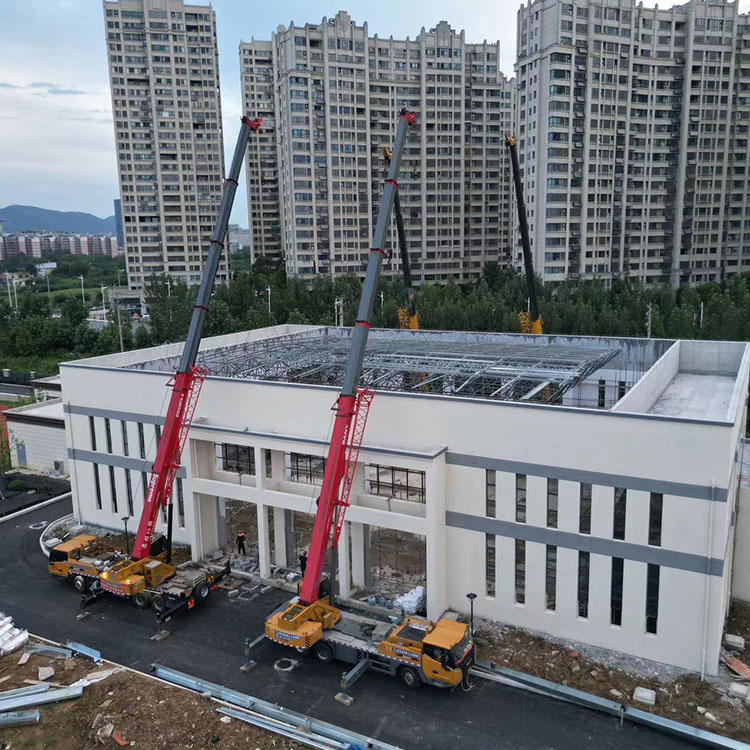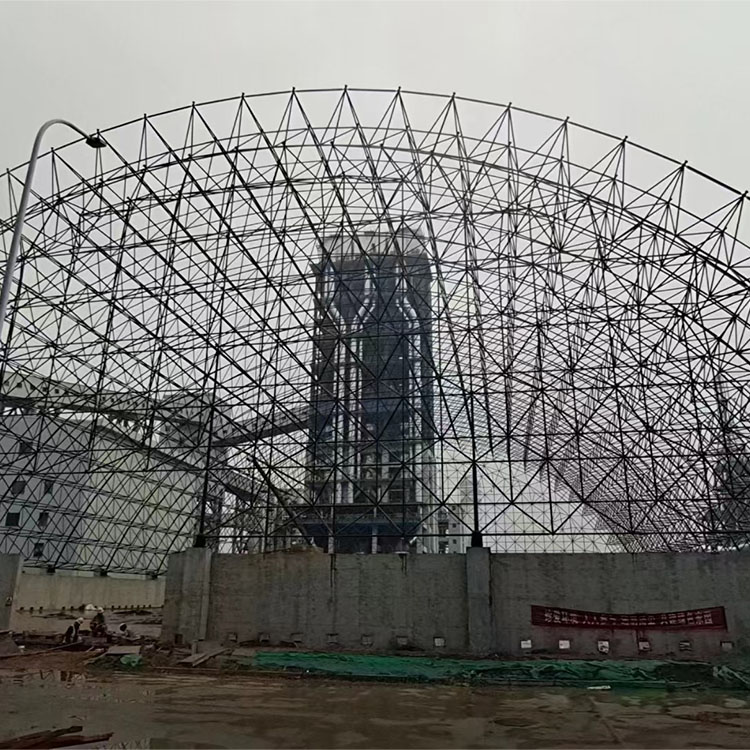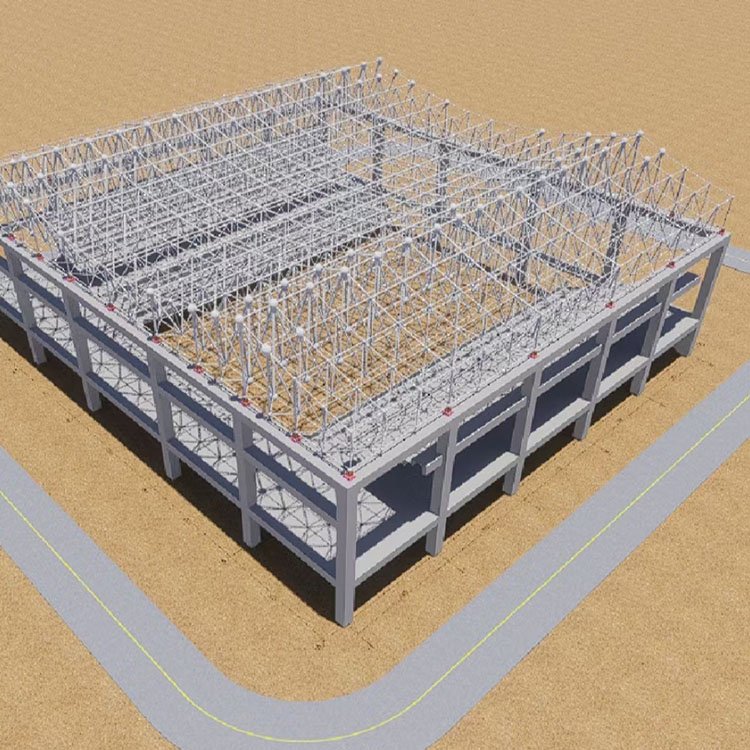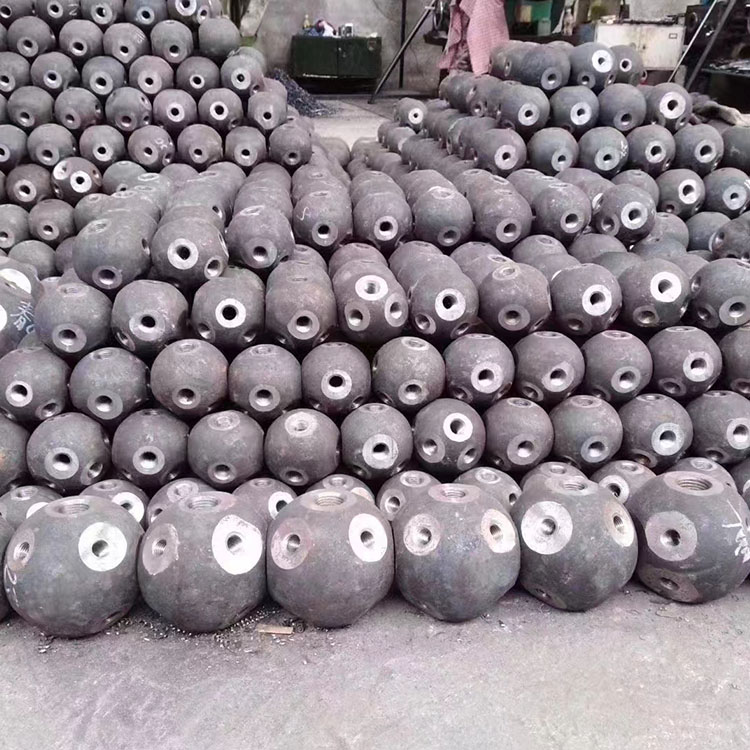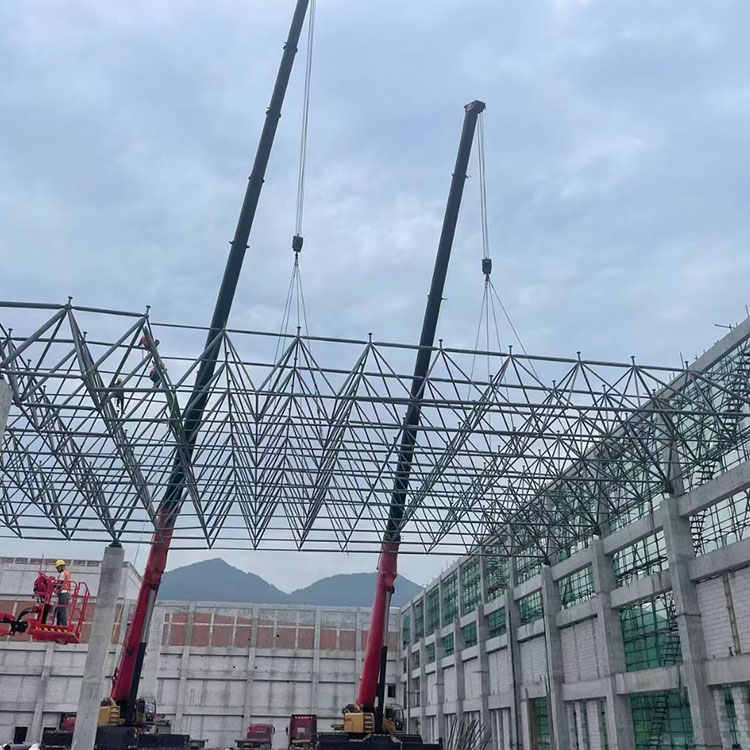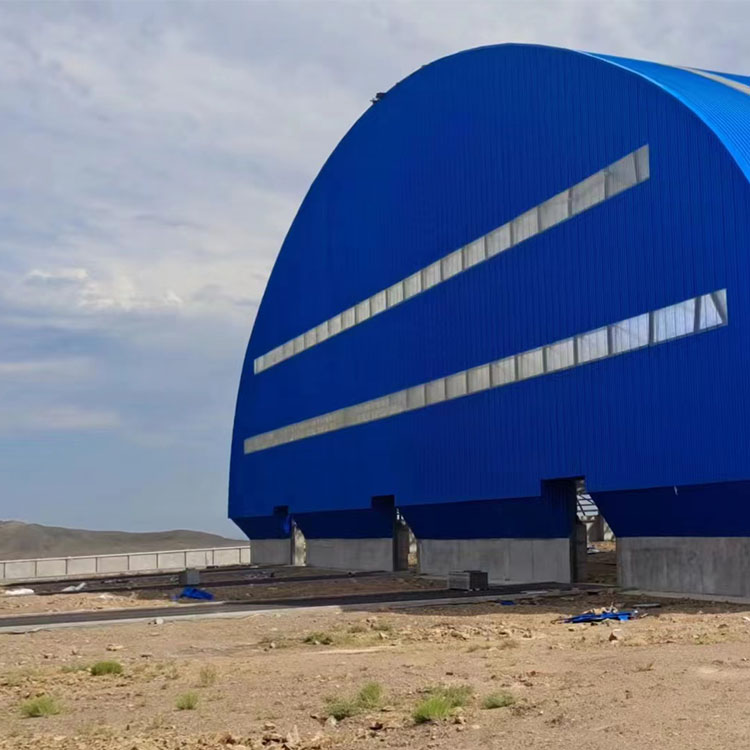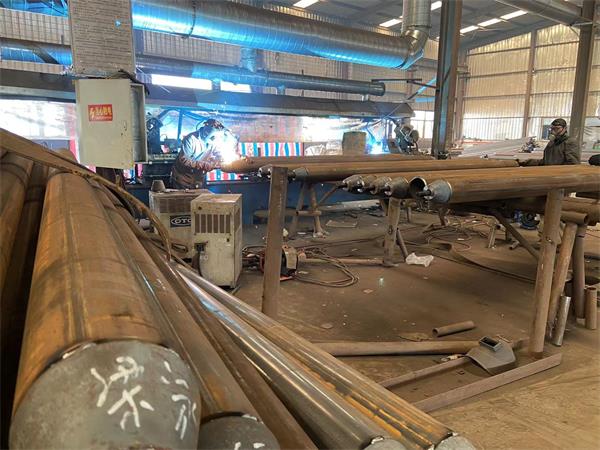
Liting Mesh Structures specializes in the production of c...

When selecting a truss manufacturer, it's crucial to consider multiple factors to ensure the chosen supplier can deliver high-quality products and excellent service. Here are several key points to bear in mind when selecting a truss manufacturer:
Manufacturer's Qualifications and Reputation
Qualification Certification: Firstly, it is essential to verify whether the manufacturer holds relevant qualification certifications, such as ISO Quality Management System Certification and Steel Structure Professional Contracting Qualification. These certifications reflect the manufacturer's production capabilities and management level, and to some extent, ensure the quality of the products.
Industry Reputation: Understanding a manufacturer's reputation within the industry can be achieved by reviewing customer reviews, industry rankings, and historical collaboration cases. Choosing a reputable manufacturer can help reduce risks during the cooperation process.
Historical Background and Experience: Prioritize manufacturers with a long-standing history and extensive experience. Companies like Xuzhou Liting Network Frame Engineering Co., Ltd., with years of production experience, tend to be more mature in terms of technology, craftsmanship, and after-sales service.
2. Product Quality & Technology
Material Selection: The quality of the truss directly depends on the materials used. Ensure that the manufacturer uses high-quality steel that meets national standards and can provide material quality inspection reports. Poor materials can affect the strength, durability, and safety of the truss.
Production Process: Understand the manufacturer's production process to ensure it is advanced, utilizing automated equipment or modern production lines. Advanced production processes guarantee product consistency and precision.
Tech Team: Is the manufacturer's tech team professional, and do they have design and construction capabilities? A good manufacturer typically has a professional design team capable of providing customized solutions based on customer needs.
Design and Construction Capabilities
Design Capabilities: The design of the mesh directly impacts its structural safety and performance. Choosing manufacturers with professional design capabilities ensures that the mesh design meets engineering requirements and can optimize the structure, reducing costs.
Construction Experience: Does the manufacturer have extensive construction experience and can they provide a one-stop service from design, production to installation? Manufacturers with rich construction experience can better handle on-site issues, ensuring the smooth progress of the project.
Review the manufacturer's past engineering projects, especially those similar to customer requirements. The cases provide insights into the manufacturer's design capabilities, construction skills, and project delivery quality.
4. After-Sales Service
After-Sales Support: Understand the manufacturer's after-sales service policy, whether warranty services are provided, and the duration of the warranty period. Good after-sales service can address issues with the product promptly, reducing customer losses.
Response Time: How promptly the manufacturer's after-sales team responds and whether they can quickly resolve customer issues. A rapid response time can minimize the risk of project delays.
Technical Support: Can the manufacturer provide continuous technical support, particularly in the event of issues during installation and use, with professional guidance offered?
5. Price and Value for Money
Reasonable Pricing: While price is a significant factor in choosing a manufacturer, it should not be the sole pursuit. Extremely low prices may indicate a decline in product quality or service levels. Consider the quality of the product, the manufacturer's service, and the price, selecting a manufacturer with a high value for money.
Transparent Pricing: Is the manufacturer's quote transparent? Can they provide a detailed quote, clearly listing all costs? Transparent pricing helps avoid unnecessary disputes later on.
Cost Control: Quality manufacturers can assist clients in cost management by optimizing design and production processes, while ensuring product quality.
6. Delivery Lead Time
Understanding the manufacturer's production capacity is crucial to ensure they can fulfill orders on time. An extended delivery cycle may impact the entire project's timeline, so it's essential to choose manufacturers with robust production capabilities.
Delivery Timeliness: Whether the manufacturer can deliver goods on time as per the contract and if there is a record of delayed deliveries. On-time delivery is a significant reflection of the manufacturer's credibility.
7. Environmental Protection and Sustainable Development
Environmental Standards: As environmental awareness grows, selecting manufacturers that meet environmental standards is increasingly important. Ensuring that manufacturers adhere to environmental production processes, use eco-friendly materials, and minimize environmental impact is crucial.
Sustainability: Whether manufacturers prioritize sustainability and take actions in energy and emissions reduction, resource recycling, and more. Choosing manufacturers committed to sustainability reflects a company's social responsibility.
8. Location and Logistics
The manufacturer's location plays a crucial role in logistics, especially for large-scale mesh projects, where transportation costs and time are significant factors. Choosing a location-convenient manufacturer can reduce transportation costs and shorten delivery times.
Logistics Capabilities: Whether the manufacturer has a comprehensive logistics system and can ensure the safety of products during transportation. Transporting large-scale frameworks requires a professional logistics team and equipment to prevent damage to the products.
9. Contract and Legal Safeguards
Contract Terms: When signing a contract with manufacturers, carefully review the contract terms to ensure clarity and reasonableness. The contract should clearly define product quality standards, delivery times, after-sales service, and other aspects to prevent disputes later on.
Legal Protection: Choose authorized manufacturers to ensure legal protection throughout the cooperation process. When signing the contract, it's advisable to have a professional lawyer review it to ensure the legality and validity of the agreement.
10. Communication and Coordination
Effective Communication: The ability of manufacturers to maintain smooth communication with clients, and to promptly respond to their needs and inquiries. Good communication ensures projects run smoothly, reducing misunderstandings and errors.
Coordination Skills: Does the manufacturer possess strong coordination abilities, particularly in multi-department and multi-step collaborations? Can they effectively coordinate resources among parties to ensure projects are completed on time?
Summary
When selecting a truss manufacturer, it's crucial to consider multiple factors such as the manufacturer's qualifications, product quality, design capabilities, after-sales service, pricing, and delivery schedule. By conducting thorough investigation and evaluation, choosing a reputable, technically proficient, and excellent service provider ensures the quality and progress of the truss project, delivering greater value to clients. Moreover, paying attention to environmental concerns and sustainable development also reflects the company's social responsibility, laying the groundwork for long-term collaborations.


b2b.china9.net © Zhongshang 114 Hebei Network Technology Co., Ltd.Address: Room 6009, Oriental New World Center, No.118 East Zhongshan Road, Qiaoxi District, Shijiazhuang City, Hebei ProvincePlatform Service Hotline: 4006299930