


Brief introduction
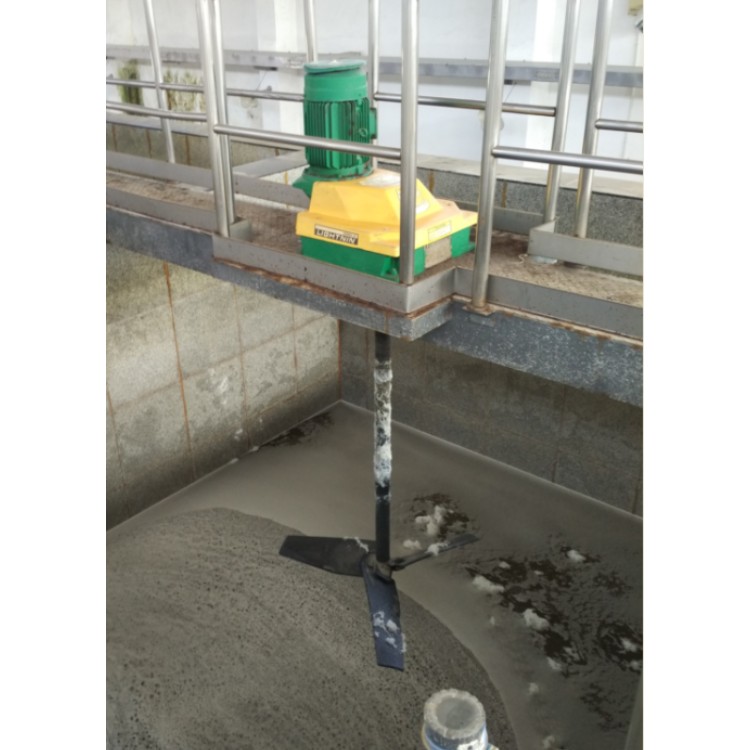
Frame-type mixers are generally used for heat transfer, crystallization operations, and stirring high-viscosity liquids, high-concentration sludges, and sedimentation sludges, as well as for mixing high-viscosity fluid materials.
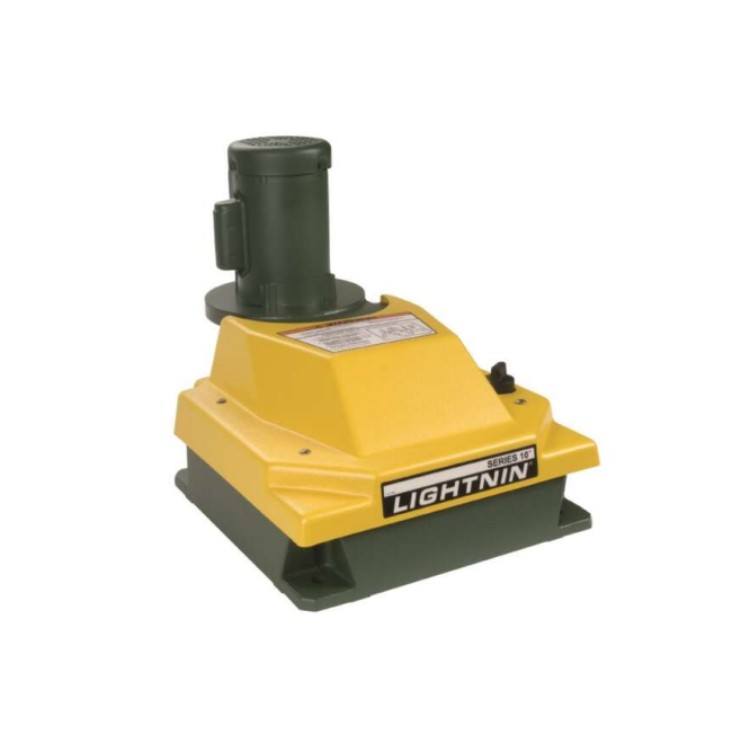
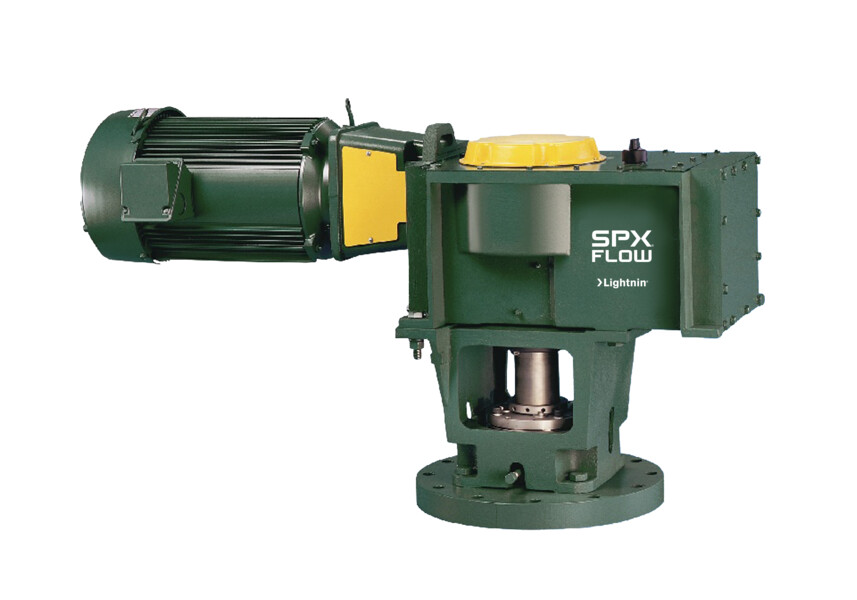
Frame mixers consist of a motor, a reduction gear unit, a frame, a shaft, and frame blades (with shaft bearing in special cases).
Features of the Frame Type Mixer:
The frame mixer can be considered a variant of the paddle mixer, featuring a robust structure and high material handling capacity. When the bottom shape of such a mixer resembles the bottom shape of a reactor, it is typically referred to as an anchor mixer. Frame mixers have a larger diameter, usually around 2/3 to 9/10 of the reactor inner diameter, operating at 50 to 70 rpm. The frame mixer has a smaller gap with the reactor wall, which is beneficial for the heat transfer process. At high speeds, the liquid propelled by the blades of the mixer pulls the stationary layer down from the reactor wall; at low speeds, mixers equipped with scrapers can achieve excellent heat conduction. These mixers are commonly used for heat transfer, crystallization operations, and mixing of high-viscosity liquids, high-concentration sludges, and sedimenting sludges.
1. Frame-type mixer blade arc (D), shaft diameter (S), and shaft length (L) are all reference dimensions. The actual selection should be designed according to the drum size, mixing purpose, speed, viscosity, blade shape, and other conditions.
2. The frame mixer's liquid rod blade material is SUS304. Please inform us separately if you require a special material or lining that is resistant to acids and alkalis.
