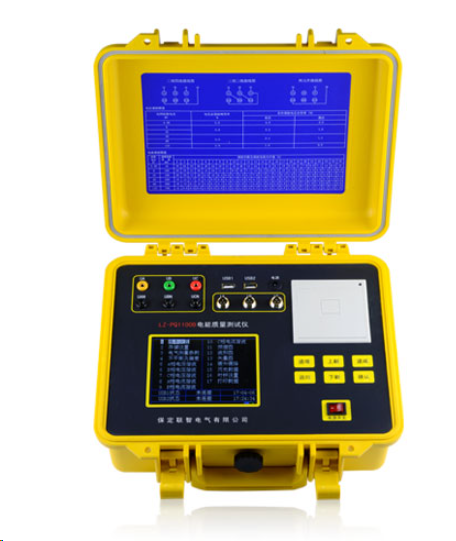




How to Maintain an Electric Power Quality Analyzer?
Electrical Quality AnalyzerA device used for monitoring the quality of electricity in the power grid, it helps users understand parameters such as current and voltage in the grid, and conduct analysis and evaluation. To ensure the proper operation and accurate monitoring of the electricity quality analyzer, it requires appropriate maintenance. This article will introduce how to maintain the electricity quality analyzer, including aspects such as cleaning, protection, calibration, and precautions for use.
It is crucial to keep the Electric Power Quality Analyzer clean. During use, the instrument's surface tends to accumulate dust and debris, which can affect its heat dissipation and proper functioning. Therefore, after each use, it should be wiped down with a soft, clean cloth to ensure it remains clean and tidy.
Next, it's crucial to protect the casing and connection cables of the electric power quality analyzer. These components are vital parts of the instrument, and any accidental damage could affect the normal operation. Therefore, avoid harsh impacts and drops during use, and keep the connection cables clean and undamaged to ensure data transmission and the accuracy of measurement results.
Additionally, regular calibration is a crucial aspect of maintaining the performance of electrical energy quality analyzers. Calibration is the process of verifying the accuracy of the instrument's measurements, which helps users identify and correct any deviations or drifts. Generally, the calibration interval should be set according to the specific requirements of the instrument to ensure its precision and stability. Regular calibration ensures that the instrument remains in optimal working condition.
In addition to the aforementioned basic maintenance measures, the following usage precautions should be noted:
Firstly, carefully read the instrument's manual before use and operate it according to the instructions. Incorrect operation of the instrument may lead to malfunctions or inaccurate measurement results.
Next, pay attention to the environmental conditions of the instrument. Most power quality analyzers should be used in a climate with suitable temperature and humidity to avoid damage to the instrument from excessive heat or moisture.
Thirdly, avoid using the instrument in environments with strong magnetic fields or electromagnetic radiation. Strong magnetic fields or electromagnetic radiation may interfere with the normal operation of the instrument, affecting measurement accuracy.
Next, regular backups and storage of measurement data are required. Power quality analyzers typically record a large volume of measurement data, which needs to be backed up and stored promptly to prevent data loss. Additionally, the backed-up data can be utilized for subsequent data analysis and report generation.