


What is a traffic signal?
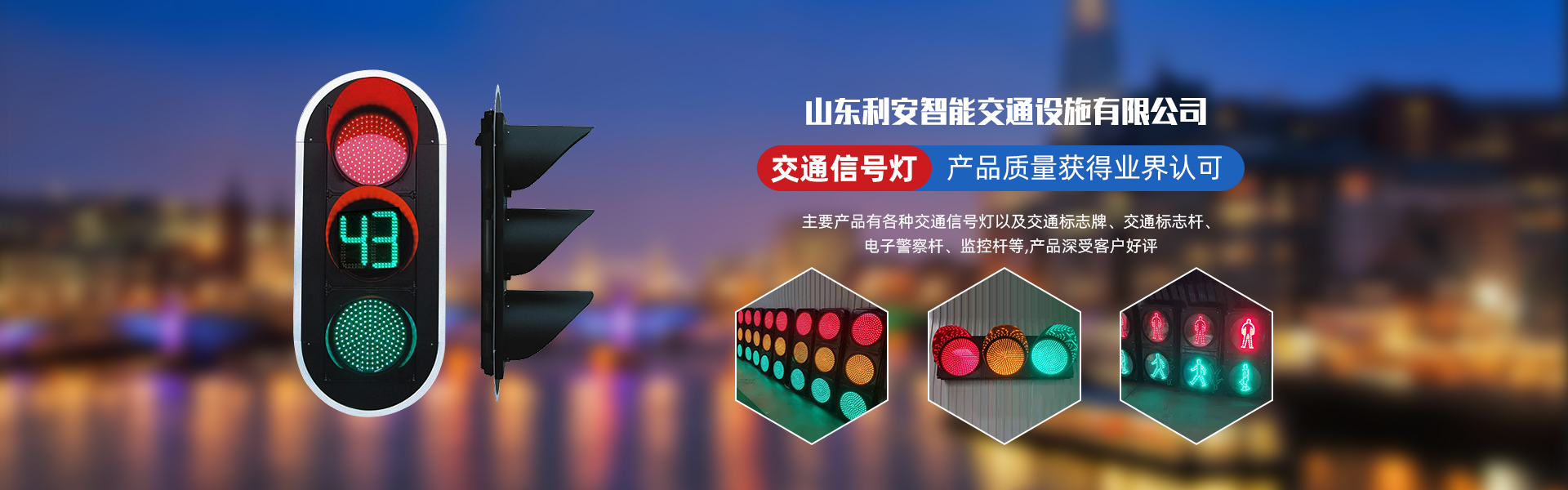
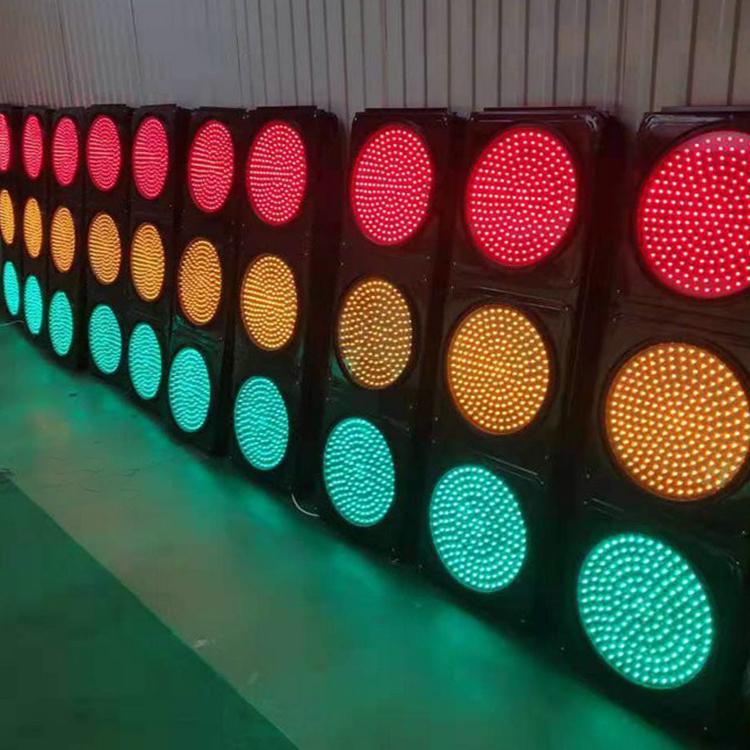
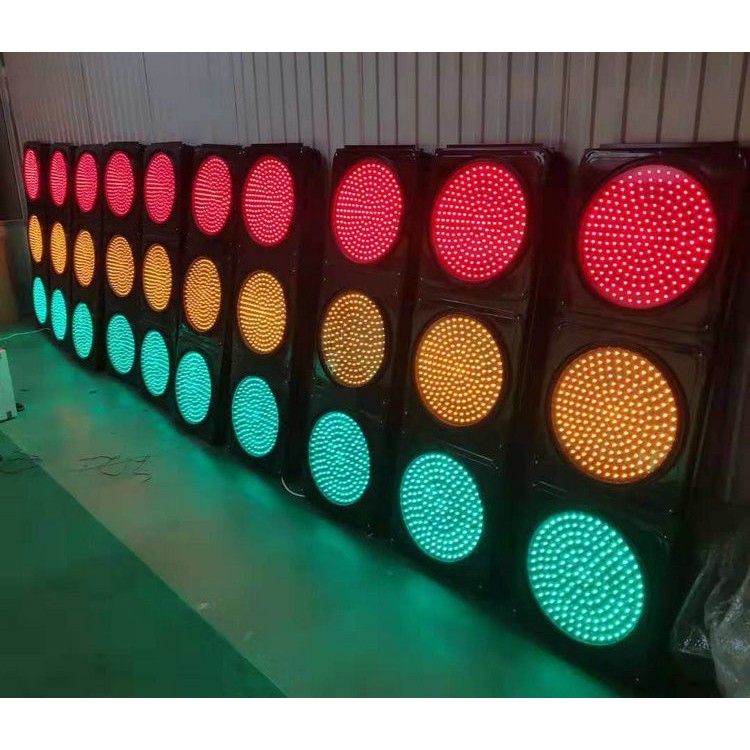
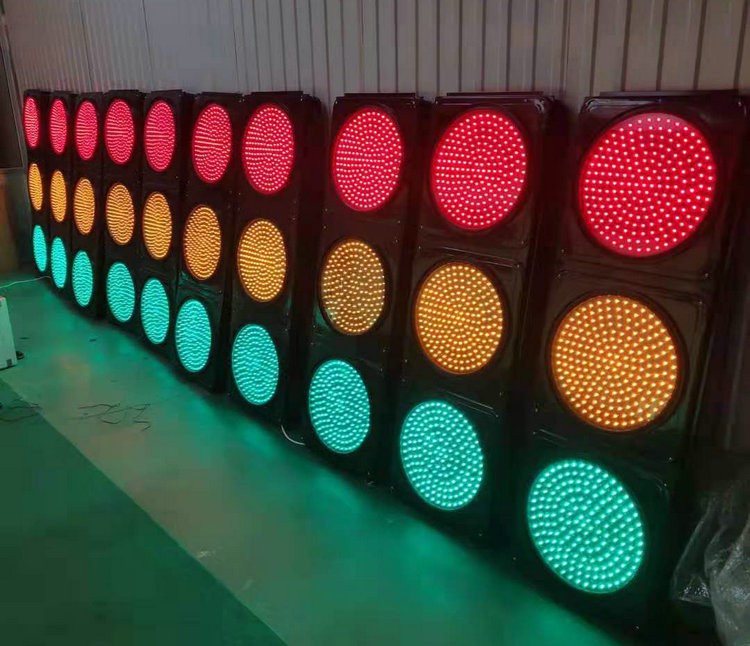
Traffic signals are signals that regulate traffic flow, typically consisting of red, green, and yellow lights. Red indicates stop, green signifies go, and yellow serves as a caution.
Category:
Traffic signals are categorized into: Vehicle Signal Lights, Non-Motor Vehicle Signal Lights, Pedestrian Crossing Signal Lights, Directional Indicator Lights (Arrow Signals), Lane Signal Lights, Flashing Warning Signal Lights, and Road-Rail Intersection Signal Lights.
Light Color:
Initially, there were only red and green colors, but later, a yellow light was added after improvement. The red light indicates stop, the yellow light indicates preparation, and the green light indicates go. The use of these three colors as traffic signals is also related to the structure of people's vision and their psychological reactions.
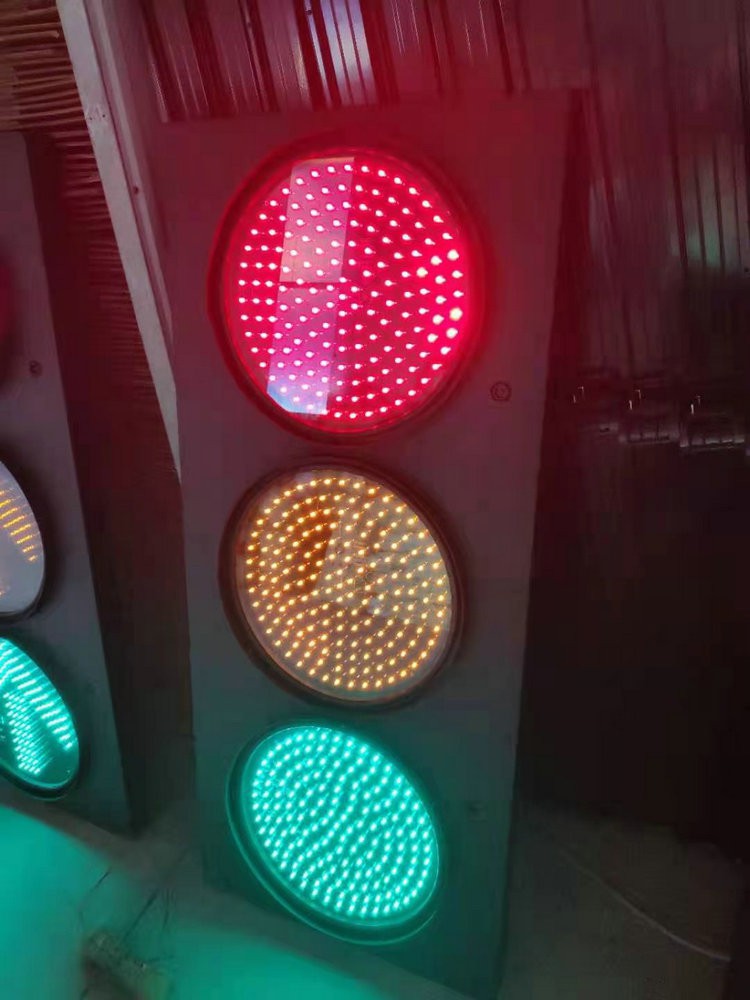
The human retina contains rod and three cone photoreceptor cells. Rod cells are particularly sensitive to yellow light, while the three cone cells are sensitive to red, green, and blue light, respectively. Due to this visual structure, humans are easily able to distinguish between red and green. Although yellow and blue are also easily distinguishable, since there are fewer photoreceptor cells in the eye sensitive to blue light, the best method for color differentiation is still based on red and green.
