

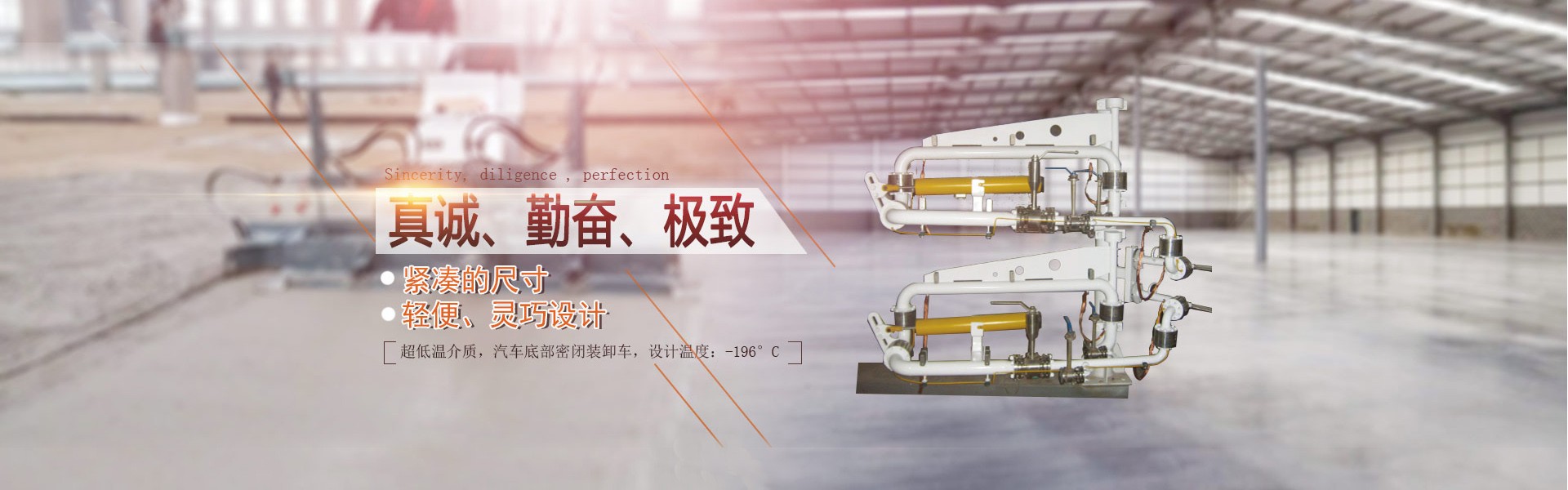


The loading鹤crane is a mechanical arm-type device specifically designed for the loading and unloading of liquids or gases. It is widely used in industries such as oil, petrochemicals, and liquid transportation and storage, serving for the liquid loading and unloading operations of trucks and rail tank cars. Below is a detailed introduction to it:
Structural Composition
Pile: Supports the weight of the arm, distributes the load of the rotating joint, rationalizes the pipeline's load distribution, ensures stable installation, and can be connected using bolts or welded during the assembly with the pier.
Swivel Fittings: A crucial component for the multi-angle rotation of crane booms, featuring sealing rings to prevent medium leakage. Standard crane booms typically use 4 or 5 swivel fittings to achieve three-dimensional movement and flange interface alignment.
The inner arm: the section connecting the interface to the outer arm, which can rotate horizontally.
The outer arm: the main part of the crane boom, capable of rotating 360° horizontally and 75° vertically.
Hanging Pipe: Designed for insertion into tank cars for the loading and unloading of media. Aluminum alloy hanging pipes can overcome the hazards that may arise from collisions with steel materials in tank cars.
Balancing System: Designed to counterbalance the weight of the outer arm and the dropper tube, ensuring smooth and agile arm operation. A common type of balancing system is the spring cylinder.
Vapor Phase Tube: Utilizes stainless steel flexible hose for the discharge of volatile gas medium.