


 Suited for workpieces with complex shapes, high dimensional accuracy requirements, and both high hardness and toughness, such as various small cold and hot stamping dies, forming tools, and springs, etc. The hardenability of steel refers to its ability to achieve a certain depth of hardening layer during quenching under specified conditions (workpiece size, quenching medium), which is the depth of martensite formation in the steel under those conditions. Hardenability is a primary thermal treatment property of steel. The depth of the hardening layer is the vertical distance from the surface of the hardened workpiece to the specified hardness value (usually 550HV). The deeper the hardening layer, the better the hardenability. The main factors affecting the hardenability of steel are its chemical composition; for example, pearlitic steel with a carbon content of 0.77% in spheroidal cast iron pipe fittings has good hardenability in carbon steel, and most alloying elements (except Co) can significantly improve the hardenability of steel. Additionally, the type of coating on spheroidal cast iron pipe fittings can affect the quenching heating temperature, which in turn influences the hardenability of the steel. The hardenability of steel is a fundamental property and an important basis for rational material selection and the correct formulation of heat treatment processes.
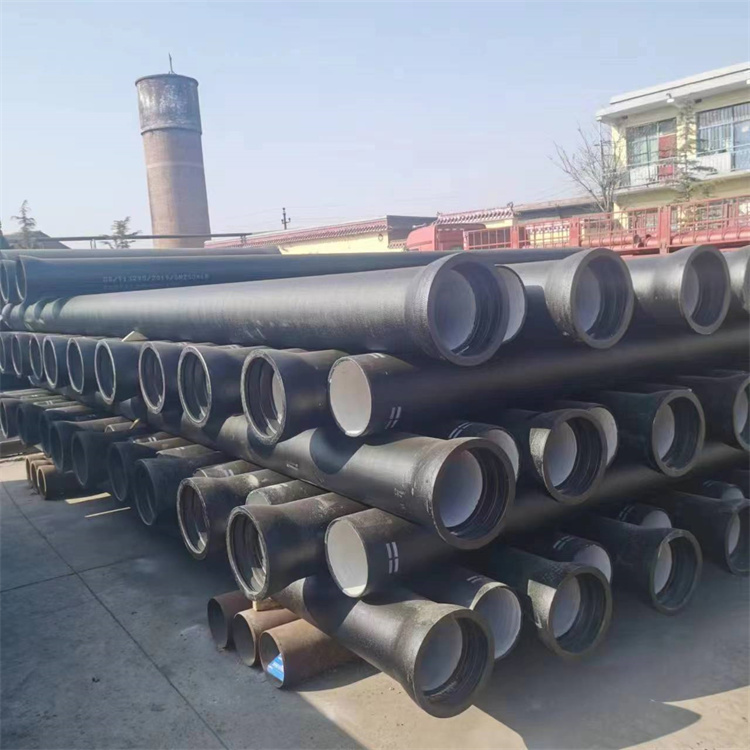
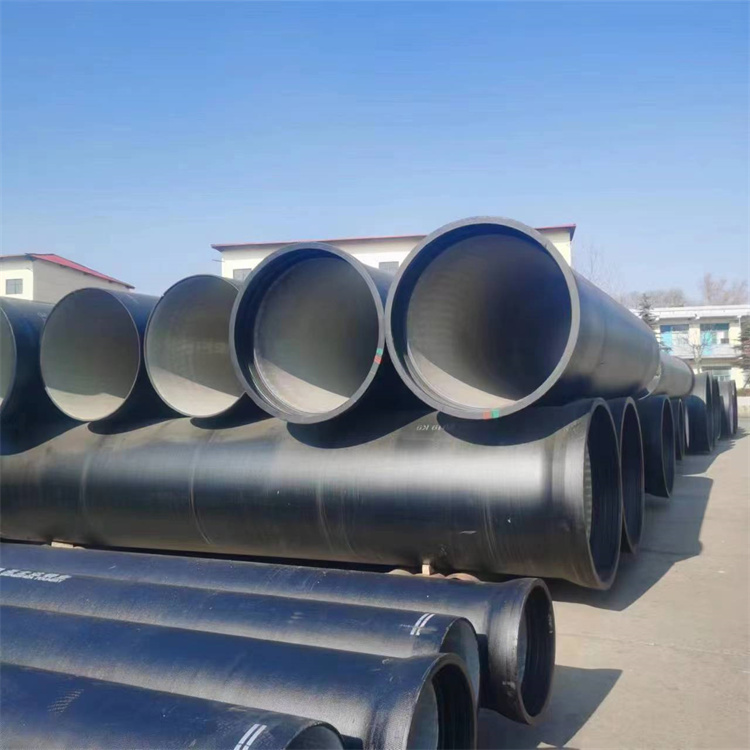
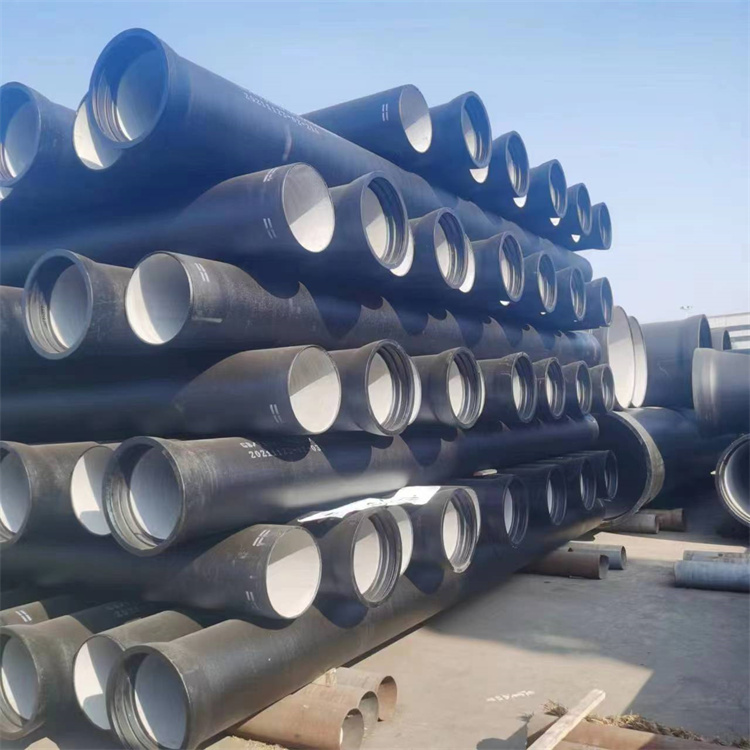
Ductile iron pipe
