
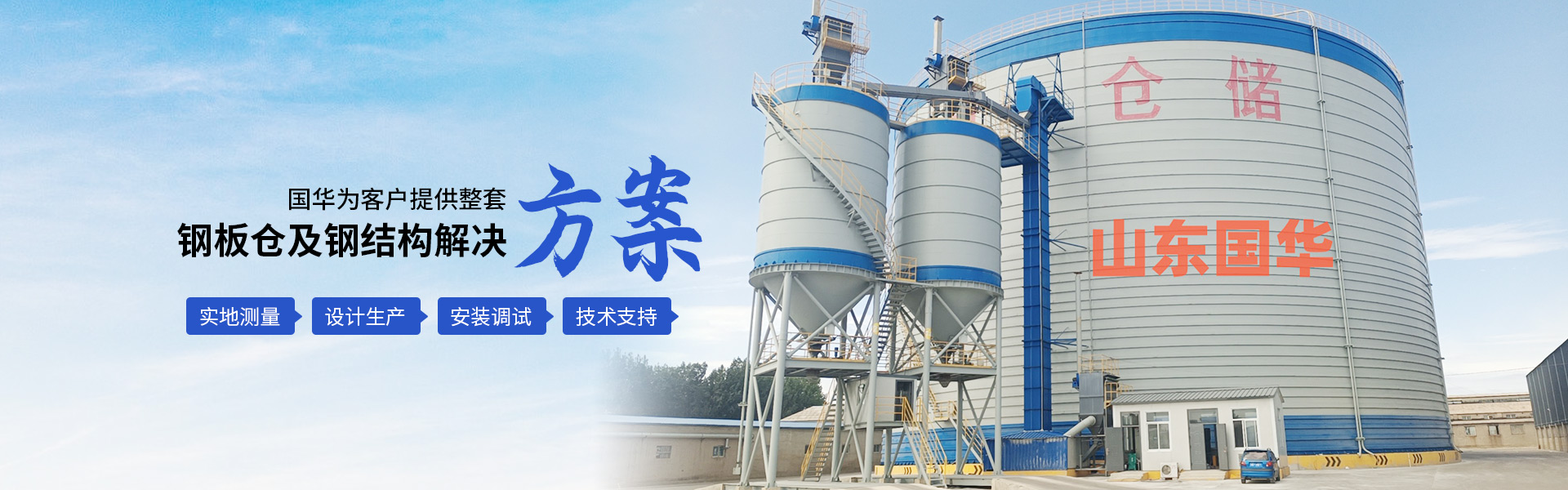
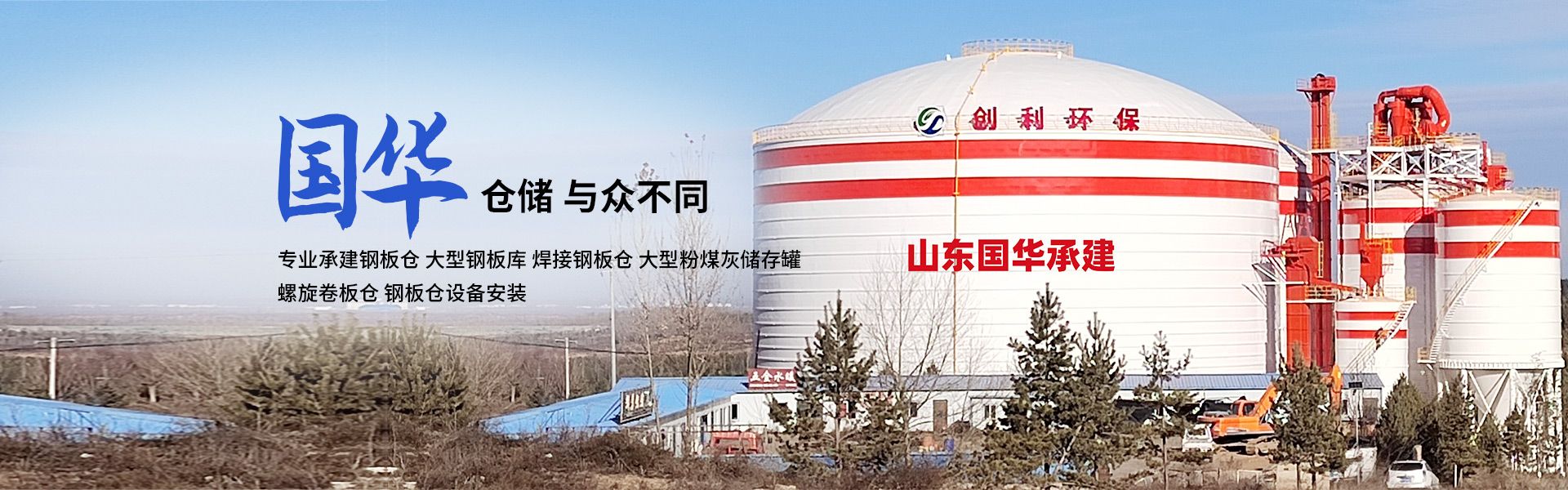
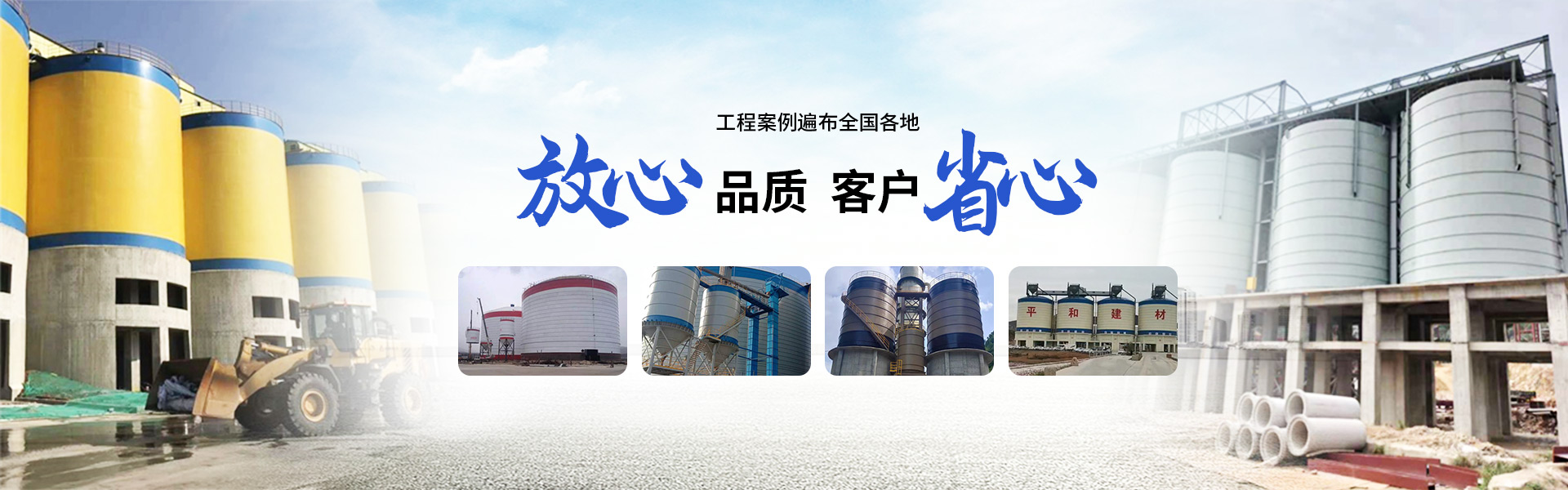
As seasons change, autumn emerges as the golden period for construction projects, including the construction of spiral steel plate silos and large steel plate silos, due to its cool and dry weather. However, while the autumn climate is relatively favorable, a series of key factors must still be considered during the construction process to ensure the quality, safety, and progress of the project. Here are some critical considerations for the autumn construction of spiral steel plate silos and large steel plate silos.
I. Weather Changes and Protective Measures
With significant temperature fluctuations between day and night during autumn, accompanied by occasional autumn rains, this poses challenges for the construction of steel plate silos. Construction companies must closely monitor weather forecasts and schedule work accordingly to avoid operations during severe weather conditions such as strong winds and heavy rain. Effective measures against rain and humidity should also be implemented, such as setting up temporary rain shelters to protect installed steel plates from water damage, preventing rust and deformation.
Section II: Foundation Construction and Soil Conditions
The moderate soil moisture in autumn is favorable for foundation excavation and pouring. However, detailed soil exploration is still necessary before construction to ensure the bearing capacity of the foundation meets design requirements. During the foundation construction, attention must be paid to the drainage system to prevent waterlogging from affecting the strength and stability of the foundation. Additionally, for spiral steel plate silos, special attention must be given to the flatness and elevation control of the foundation to lay a solid foundation for the subsequent body installation.
Section 3: Steel Plate Material Protection
Steel plates are the primary material for constructing steel silos, and their quality directly affects the overall performance of the silo body. Although the autumn air is dry, the humidity fluctuations can still have an impact on the steel plates. Therefore, during material storage and transportation, moisture and rust prevention measures should be taken, such as covering with waterproof canvas, regularly inspecting the surface condition of the steel plates, and promptly addressing rust and scratches. Additionally, before the installation of the steel plates, it is crucial to ensure that the materials are dry to avoid construction under high humidity conditions.
Section 4: Welding Quality and Temperature Control
Welding is a critical phase in the construction of steel silos, directly affecting the silo's sealing and structural integrity. As temperatures gradually drop in autumn, this may impact welding quality. Therefore, strict control over welding temperatures must be maintained during construction, with measures such as preheating and insulation to ensure that the welding joints meet the design requirements for strength and toughness. Additionally, enhance the skills training of welders to improve quality and reduce welding defects.
Five: Safety Management and Emergency Response Plan
Safety is the top priority in construction projects. With the autumn's dry conditions, there's an increased risk of fires. Construction sites must enhance fire prevention management, strictly control fire sources, and ensure an adequate supply of firefighting equipment. Moreover, for high-altitude operations, crane lifting, and other high-risk activities, detailed safety operation procedures must be established. Safety education and training should be strengthened to ensure that construction personnel strictly adhere to safety regulations. Additionally, an emergency response plan must be in place to address potential sudden events, such as typhoons and heavy rains, to ensure the orderly and safe progress of construction.
In summary, the autumn construction of spiral steel plate silos and large steel plate silos must take into account various factors such as weather changes, foundation work, material protection, welding quality, and safety management. Through scientific planning, meticulous management, and strict oversight, we ensure construction quality and safety, laying a solid foundation for the successful advancement of the project.
