







- AllProduct Category
-
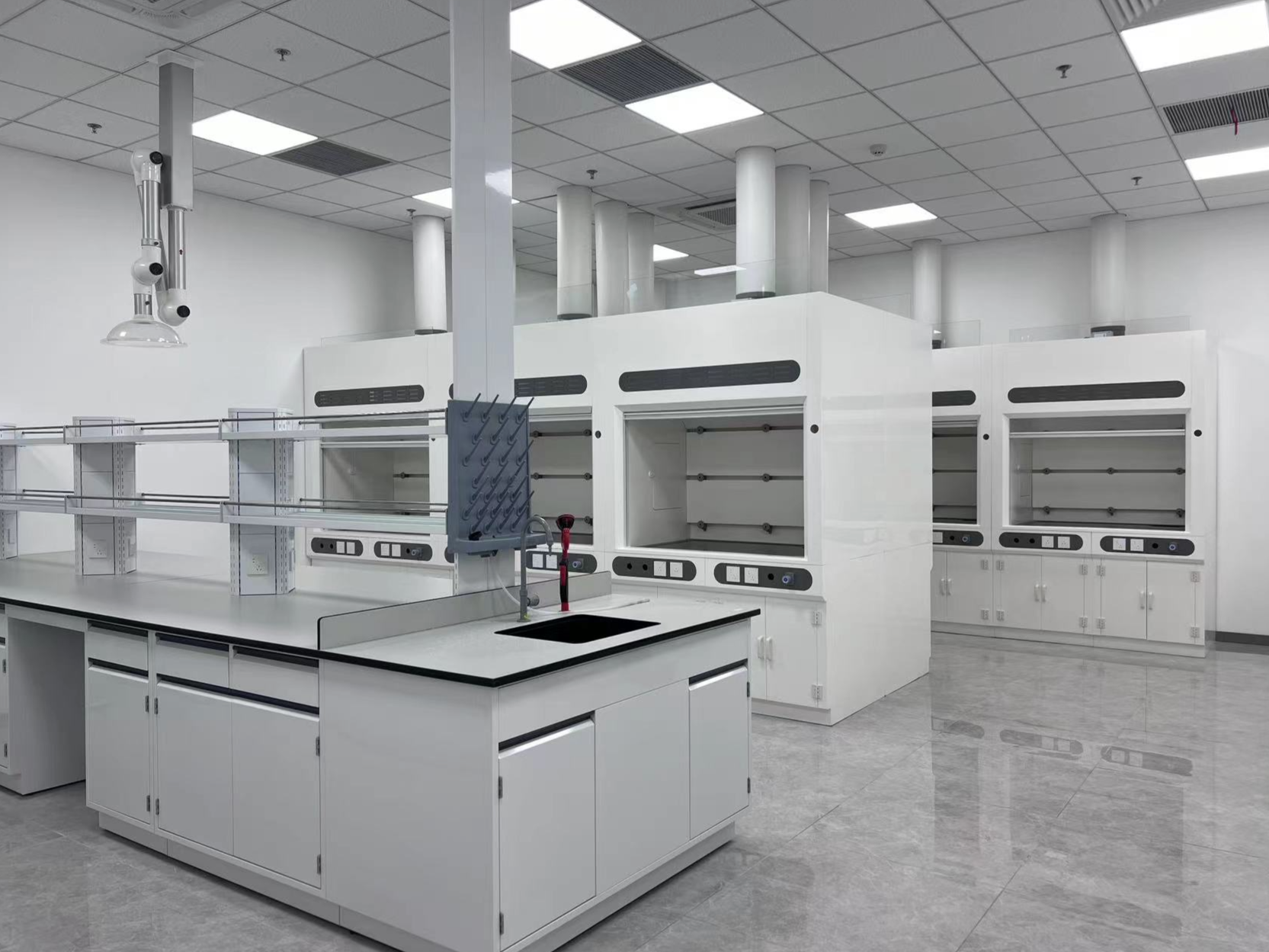
Ventilation Hood
Medicine Cabinet
Lab Bench
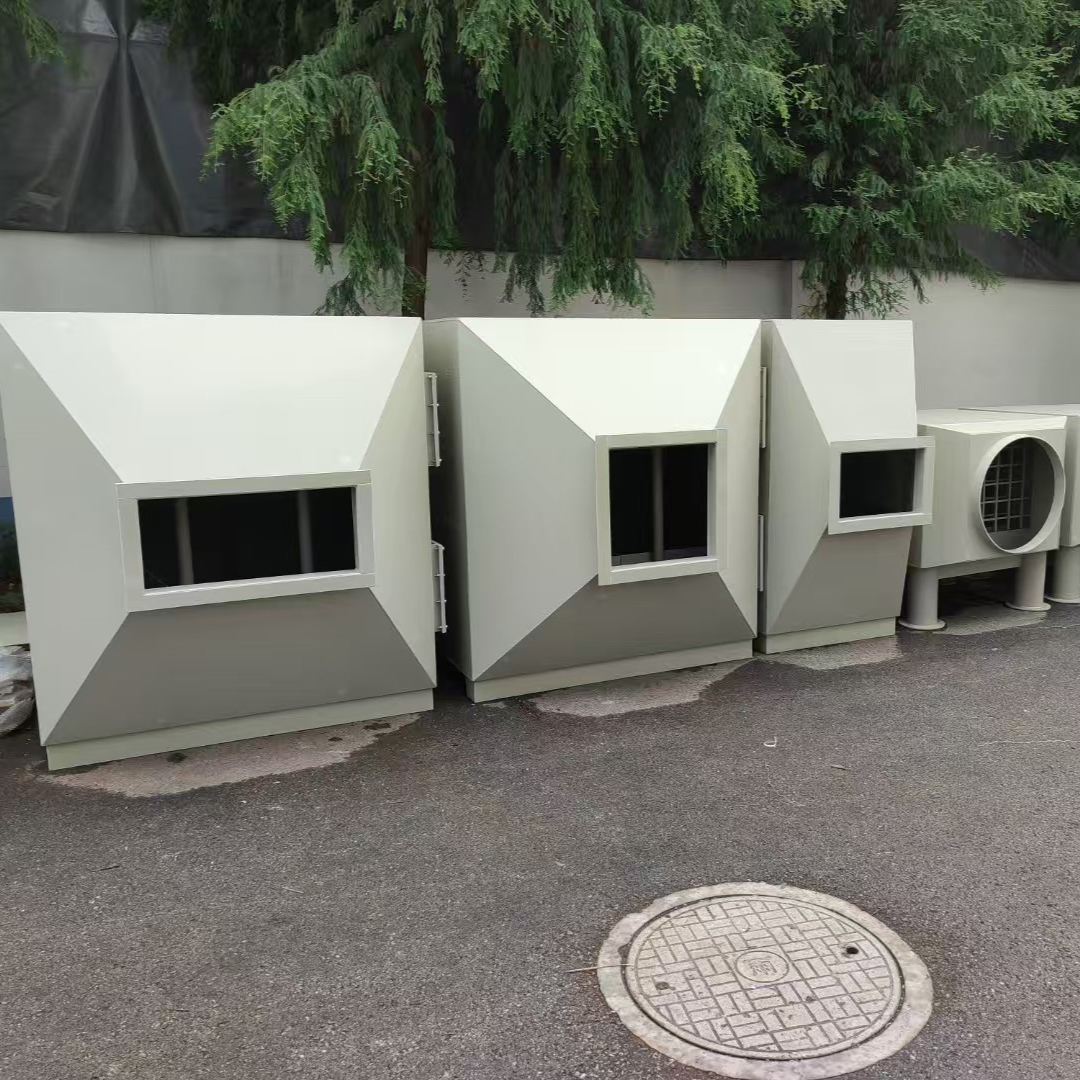
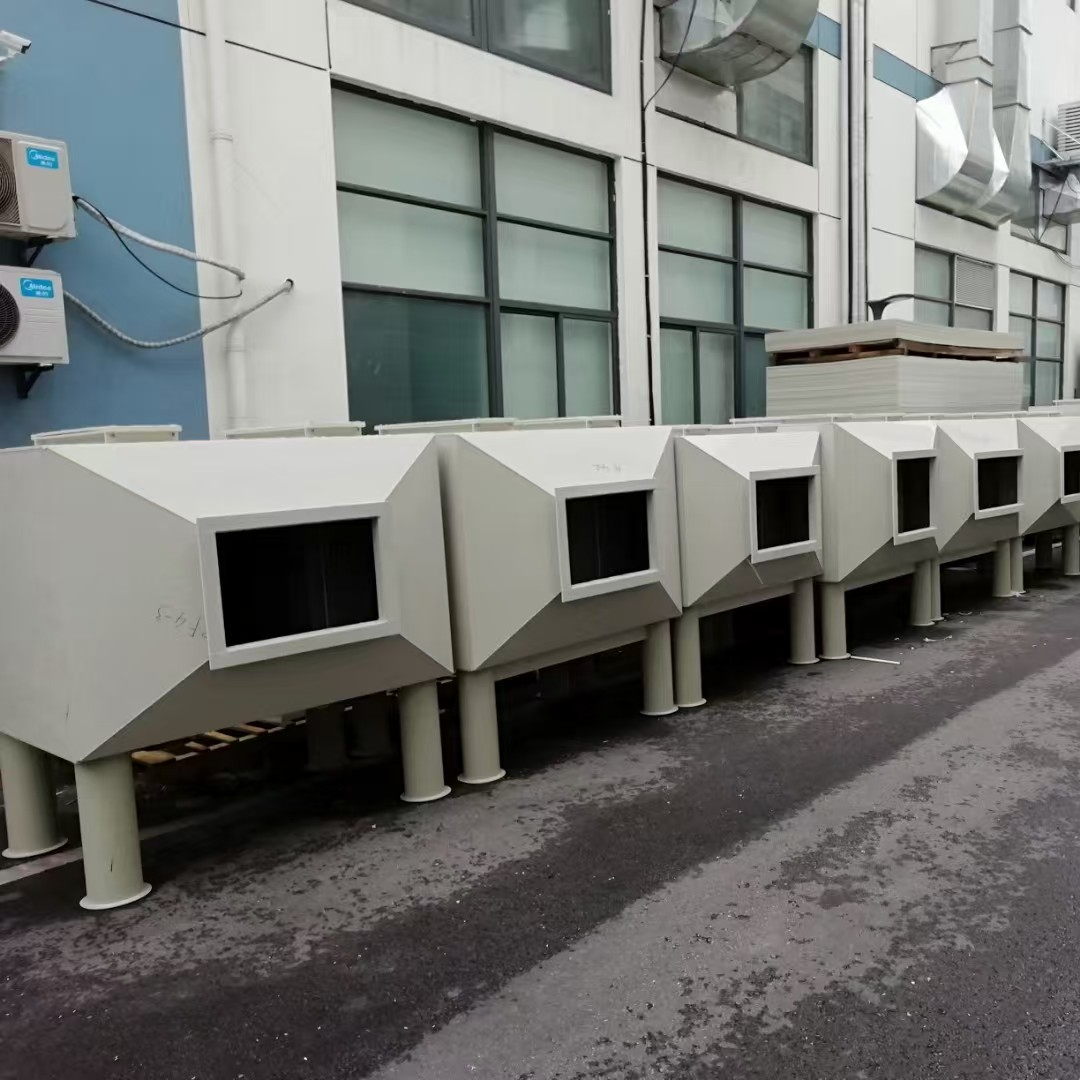
PP Carbon Box
PP Blower
PP Waste Gas Treatment Equipment
PP Acid-Base Cabinet
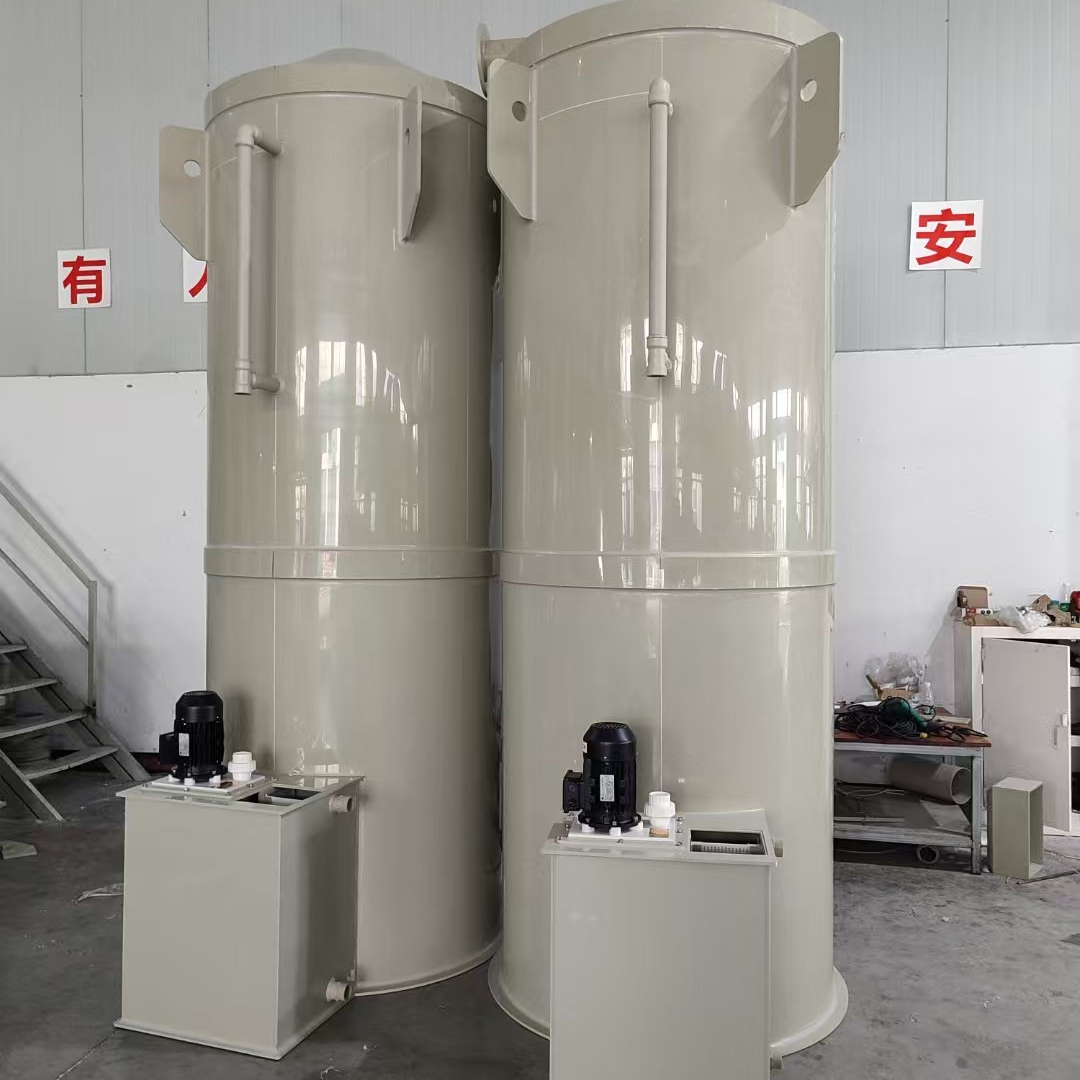
PP Spray Tower
PP Ventilation Pipe


Recommended Products
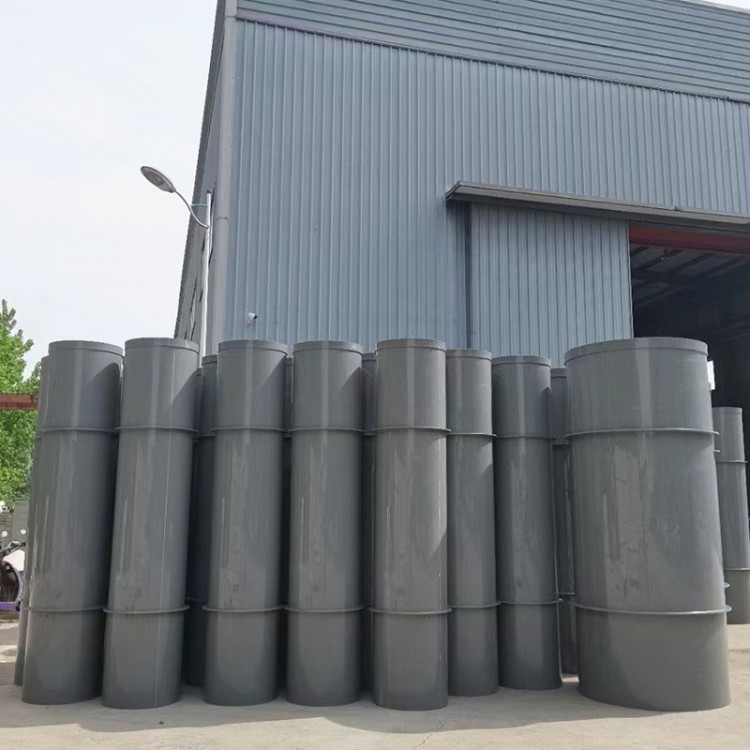
详情描述
PP Spray Tower Manual
1. PP Spray Tower Composition, Features, and Application Range
PP Spray Tower includes the shell, circulating water tank, inlet section, spray layer, packing layer, demister layer, exhaust cone cap, observation holes, etc. Made of PP material, it has UV resistance and aging resistance. For the treatment of inorganic waste gas, the liquid absorption and neutralization method is commonly used. This process and product feature simple structure, low energy consumption, high purification efficiency, and wide application range. The packing uses high-efficiency, low-resistance Raschig rings, Pall rings, etc., and the spray layer is assembled with sufficient atomizing nozzles. The nozzles can be easily removed for cleaning scale and clogs, facilitating maintenance and replacement.
Suited for continuous and intermittent exhaust gas treatment; simple in process, convenient and straightforward in management, operation, and maintenance, causing no impact on the workshop's production; wide application range, capable of purifying multiple inorganic waste gases, water-soluble waste gases, and dust-containing gases simultaneously; low pressure drop, high operating flexibility, and excellent demisting performance.
2. Working Principle of the PP Spray Tower
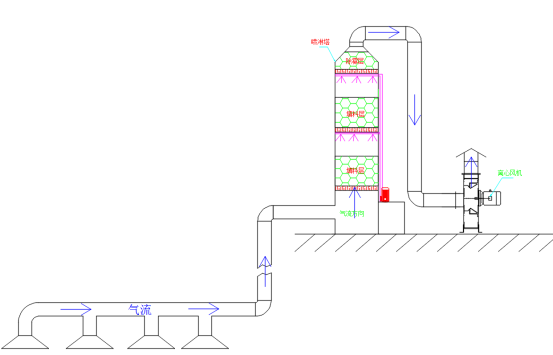
Waste gas is introduced into the purification tower through ducts, where the absorbent liquid is pressurized by a pump at the bottom and sprayed down from the top. It then passes through the packing layer, where the waste gas and absorbent liquid are fully contacted for absorption and acid-base neutralization reactions. Finally, it returns to the bottom of the tower for recirculation. After purification, the waste gas is further dehumidified and defogged by a demister plate before being exhausted into the atmosphere by a fan.
Section 3: Process Flow Diagram
Operation Instructions
1. Pre-test preparation work:
Prior to initiating this system, a comprehensive check is required, verifying and confirming the accuracy of each installation diagram, and clearing all visible debris within the system.
Before initiating this system, all pipelines, equipment, and other facilities within the system must be checked accordingly to ensure their performance is good and meets testing requirements.
(3) Prior to initiating this system, it must be confirmed that the power system, water supply system, and drainage system compatible with this system are operating normally and fully meet the requirements for the system's test operation.
2. Daily Startup Procedures:
Power on and sequentially start the circulation pump and fan. Note to check for any abnormal conditions with the operational indicator lights.
(2) After completing the operation, shut down the fans and the circulating water pump sequentially.
3. Routine Maintenance Matters:
(1) Conduct weekly inspections to monitor the liquid level in storage tanks and maintain proper liquid height.
(2) In case the automatic water补给or non-supply device of the exhaust gas tower fails, disconnect the power and restart it. If it still cannot return to normal operation after the restart, check for loose connections at the circuit points and ensure that the circulating pump or dosing unit is operating normally.
(3) Regularly inspect the operation of the exhaust fan.
(4) Daily operation and maintenance of the exhaust gas purification tower are recommended to be handled by a designated person.
(5) Repairing of purification tower equipment is not permitted during operation.


