





- AllProduct Category
-
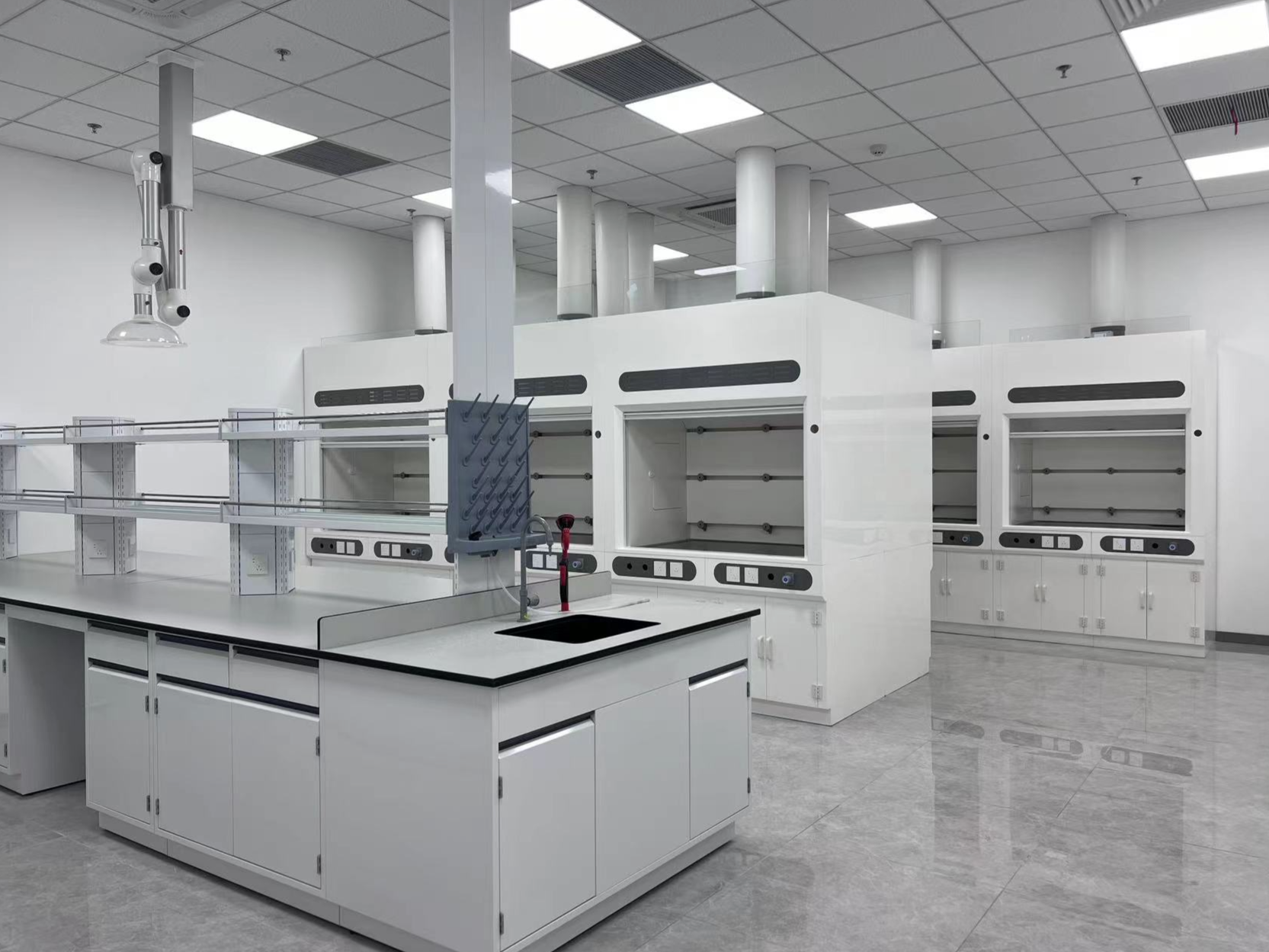
Ventilation Hood
Medicine Cabinet
Lab Bench
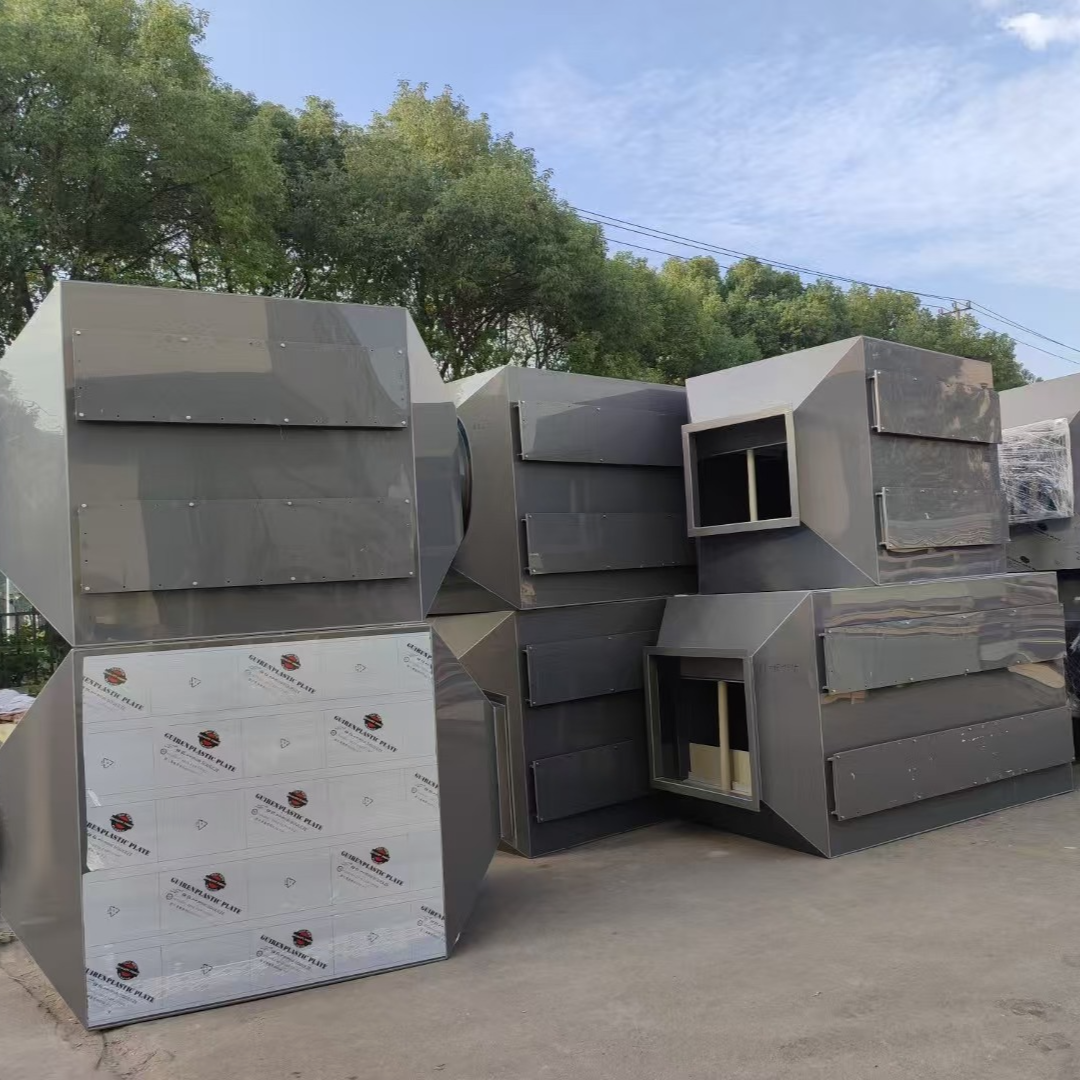
PP Carbon Box
PP Blower
PP Waste Gas Treatment Equipment
PP Acid-Base Cabinet
PP Spray Tower
PP Ventilation Pipe


Recommended Products
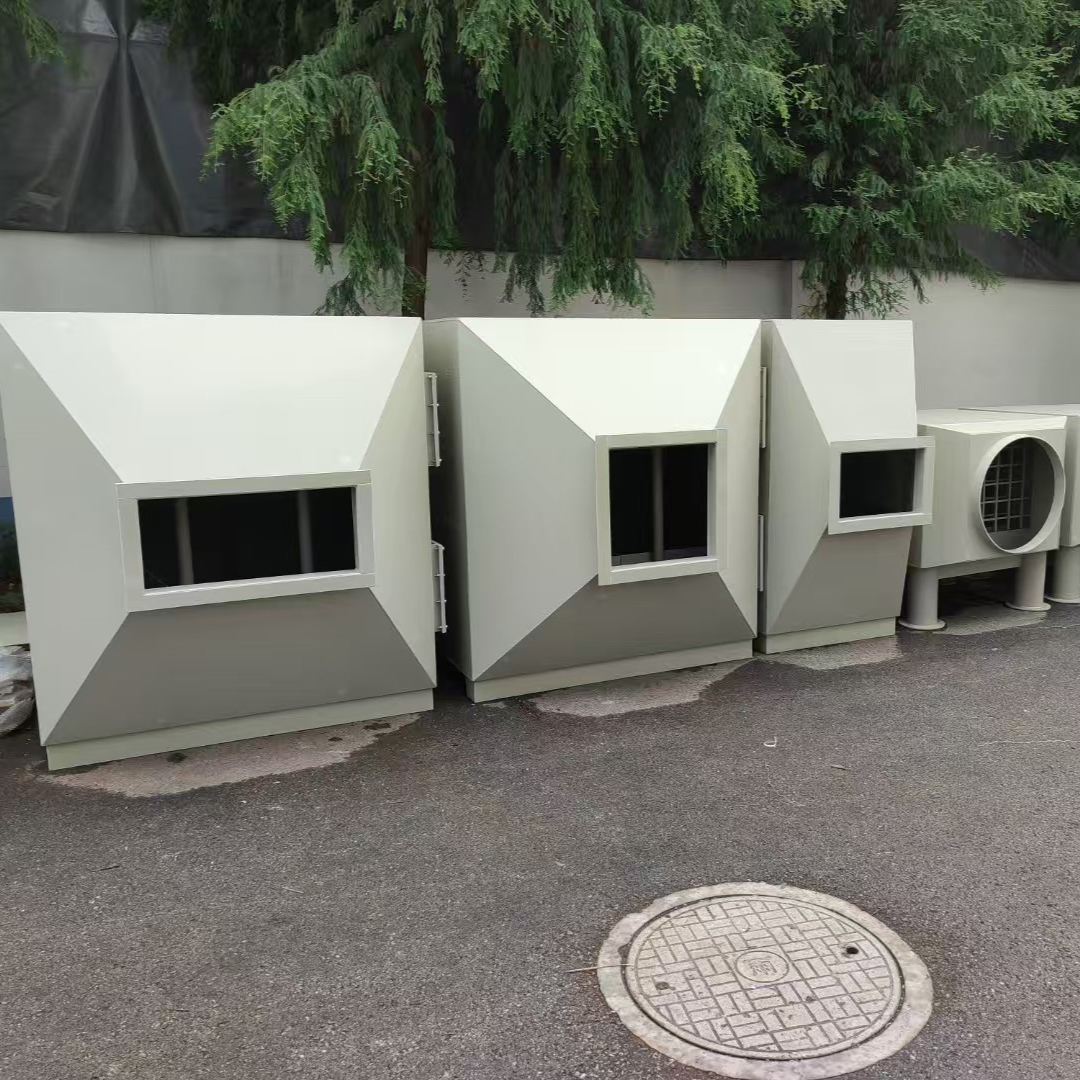
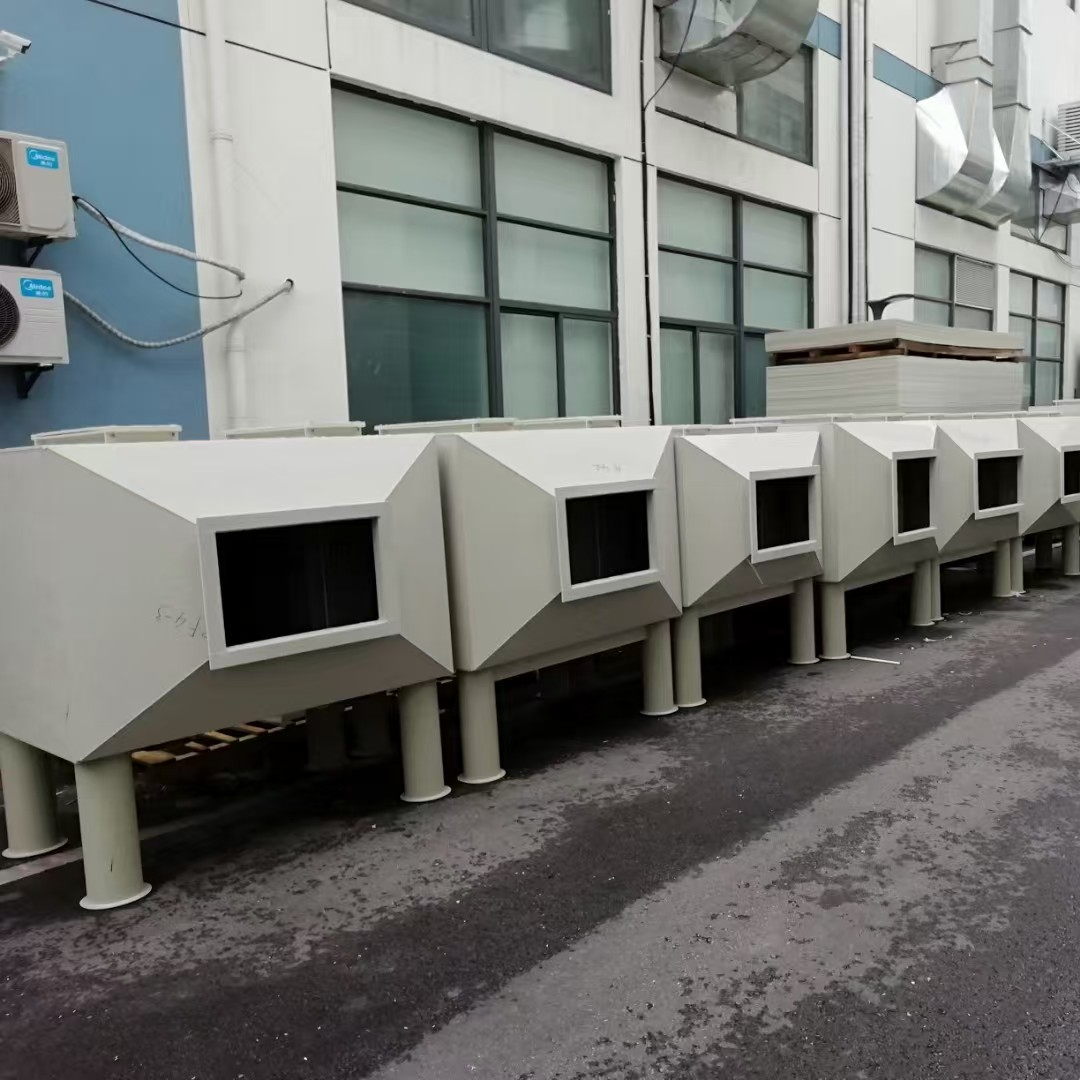
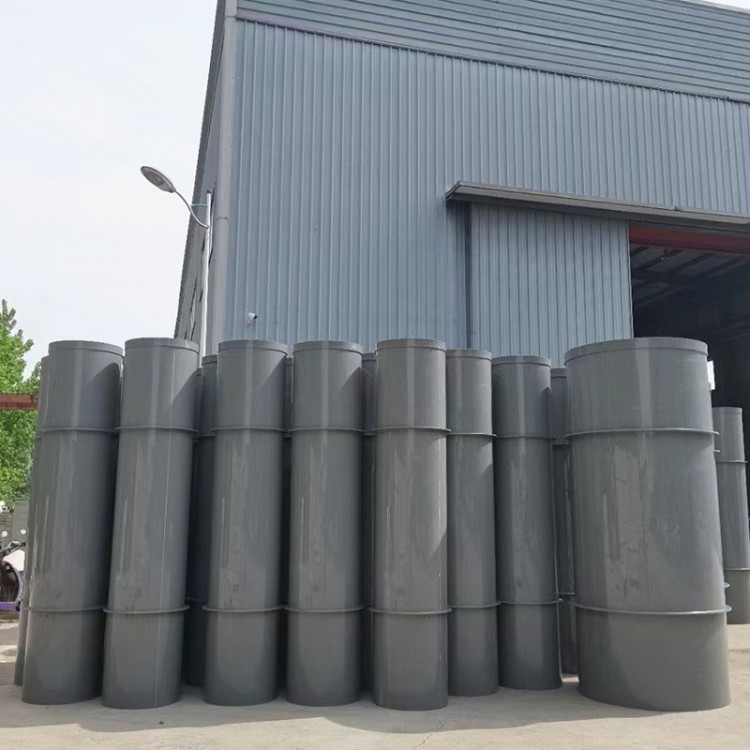
详情描述
One,Overall Material:
8-10mm thick PP sheets, UV-resistant, aging-resistant、High resistance to strong acids, alkalis, and corrosion.
II. Performance Features:
Activated carbon uses a mixture of cylindrical granular carbon and SDG adsorbent, offering high adsorption efficiency; the equipment has a compact structure, occupies minimal space, and is easy to maintain and manage; capable of simultaneously treating various mixed organic waste gases; designed with automatic control operation, simple and safe to handle; fully enclosed, suitable for both indoor and outdoor use; highly resistant to aging and corrosion.
III. Working Principle:
A PP Adsorption Box is a dry waste gas treatment equipment, consisting of a housing and adsorption units filled within. It comes in multiple specifications based on the number of adsorption units and air volume. Utilizing the high adsorption power of activated carbon, combined with the function of a fan, it effectively adsorbs organic waste gas molecules, showing excellent adsorption properties for organic solvents such as benzene, alcohol, ketones, esters, and gasoline.
Section 4: Activated Carbon Replacement
1. Replacement Time: Users should replace the activated carbon promptly after it becomes saturated with adsorption. Generally, replacement is recommended every 3 months or so; however, the replacement schedule may vary depending on the frequency of use, operating conditions, and concentration for different customers.
2. Replacement Method:
Step 1: Turn off the exhaust system power and disconnect usage.
Step 2: Loosen the stainless steel screws on the drawer lid cover
Step 3: Open the drawer, remove the used activated carbon, package it, and hand it over to a qualified solid waste disposal facility for processing.
Step 4: Place new activated carbon, insert into the carbon box, and secure the screws.
Step 5: Power on for trial operation; the equipment can be put into use if there are no abnormalities.


