




- AllProduct Category
-
Ventilation Hood
Medicine Cabinet
Lab Bench
PP Carbon Box
PP Blower
PP Waste Gas Treatment Equipment
PP Acid-Base Cabinet
PP Spray Tower
PP Ventilation Pipe



Recommended Products
详情描述
PP Duct
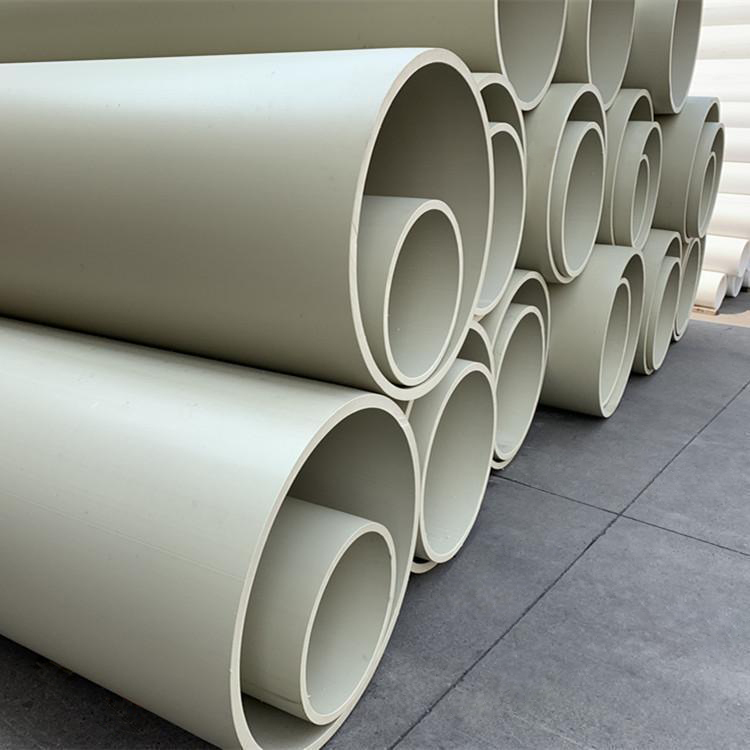
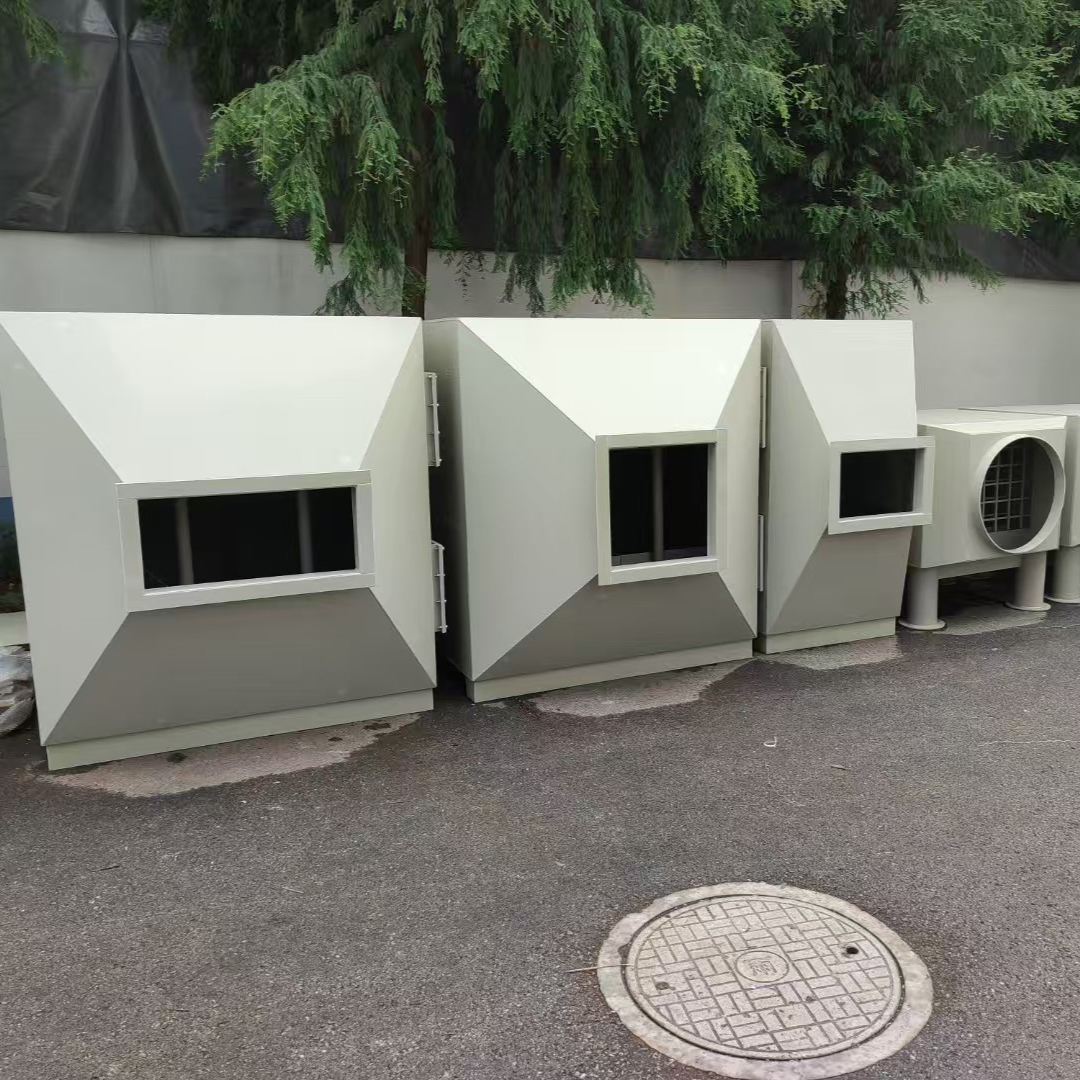
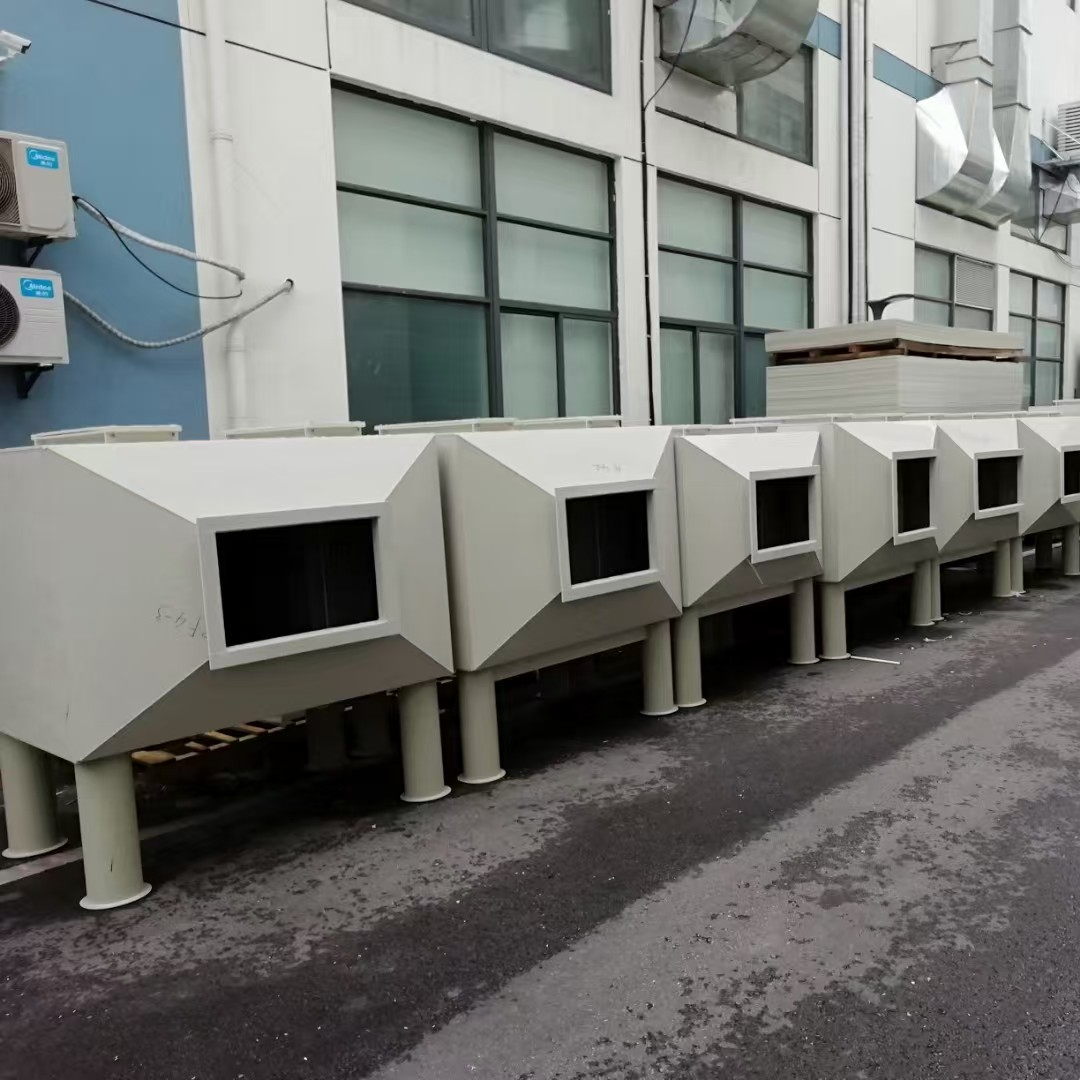
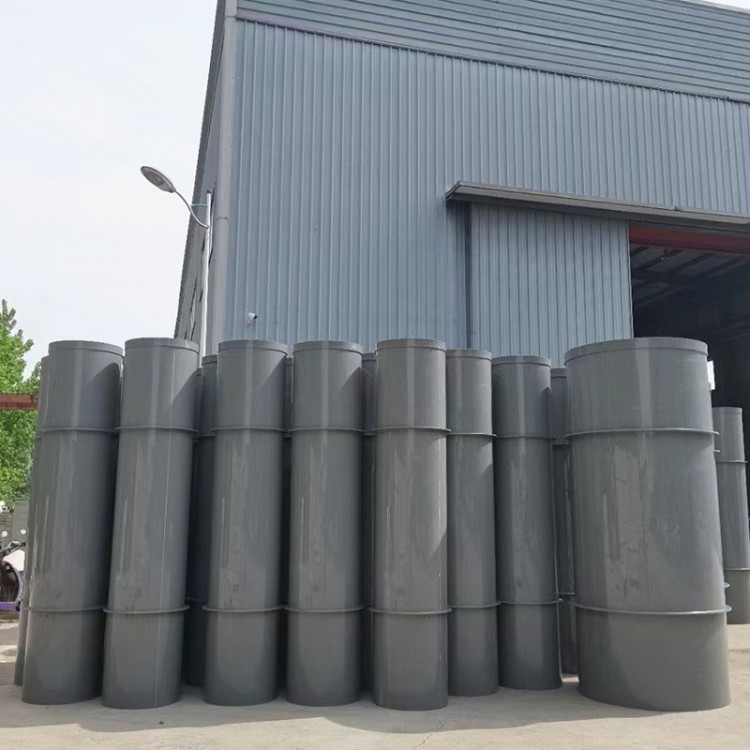
PP ducts are plastic piping manufactured by extrusion molding of polypropylene (PP) resin. Their core value lies in utilizing the inherent excellent chemical resistance of PP material to address the issue of traditional metal ducts (such as galvanized iron sheet, stainless steel) being prone to rust, puncture, and having a short lifespan in corrosive environments.
PP piping can withstand corrosion from most acids, alkalis, and organic solvents (such asHydrochloric AcidSulfuric AcidNitric Acid、Sodium Hydroxide(Alcohol, etc.), with a lifespan far exceeding that of metal pipes, and is particularly suitable for environments such as chemical processing, electroplating, and laboratories. The density of PP material is significantly lower than that of metal, making PP ducts extremely lightweight. This results in easier transportation, handling, and installation processes, effectively reducing installation costs and labor intensity. Smooth interior wall, low friction resistance - The interior wall of PP pipes is extremely smooth, which makes it difficult for dust to adhere and reduces fluid resistance. This means that under the same power of the fan, a larger air volume can be achieved, or a smaller fan power is required to achieve the same air volume, leading to greater energy savings.
PP material is easily connected via hot melt welding, offering high strength at the joints, excellent sealing, and almost seamless finish. Special flanges are also available for connection. Repair and replacement are very convenient in case of localized damage.
Section 3: Main Types
According to structure and application, PP ducts are mainly categorized into:
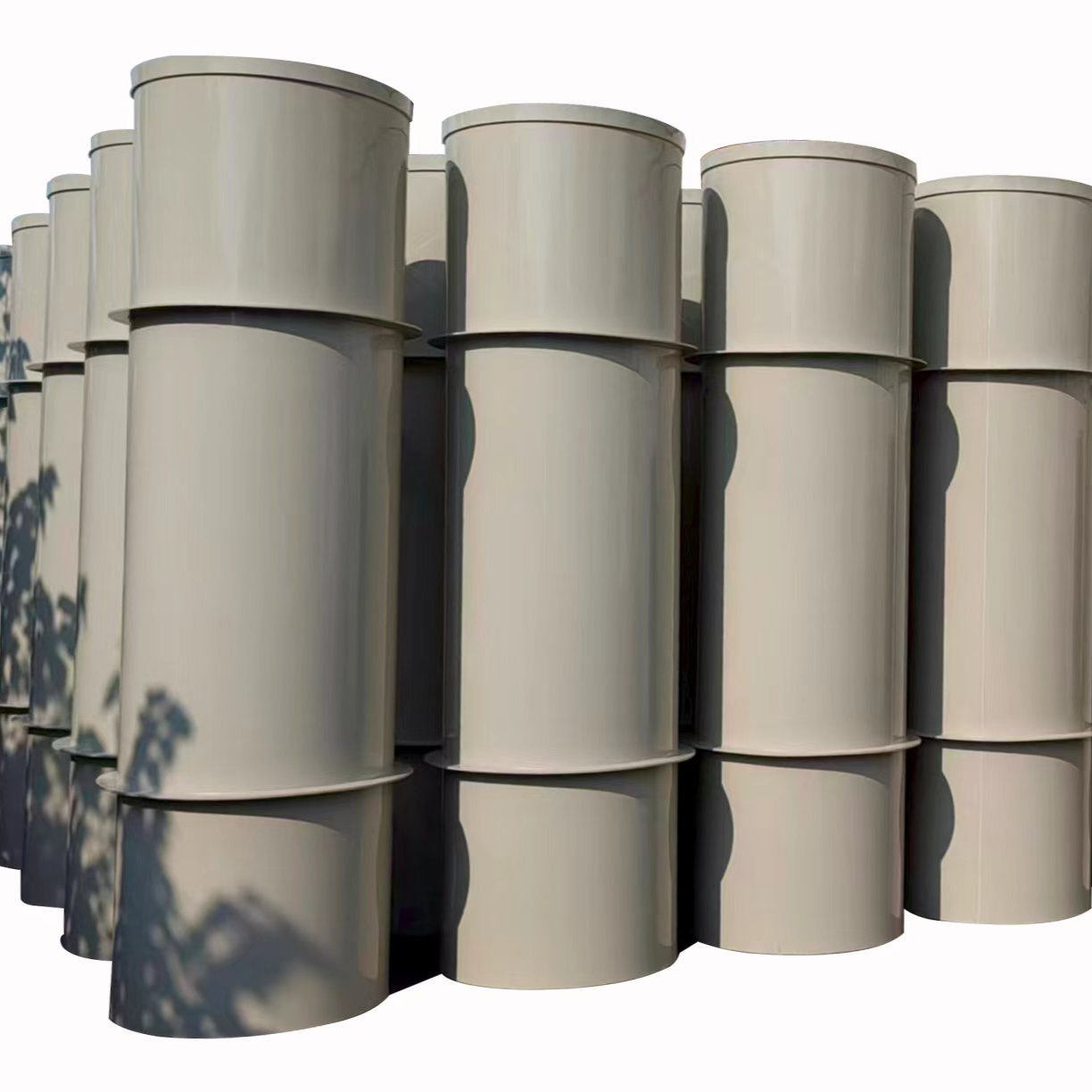
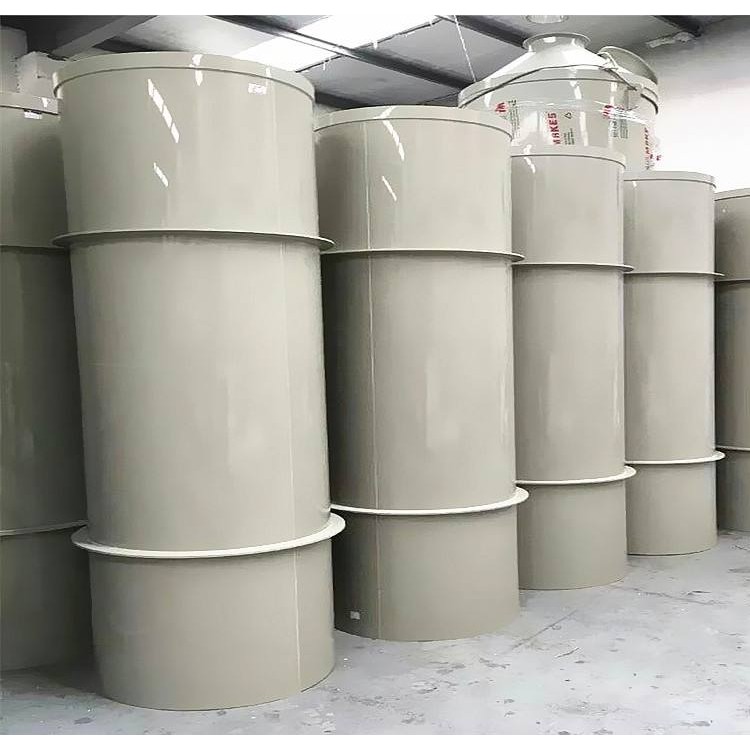
PP Round Duct (Straight Pipe)
The most common form is the circular cross-section, with specifications ranging from several tens of millimeters to over a thousand millimeters. It boasts excellent aerodynamic performance and is the most frequently used type.
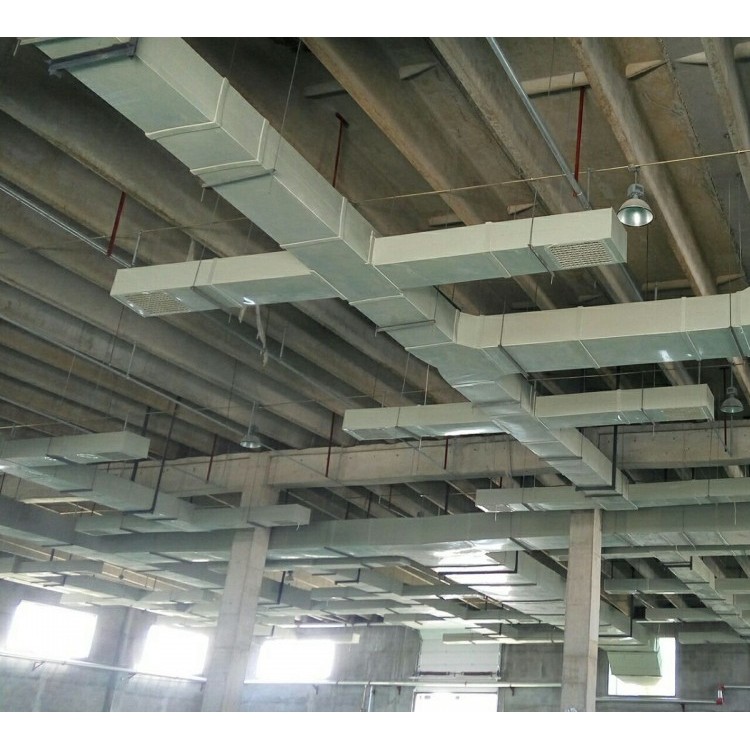
PP Square Duct (Rectangular Duct)
When installation space height is limited, rectangular ducts are used, which can make more efficient use of the space.
PP Reducing Fittings / reducers
Used for connecting ventilation pipes of different diameters.
PP Elbow/Elbow Pipe
Used to alter the direction of ventilation ducts, commonly available in 90° and 45° elbows.
PP Tee/Four-way Tee
Fork or manifold for ventilation ducts.
PP Air Valve: Used for adjusting the air volume in ventilation systems.
Four: Connection Method
Hot Melt Welding (most commonly used):
Utilize specialized PP welding torch and rods to heat and melt the pipe materials and fittings together. The connection boasts high strength and excellent sealing, almost becoming a single entity.
Flange Connection:
Welded PP flange at the tube end, then secured the two flanges together with bolts, with a sealing washer in between. Easy for disassembly and maintenance.
Sleeve and socket joint:
For small diameter pipes, the socket-and-spigot joint method can be used (PP-specific adhesive required).
In summary, the PP duct is the "expert" for solving the难题 of corrosive gas transmission. It excels in medium and low-temperature, highly corrosive conditions, and has become the standard ventilation pipeline material for chemical industries, laboratories, and other fields due to its lightweight, corrosion-resistant, and energy-saving advantages. However, when selecting, it is crucial to pay close attention to its temperature resistance limit and outdoor aging resistance issues.