
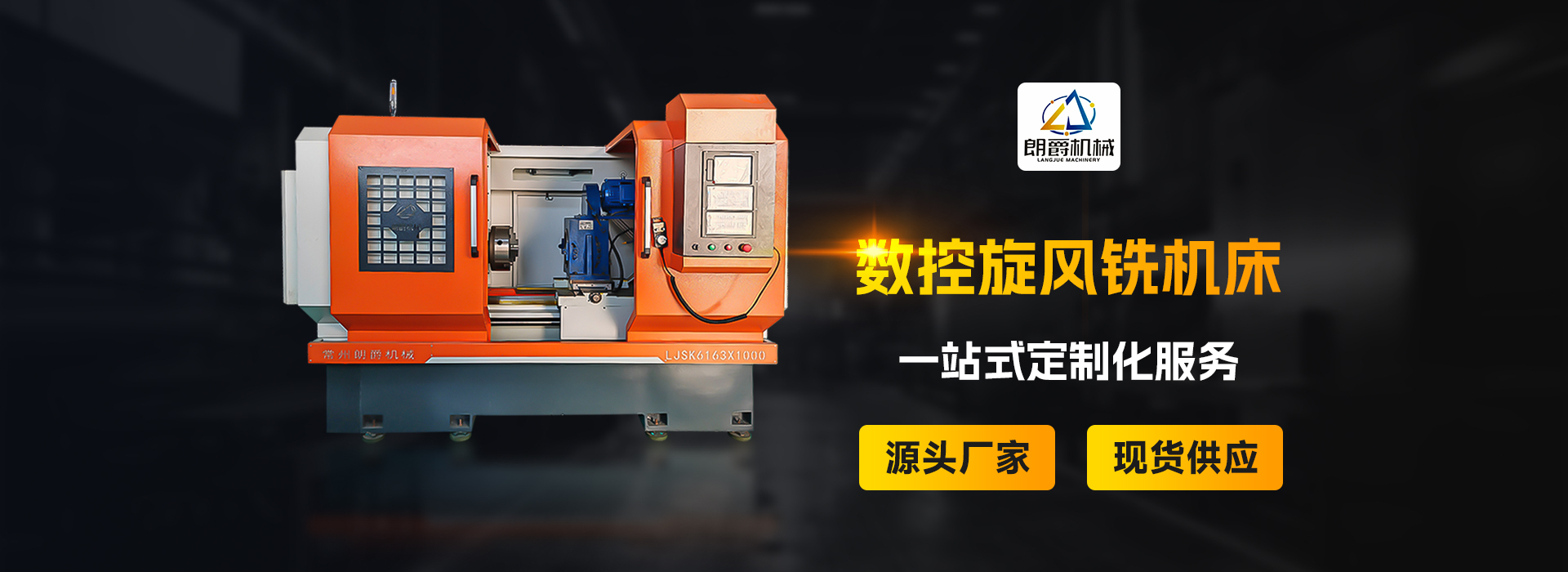
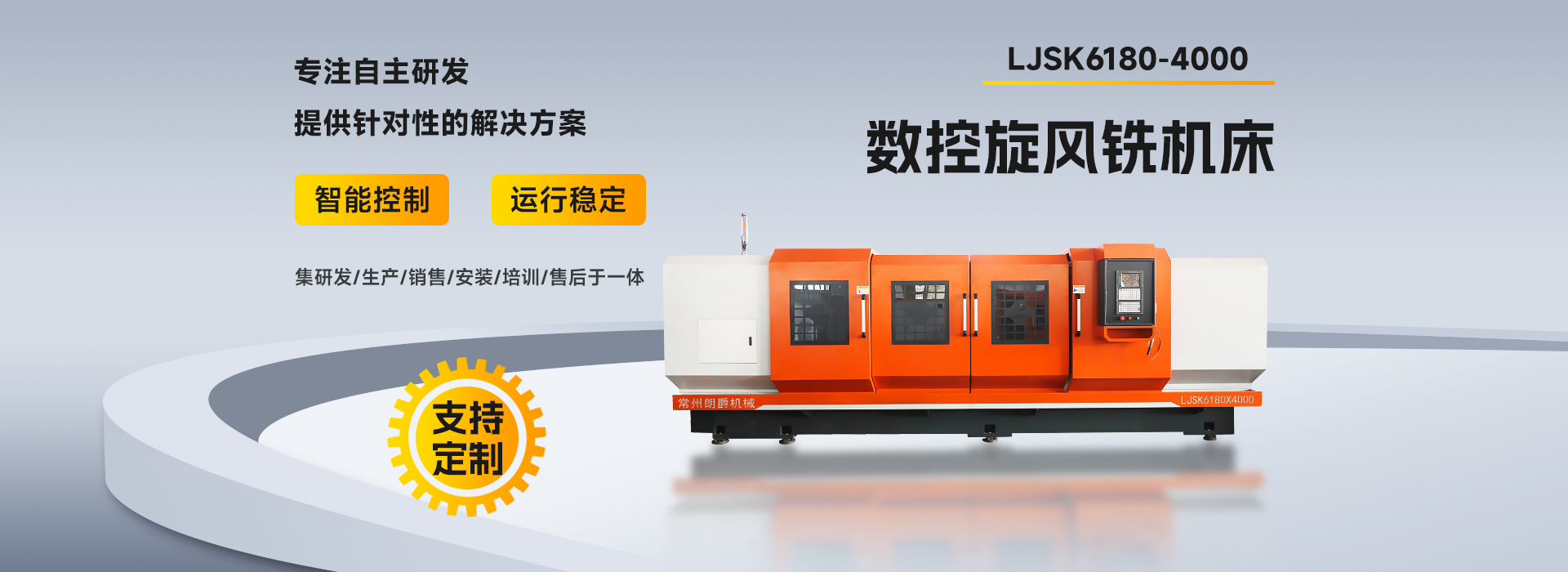
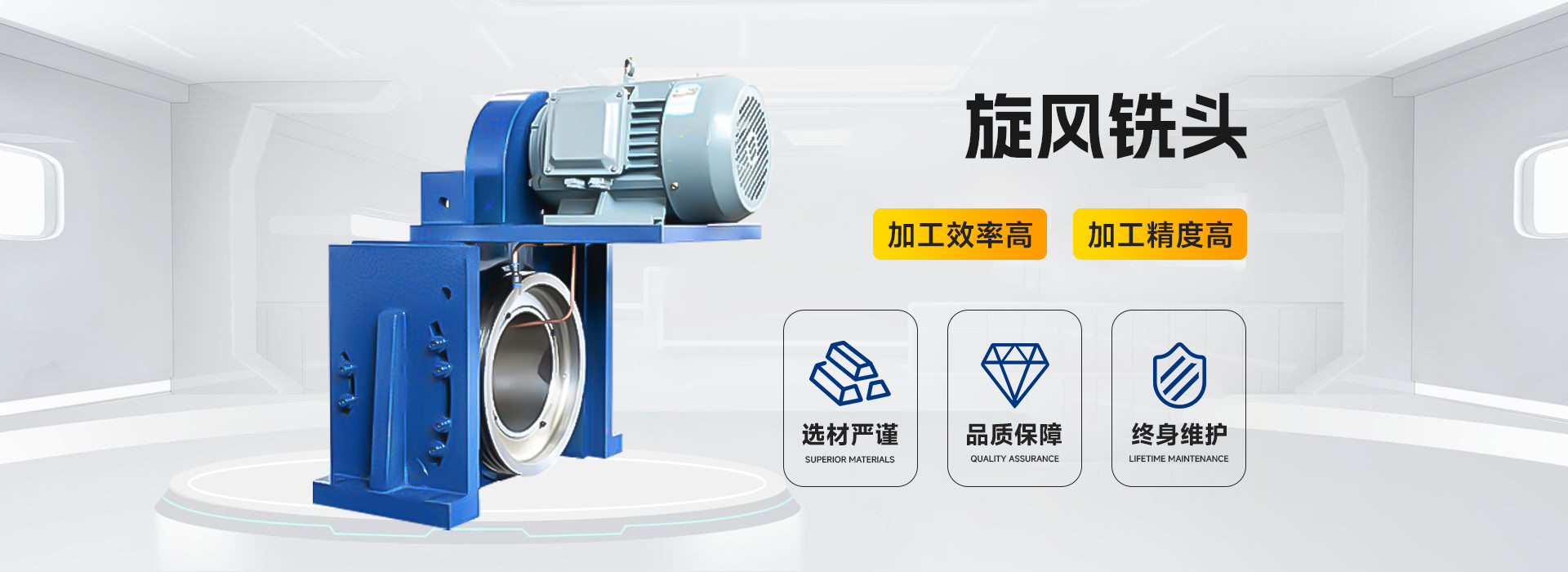
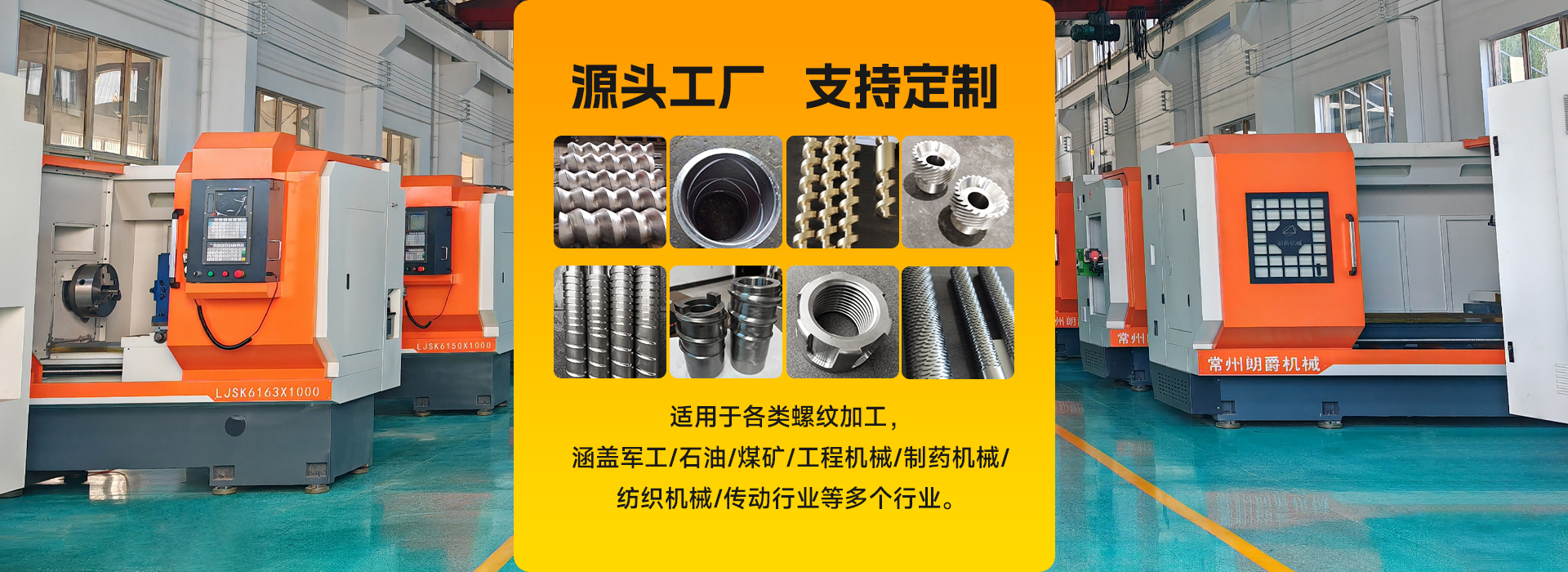

The Cyclone Milling Machine is a commonly used metalworking equipment used for milling operations on workpieces, which to some extent influences the processing quality and efficiency of the workpieces. Therefore, the supply of Cyclone Milling Machines must comply with industry specifications and standards to ensure equipment quality and processing effectiveness.
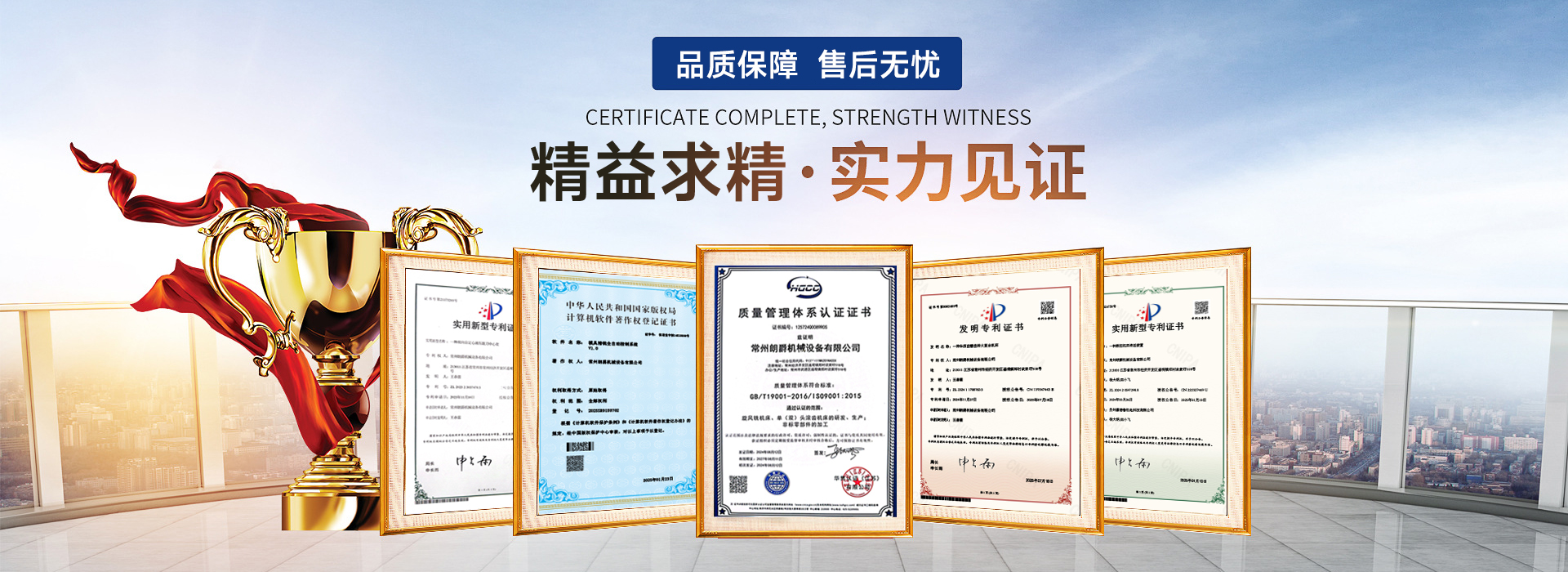
Firstly, the supply of the Cyclone Mill must comply with the relevant national industry standards and regulations. The country has specific standards and regulations concerning the safety, quality, and performance of metal processing equipment. Suppliers must meet these standards to produce and sell Cyclone Mill equipment. These standards encompass aspects such as mechanical structure design, electrical safety design, lifespan requirements, and process performance, which suppliers must strictly adhere to to ensure the equipment's qualification. Additionally, suppliers must obtain the relevant production licenses and quality certifications to ensure the quality and reliability of the equipment.
Next, the supply of the Cyclone Milling must comply with the industry's technical standards and requirements. The metalworking industry is a highly technical field, where the performance of equipment directly impacts processing efficiency and quality. Therefore, suppliers of the Cyclone Milling must possess advanced production technology and process levels, capable of manufacturing equipment that meets processing demands. Parameters such as the tooling rotational speed, feed rate, and processing accuracy of the Cyclone Milling equipment must align with the requirements of the workpiece processing; otherwise, it will affect the processing outcome. Suppliers must continuously pursue technological innovation and improvement to meet market demands and competition.
Additionally, the supply of the Cyclone Mill must align with market demands and customer requirements. The Cyclone Mill equipment is widely used in industries such as automotive, aerospace, shipping, and mechanical manufacturing, where customers have varying needs for performance, quality, and pricing. Suppliers must continuously improve products based on market demands and customer feedback, enhancing both equipment performance and quality. They must also pay attention to after-sales service and technical support to meet customer needs. Only by meeting market demands can companies maintain competitiveness and market share.
In summary, the supply of whirlwind milling equipment must comply with industry regulations and standards, not only to ensure the quality of the equipment and processing outcomes but also to enhance market competitiveness and strengthen corporate growth. Suppliers must prioritize quality management and technological innovation, as compliance with standards is crucial for sustained development and market success. We hope that whirlwind milling suppliers in the future will adhere to the principle of quality first, continuously enhance their capabilities, and make greater contributions to the industry's development.
