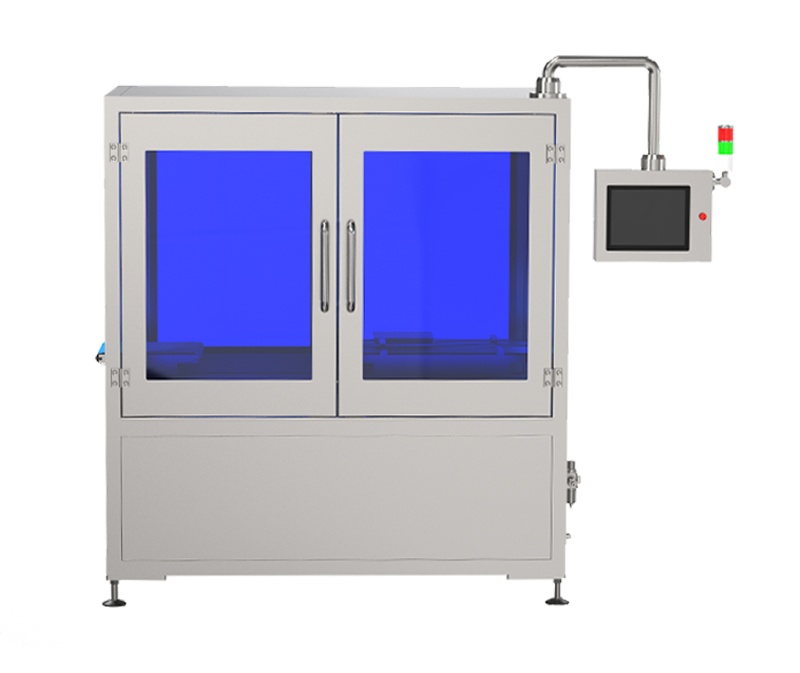
Labeling machines are a common logistics equipment, widely used in industries such as logistics storage, food and beverage. The details of proper use of labeling machines are crucial, as they can enhance work efficiency and quality, as well as increase the lifespan and safety of the equipment. Below are some details to note when using labeling machines.
Preparation ahead of time
Before using the labeling machine, ensure that both the equipment and labels are ready. Check if the labeling machine is in normal working condition, and that the labels are the correct specifications and model. Also, verify that the labels have sufficient adhesion and clear printing.
2. Labeling Machine Setup
Set the parameters for the labeling machine according to your requirements. This includes label size, print content, font size, and print speed, etc. Ensure that the settings match your actual needs to avoid labeling errors or waste of resources.
3. Safe Operation
Labeling machines are precision equipment that require safety precautions during operation. It is strictly prohibited to insert fingers or other objects into the machine to prevent injury. Additionally, when the labeling machine is in use, it is advisable to avoid placing other objects nearby to prevent interference with operation and accidental injury.
4. Operational Details
When operating the labeling machine, pay attention to the following details:
Place the labels in the correct position. Position them on the label disk or label paper of the labeling machine, ensuring an appropriate number of labels—neither too many nor too few.
- Adjust label placement. Depending on your needs, you can adjust the position of the label header to center the printed label or modify the tension of the label to ensure accurate and stable application.
Keep the printing area clean. Avoid dust or impurities from entering the printing area, as this may lead to reduced print quality or equipment malfunctions.
Regular maintenance and cleaning are essential. Depending on usage frequency and working environment, regularly clean all parts of the labeling machine, including the applicator head, pressure roller, sensors, etc. This helps to enhance the lifespan of the equipment and improve print quality.
5. Learning Troubleshooting
In the event of a labeling machine malfunction, promptly investigate and resolve the issue. If the labeling machine is not functioning properly, consider the following aspects:
- Are the power and connection cables properly connected?
Are the number of labels exceeding the larger capacity specified by the labeling machine?
- Is there any paper jam or abnormal waste?
- Is the print head in need of cleaning or replacement?
6. Regular Maintenance
Regular maintenance and upkeep are crucial for the smooth operation of labeling machines. A maintenance schedule should be tailored based on the frequency of use and working environment of the machine. This includes cleaning dust and debris, inspecting the wear and tear on power and connection cables, replacing or adjusting the print head, and checking the sensitivity and stability of sensors. Regular maintenance can extend the lifespan of the equipment and ensure consistent labeling quality.
7. Training and Operational Standards
Before operating the labeling machine, relevant training and study of operation specifications are required. Different models and brands of labeling machines may have varying usage methods and precautions. Familiarizing oneself with the operation steps and safety regulations can enhance the efficiency of labeling machine use and reduce operational errors.
Labeling machines play a crucial role in the logistics and production process. Proper use and maintenance of labeling machines can enhance work efficiency and quality, reduce waste and malfunctions, and ensure employee safety. Paying attention to these details will enable labeling machines to operate at their best.