
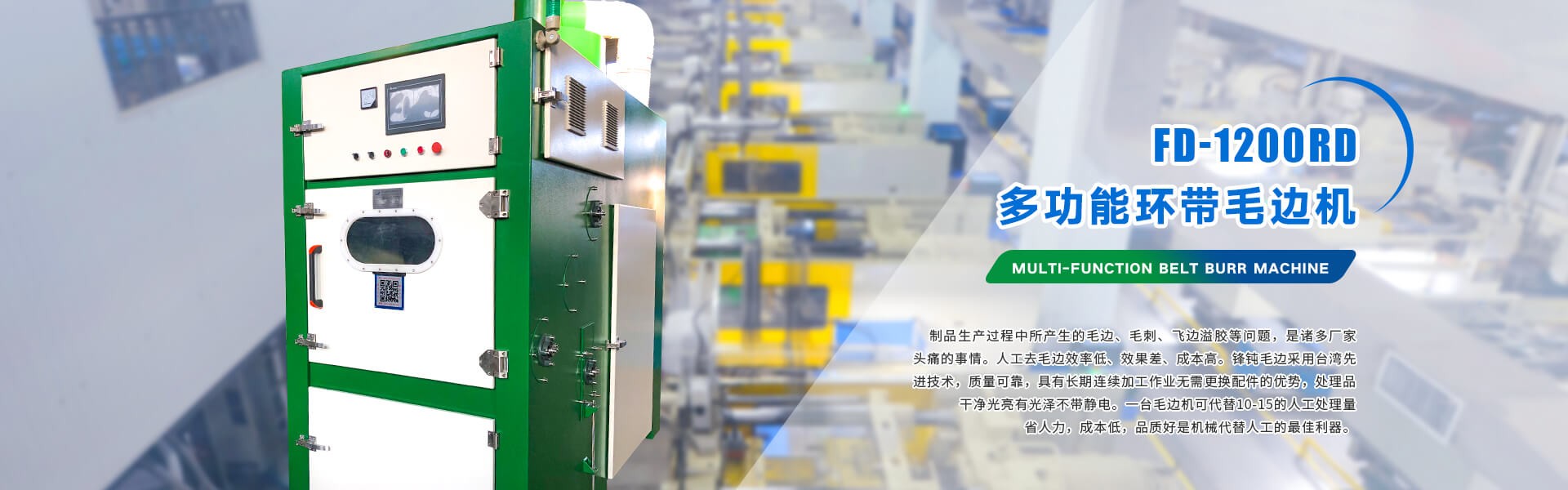
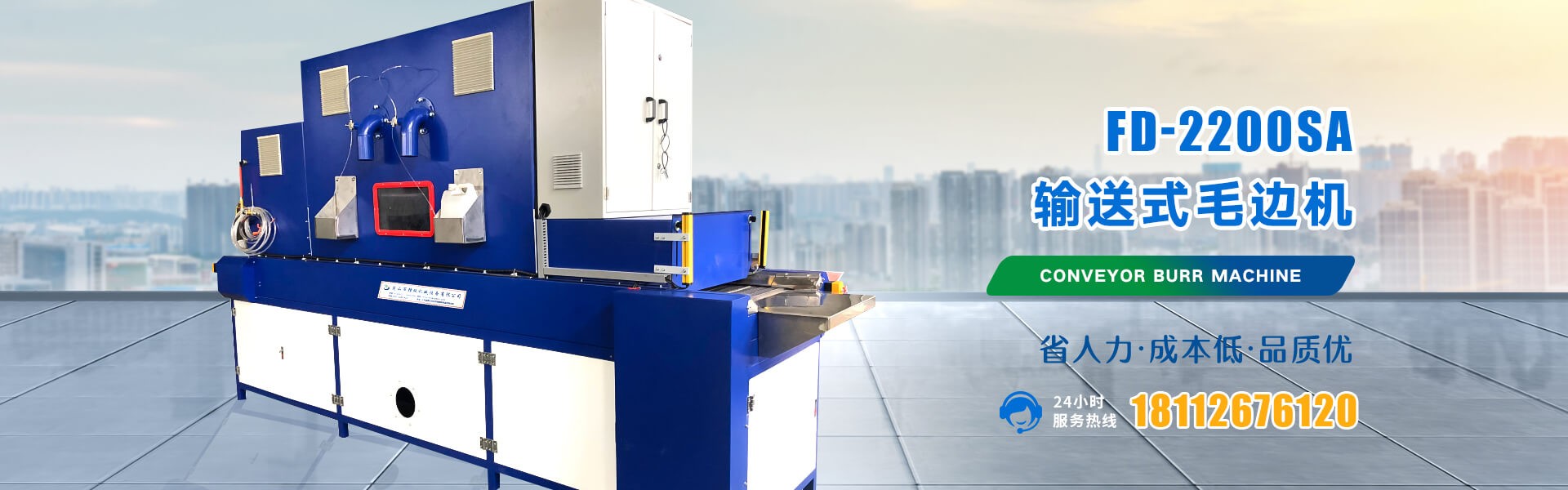
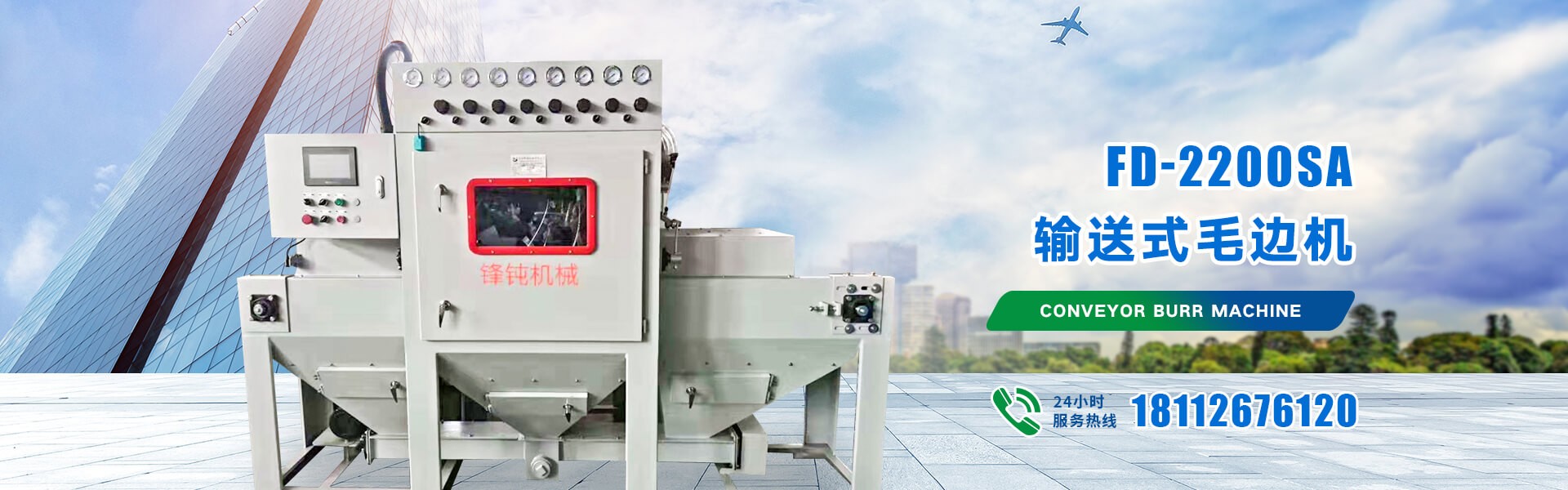

The sandblasting machine falls under the category of air conveying machinery.
The process involves utilizing compressed air within pipelines to transport powdered particles (diameter 1~4mm) from one location to another. During the conversion of kinetic energy to potential energy, the high-speed sand particles abrade the surface of the object, thereby improving its surface quality.
What factors can affect the sandblasting effect of a sandblasting machine?
Surface Roughness of Workpiece
Factors affecting the surface roughness include the strength and hardness of the part material, the diameter of the sandblasting, the angle and speed of sandblasting, and the original surface roughness of the part.
Under the same conditions, the higher the strength and surface hardness of the part material, the more difficult the plastic deformation becomes, resulting in shallower indentation and a smaller surface roughness value. The smaller the diameter and slower the speed of sandblasting, the shallower the indentation and the smaller the surface roughness value. A larger blasting angle and a smaller normal component of the sandblasting speed lead to less impact force, shallower indentation, and a greater tangential speed of sandblasting, which enhances the abrasive effect on the surface, resulting in a smaller surface roughness value.
The original surface roughness of the parts is also a contributing factor; the rougher the original surface, the less the surface roughness value decreases after sandblasting; conversely, a smoother surface becomes rougher after sandblasting. After high-intensity sandblasting, deep craters not only increase the surface roughness value but also cause significant stress concentration, severely diminishing the effectiveness of the sandblasting strengthening.
2. The sandblasting intensity of the sandblasting machine
Key process parameters affecting the sandblasting intensity include: sandblasting diameter, sandblasting velocity, sandblasting flow rate, and sandblasting time. The larger the sandblasting diameter and the faster the speed, the greater the momentum of the sandblasting as it collides with the workpiece, resulting in higher sandblasting intensity. The residual compressive stress formed by sandblasting can reach 60% of the tensile strength of the part material, with the depth of the residual K stress layer typically reaching 0.25mm, and the maximum value being 1mm.
The sandblasting intensity requires a certain amount of sandblasting time to ensure, and after a certain period, the sandblasting intensity reaches saturation. Extending the sandblasting time further does not result in a significant increase in intensity.
3. Sandblasting Coverage
Coverage Measurement: Apply a colored glaze or fluorescent glaze to the workpiece surface, then sandblast the workpiece according to process parameters. After a single sandblasting, remove the workpiece and observe the percentage of the remaining coating on the surface under a microscope (magnifying glass). If the remaining coating is 20%, the sandblasting coverage rate is 80%.
At a 2% residue, or 98% coverage, it is considered fully cleaned, equating to 100% coverage. At this point, there is a required time. If a coverage of 400% is reached, it would require four times the required time.
Factors affecting the coverage rate include part material hardness, sandblasting diameter, jet angle and distance, and sandblasting time. Under the specified sandblasting intensity, the part's hardness is lower than or equal to the standard specimen hardness, the coverage rate can reach 100%; otherwise, the coverage rate will decrease.
At the same sandblasting flow rate, the longer the distance between the nozzle and the workpiece, the smaller the angle of the jet, and the smaller the sandblasting diameter, the shorter the time it takes to meet the coverage requirements. During sandblasting reinforcement, it is important to select the appropriate sandblasting size, jet angle, and distance to achieve both the desired intensity and coverage simultaneously.
