



1. Utilizing Conductive Materials: When designing and selecting Fluorine-lined equipment, consider using materials with good conductivity, such as carbon steel and stainless steel, to enhance the equipment's conductivity and reduce static buildup.
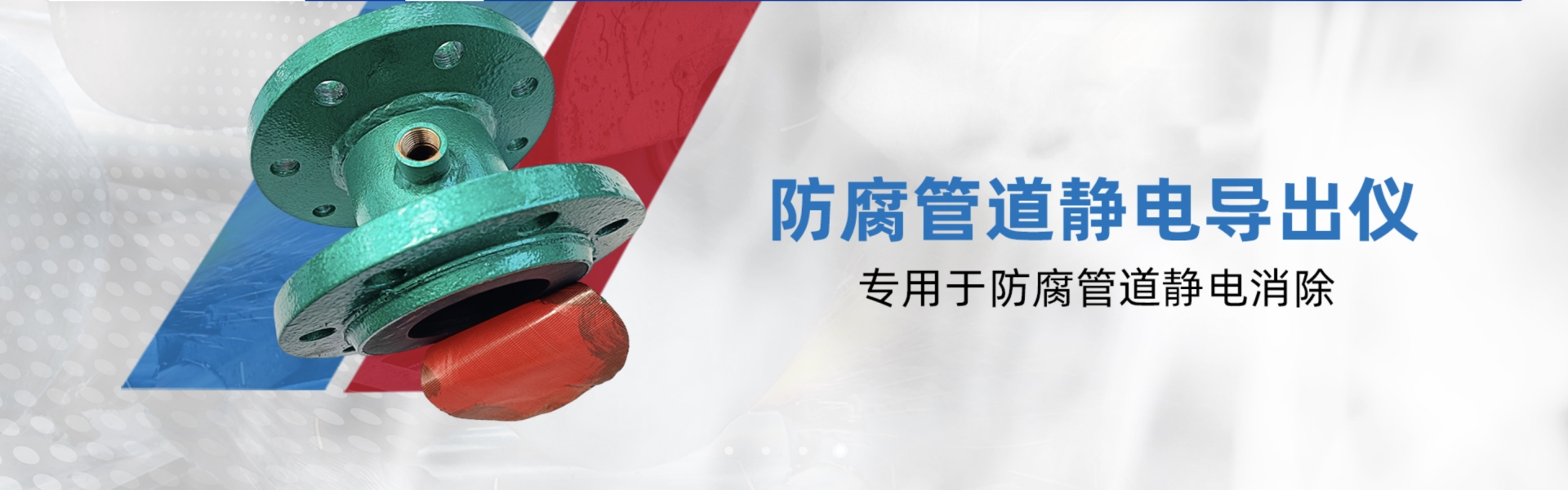
Ensure proper grounding of equipment and related pipes, valves, and other metal components. Grounding helps to dissipate static electricity into the ground, reducing the accumulation and release of static, thereby minimizing its impact on fluoroelastomer equipment.
Static Dissipative Coating: Applying a static dissipative coating to the surface of fluoro-lined equipment can effectively reduce the accumulation and release of static electricity, minimizing the impact of static on the equipment.
4. Regular Inspections: Conduct regular checks on the grounding, conductivity, and antistatic coating condition of equipment to ensure the effectiveness and reliability of the antistatic measures for fluoro-lined equipment.
5. Prevent Friction: When operating fluoroelastomer equipment, avoid friction or collisions to minimize the generation of static electricity. Measures such as reducing the use of static-sensitive clothing by operators and employing anti-static tools can help reduce static electricity.
In summary, by selecting conductive materials, ensuring proper grounding, applying antistatic coatings, avoiding friction, and conducting regular inspections, the generation of static electricity in fluoroelastomer equipment can be effectively prevented, thereby reducing the impact of static electricity on both equipment and operators. When using fluoroelastomer equipment, it is crucial to prioritize antistatic measures to ensure both equipment and operator safety.
News Dynamics Corporation
