



During the chemical production process, both solid, liquid, and gaseous materials can generate static electricity due to processes such as friction, flow, filtration, and stirring. If these static charges accumulate to a certain extent in equipment or pipelines, they may cause arcs, sparks, or even explosions, posing a serious threat to production safety. Particularly when handling flammable and explosive media, the hazards of static electricity are even more pronounced. The main reasons for anti-static requirements in fluorine-lined equipment are as follows:
I. Characteristics of Fluorine-lined Equipment
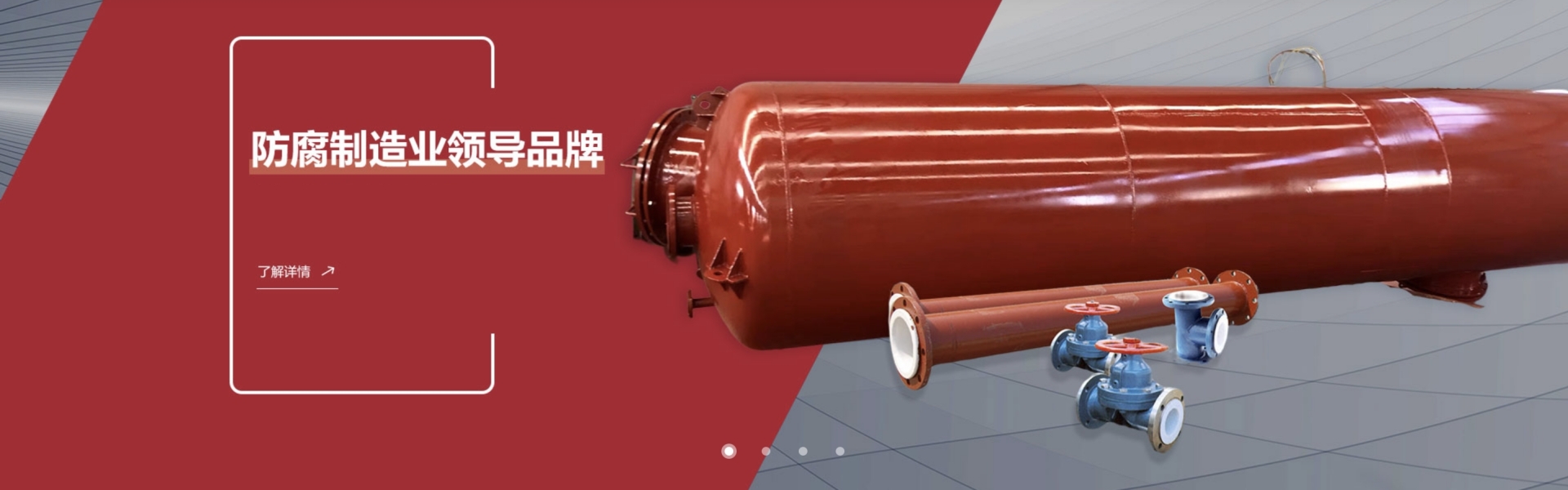
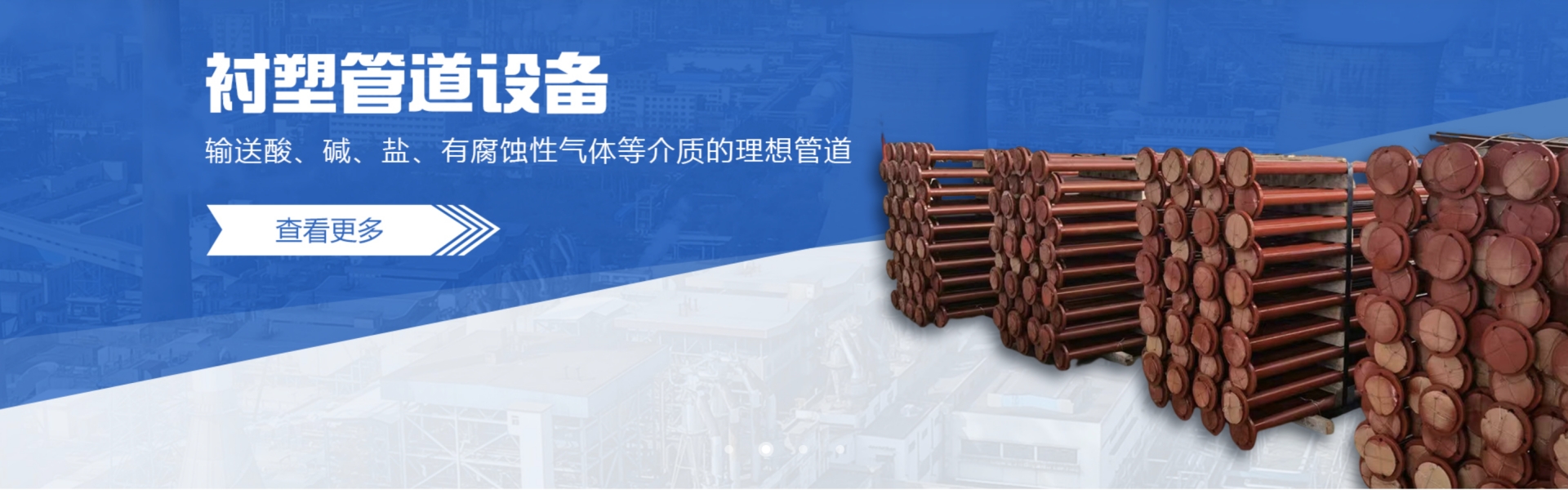
Fluorine-lined equipment, such as fluorine-lined storage tanks and pipelines, is commonly used for storing and transporting corrosive media. Its primary material (PTFE) boasts excellent corrosion resistance and high-temperature stability, yet it is also an outstanding insulator with very low conductivity. This means that fluorine-lined equipment itself is not prone to conduct static electricity, thereby increasing the risk of static accumulation.
The Necessity of Anti-Static
As previously mentioned, static accumulation can lead to safety hazards such as fires or explosions. Therefore, anti-static treatment of fluorine-lined equipment is one of the crucial measures to ensure production safety. Static discharge can also cause damage to equipment, such as piercing insulation layers and damaging electronic components. Anti-static treatment can effectively extend the lifespan of the equipment. Static interference may also affect the normal operation of the equipment and the stability of the automation control system. Reducing static interference can enhance production efficiency and product quality.
III. Anti-static Measures
In response to the antistatic requirements for fluoroelastomer equipment, the following measures can be taken:
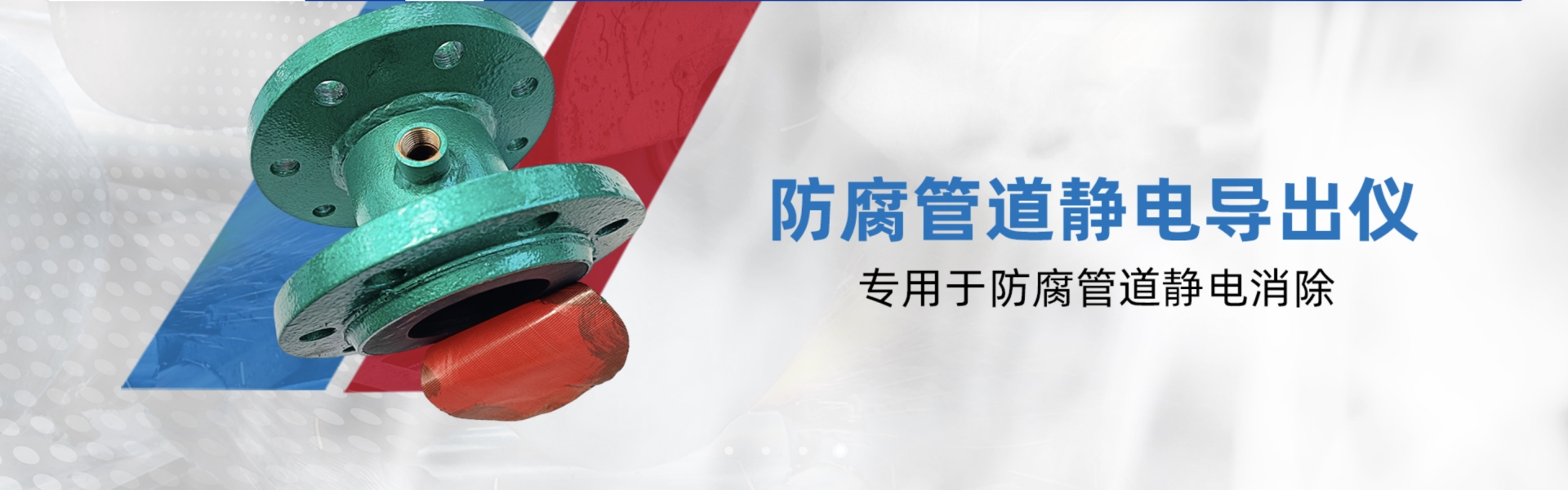
1. Grounding Treatment: Connect the metal shell or other conductive parts of the fluoro-lined equipment to the grounding system in the production workshop, ensuring that the ground potential of the entire system is the same. This allows for timely discharge of static electricity to the ground, preventing accumulation.
2. Utilizing Conductive Static Dissipative Materials: Install a conductive static dissipative layer inside fluorinated pipe or storage tanks, or use linings made from conductive static dissipative materials. These materials effectively conduct static charges, reducing the risk of static accumulation. For instance, the conductive static dissipative lining for PTFE pipes incorporates conductive materials like nickel carbon fibers into the PTFE lining material, enhancing its static dissipative capability.
3. Enhance Humidity: In specific environments, increasing air humidity can also help reduce the generation and accumulation of static electricity. This is because the higher humidity in the air allows water molecules to conduct electricity, thereby slowing down the accumulation of static charge.
In summary, the primary reason for anti-static measures in fluorine-lined equipment is to prevent safety accidents and equipment damage caused by static accumulation, ensuring both production safety and efficiency. By implementing appropriate anti-static procedures, the impact of static on fluorine-lined equipment can be significantly reduced.
