
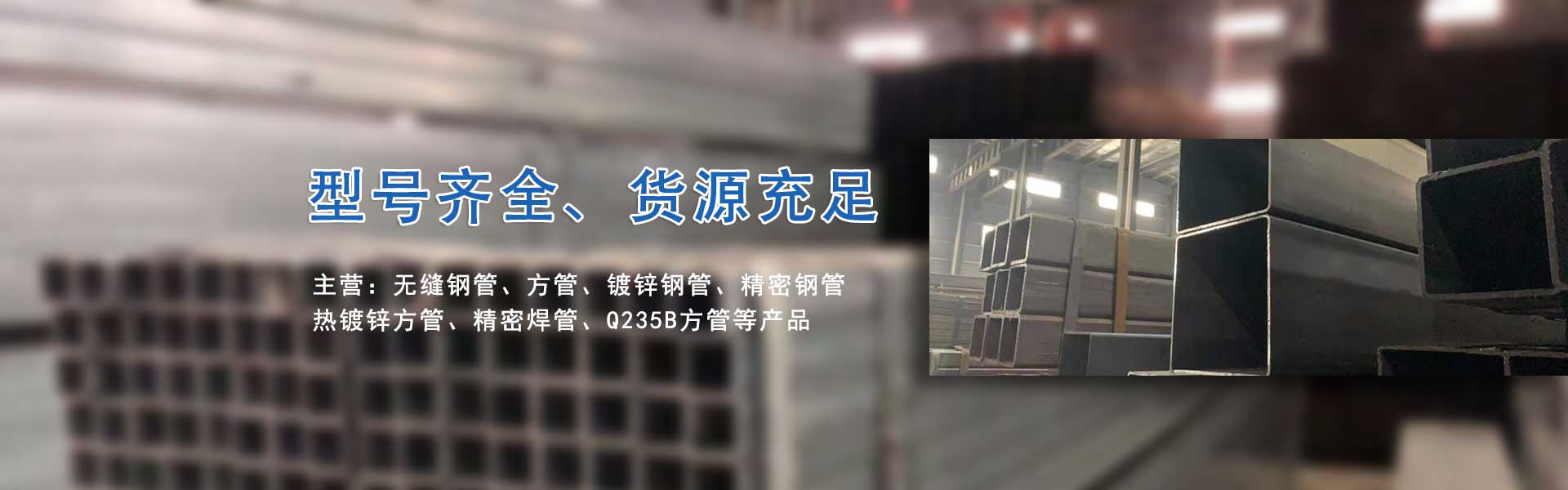
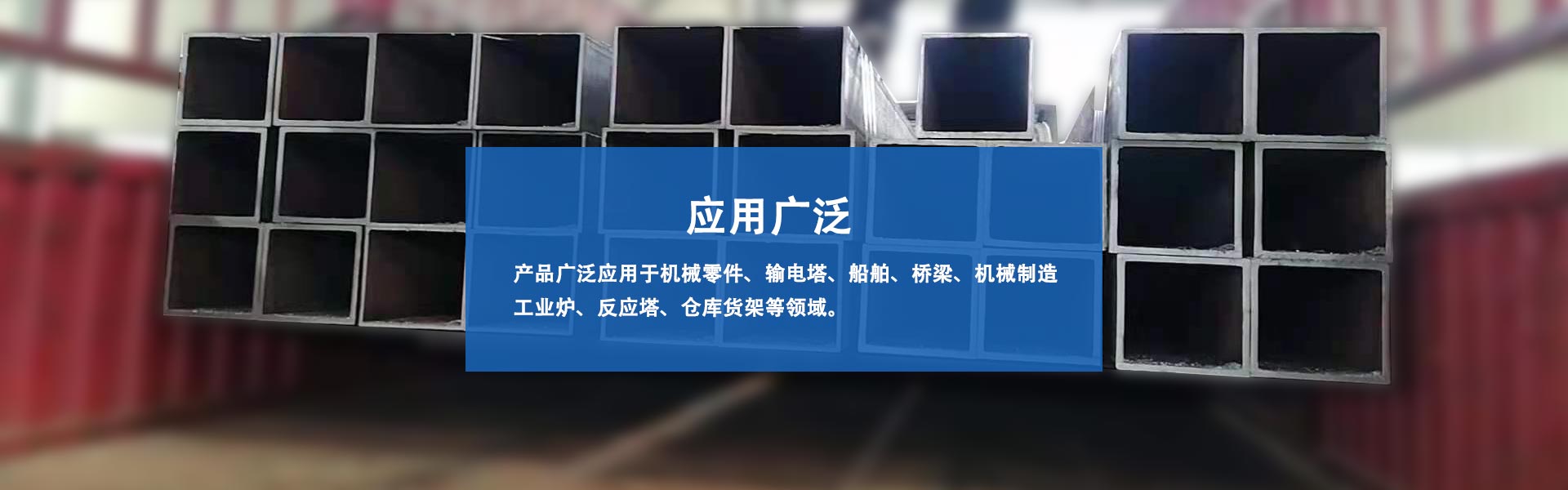


Welded steel pipes, also known as weld pipes, are钢管 manufactured by welding steel plates or strips after they have been rolled and shaped. The production process for welded steel pipes is simple, with high efficiency, a wide variety of specifications, and requires minimal equipment investment. However, their strength is lower than that of seamless steel pipes.
Welded steel pipes are categorized into straight seam and spiral seam pipes based on the type of seam. Straight seam pipes have a simple production process, high efficiency, low cost, and rapid development. Spiral seam pipes generally have higher strength than straight seam pipes, allowing for the production of larger diameter pipes with narrower billets and the ability to produce pipes of different diameters with the same width billets. However, compared to straight seam pipes of the same length, the spiral seam length increases, and the production speed is slower. Therefore, smaller diameter pipes mostly use straight seam welding, while larger diameter pipes typically use spiral seam welding.
Welded Steel Pipe Execution Standards
Welded Steel Pipes for Low-Pressure Fluid Transportation (GB/T3092-1993) / Galvanized Welded Steel Pipes for Low-Pressure Fluid Transportation (GB/T3091-1993) / Steel Wire Conduit for General Carbon Steel (GB3640-88) / Seamed Welded Steel Pipes (YB242-63) / Spiral Seam Submerged Arc Welded Steel Pipes for Pressure Fluid Transportation (SY5036-83) / Spiral Seam High-Frequency Welded Steel Pipes for Pressure Fluid Transportation (SY5038-83) / General Low-Pressure Spiral Seam Submerged Arc Welded Steel Pipes (SY5037-83) / General Low-Pressure Spiral Seam High-Frequency Welded Steel Pipes (SY5039-83) / Spiral Seam Welded Steel Pipes for Piling (SY5040-83).
