


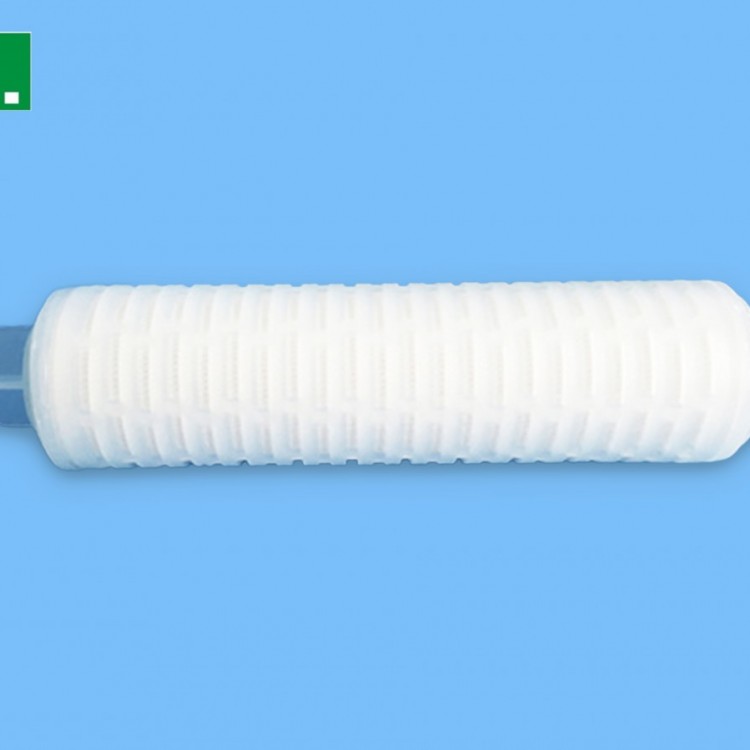
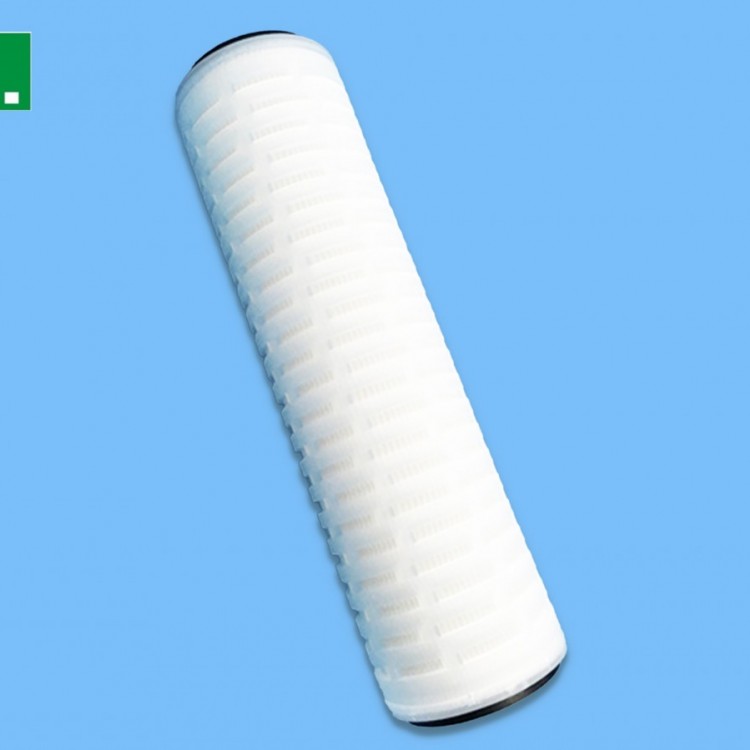
Spunbond Filter Core Size
The melt-blown filter cores come in various standard sizes, commonly including 2 inches, 4 inches, 6 inches, and 8 inches. Among them, the 2-inch and 4-inch sizes are primarily used for residential water purifiers, while the 6-inch and 8-inch sizes are more suitable for industrial and commercial water purifiers. Different sizes of melt-blown filter cores correspond to different water purifier models, so selection should be based on actual needs.
In addition to size, meltblown filter cores have other critical parameters, such as length, diameter, and filtration accuracy. Length is generally available in different specifications like 500mm, 1000mm, 1500mm, and 2000mm, with diameters typically ranging from 10mm to 20mm. Filtration accuracy varies based on actual requirements, with standards such as 2um, 5um, and 10um.
The production process of melt-blown filter cores also affects their dimensions. The production process includes air lay and meltblown methods. The diameter of melt-blown filter cores produced by air lay is smaller, typically around 2.7mm, whereas those produced by meltblown have a larger diameter, usually around 7.5mm. Additionally, the length of melt-blown filter cores produced by air lay is also shorter, generally about 200mm, while those produced by meltblown are longer, usually around 10

Wound Filter Cartridge Production
A wound wire filter element is a common type of filtering component, and its production process mainly includes the following steps:
Material Selection: Choose required polyester fiber, stainless steel wire, nylon, and other raw materials to ensure product quality and performance.
Winding: Utilizing a winding machine, raw materials are wound into specific lengths and densities according to product specifications and requirements.
Woven: The prepared yarn bundles are inserted into a weaving machine to form a structured filter core frame.
Hot Forming: Place the woven core frame into the hot forming furnace for high-temperature shaping to stabilize its structure.
Processing: Utilize processing equipment to cut, sew, and fold the filter element frame to meet the product's size and shape requirements.
Cleaning: Place the processed filter core frame into the cleaning equipment for cleaning, to remove impurities and contaminants, ensuring the cleanliness of the product.
Inspection: Perform performance tests on the manufactured filter cores, including filtration efficiency, pressure drop, temperature resistance, etc., to ensure the products meet requirements.
Packaging: The inspected and qualified filter cores are packaged to protect them from external contamination, and for ease of transportation and storage.
In summary, the production process of wound filter cores involves multiple steps, including raw material selection, winding, weaving, heat-setting, processing, cleaning, inspection, and packaging, to ensure the product quality and performance meet the requirements. Additionally, during the production of PP cotton filter cores, attention must be given to safety and environmental protection standards to ensure the cores are highly reliable and environmentally friendly.

A wire wound filter element is a common filtering component, made by winding multiple layers of textile wire. PP cotton filter cores, available in various sizes, are commonly used to filter impurities and particles from liquids.
The specifications mainly include the following aspects:
Diameter: The diameter of the wound filter cores is typically 6 inches (150mm) or 8 inches (200mm), with other sizes available upon request.
Length: The length of the wound filter element can be customized according to actual requirements, typically ranging from 5 inches (125mm) to 24 inches (600mm).
Filter Precision: The filtration accuracy of wound filter cores depends on the density and layers of the textile wire, with commonly used filtration accuracies including 1 micron, 5 microns, 10 microns, 20 microns, etc.
Material: The material for wound filter cores mainly includes polyester fiber, poly fiber, nylon, etc., with different materials exhibiting various chemical and physical properties. Selection can be made based on actual application.
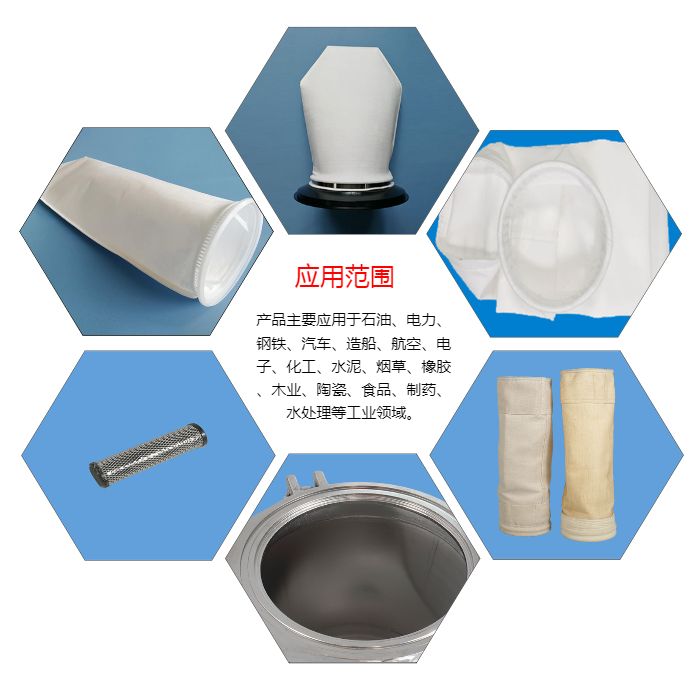
Application Fields: Wound Filter Cartridges are extensively used in industrial production for filtration, purification, and water treatment processes, across industries such as food and beverage, electronics, and environmental protection.
When selecting wound filter cores, it's crucial to consider actual needs and operating conditions, along with PP cotton filter core specifications. Weigh factors such as dimensions, filtration accuracy, material, and length to choose the appropriate filter element. Additionally, adhere to the manufacturer's recommended maintenance and replacement cycles to ensure optimal filtration performance and product quality.
PP Cotton Filter Cartridge Introduction - PP Cotton Filter Cartridge - Provided by Kunshan Qianchuang Environmental Protection Co., Ltd. Choose Kunshan Qianchuang Environmental Protection Equipment Co., Ltd. for "Filter Bags, Filter Cartridges, Filters." Located at No. 99 Xugong Road, Zhouji Town, Kunshan City, Suzhou, Qianchuang Environmental Protection has been committed to providing excellent service to our clients for many years. Contact: Manager Zhu. Welcome to call, write, or visit for guidance and business negotiations. Qianchuang Environmental Protection looks forward to becoming your long-term partner!
