
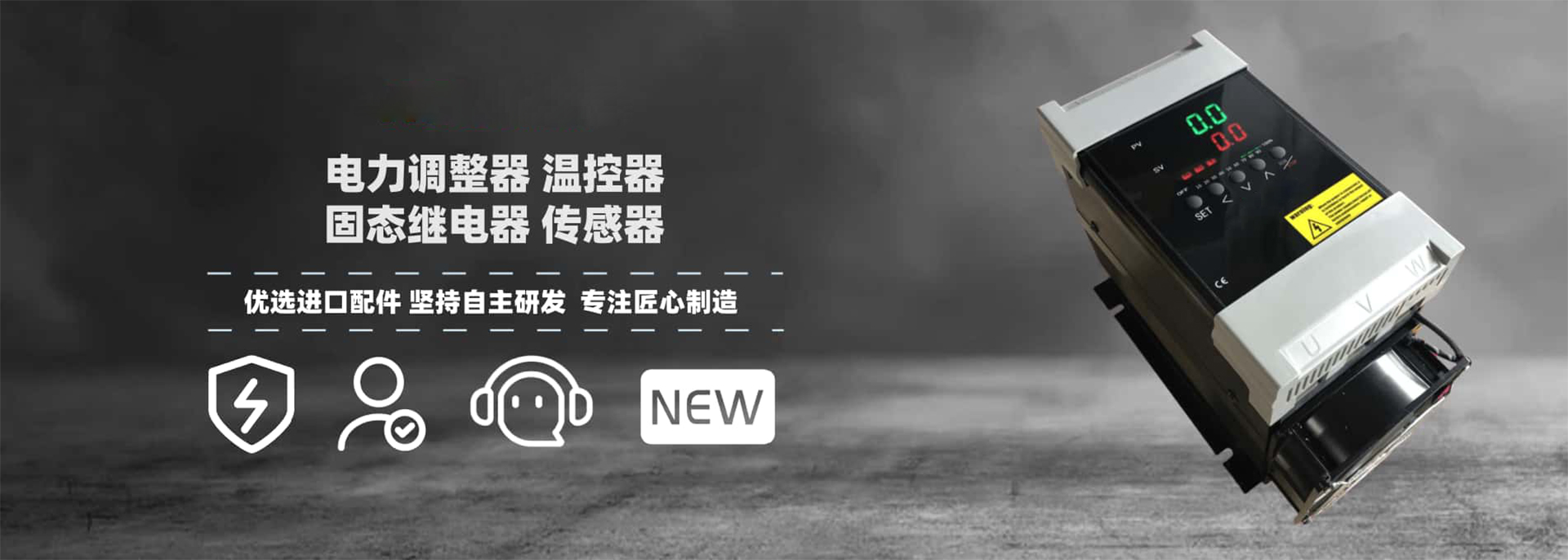


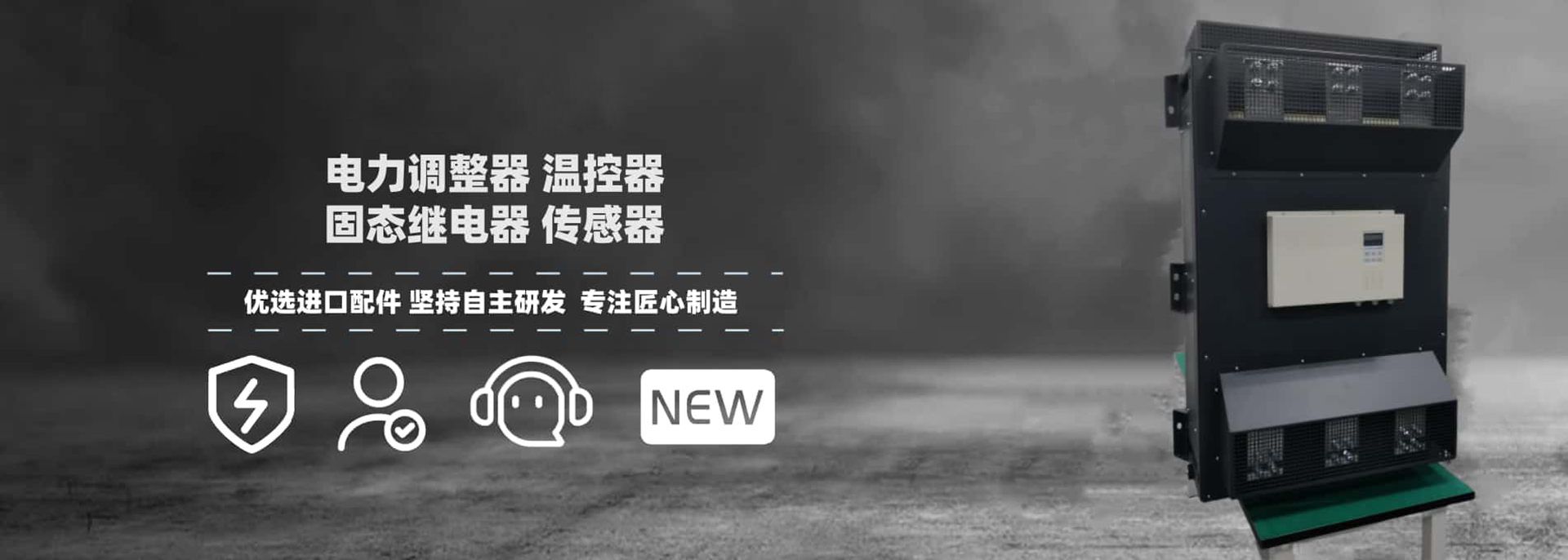





Thyristor-based power regulators, particularly those used in the kiln industry, play a crucial role. They are primarily used to regulate and control heating power, ensuring that kilns can accurately maintain the required temperature at different production stages. This precise temperature control is vital for processing materials such as ceramics, glass, and metal heat treatment, as these processes demand high stability and accuracy in temperature.
The power regulator boasts several key advantages:
Precise Temperature Control: Through a closed-loop control system, the power regulator can adjust the heating power based on real-time temperature feedback, thereby achieving precise control of the furnace temperature.
Enhancing Heat Treatment Efficiency: Precise temperature control contributes to improved quality and efficiency of heat treatment, ensuring that materials meet the anticipated performance standards.
Energy Efficiency: Power regulators contribute to reducing energy consumption and lowering production costs by avoiding over-heating and under-heating.
User-friendly Operation: Modern power controllers typically feature an intuitive interface, allowing operators to easily configure and optimize temperature control parameters.
High Reliability: The structural design is simple, maintenance is convenient, and it boasts excellent durability, ensuring long-term stable operation.
In ceramic kilns, the combination of power regulators and intelligent PID controllers enables automated control, ensuring precise temperature regulation in the heating and firing zones, meeting the stringent requirements of ceramic firing. In industries such as glass manufacturing, machinery, automotive, energy-efficient lighting, and chemicals, power regulators also play an indispensable role, aiding in achieving high-efficiency and high-quality heat treatment processes.
