
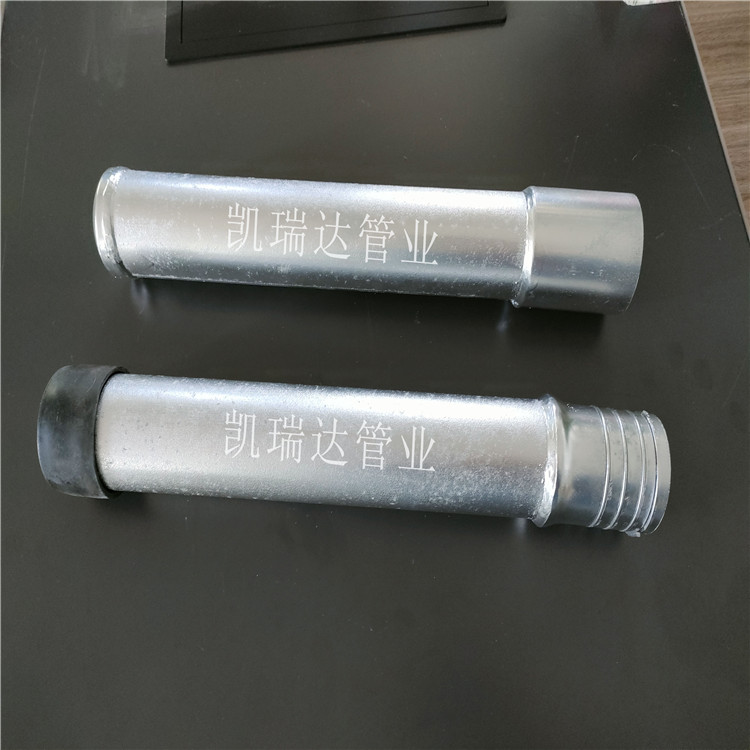
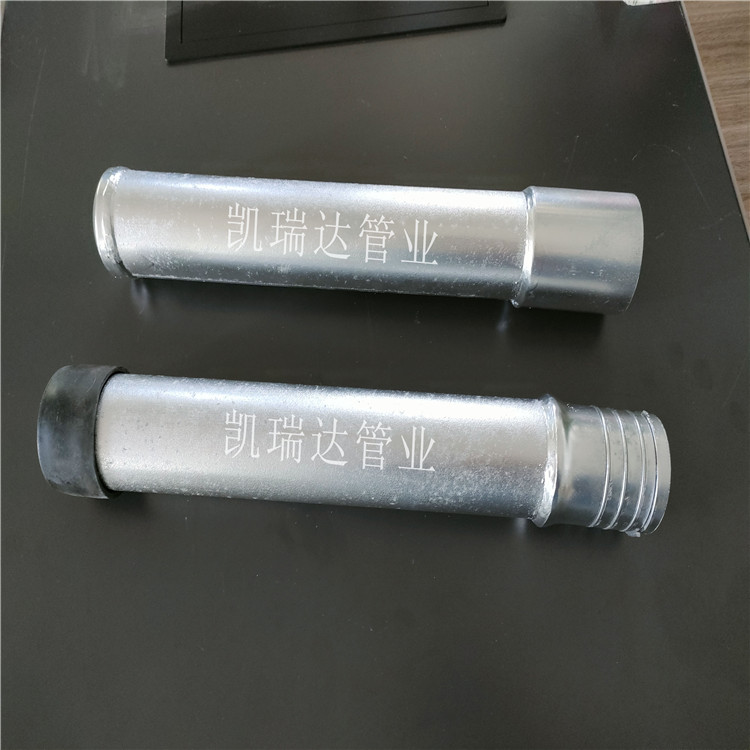
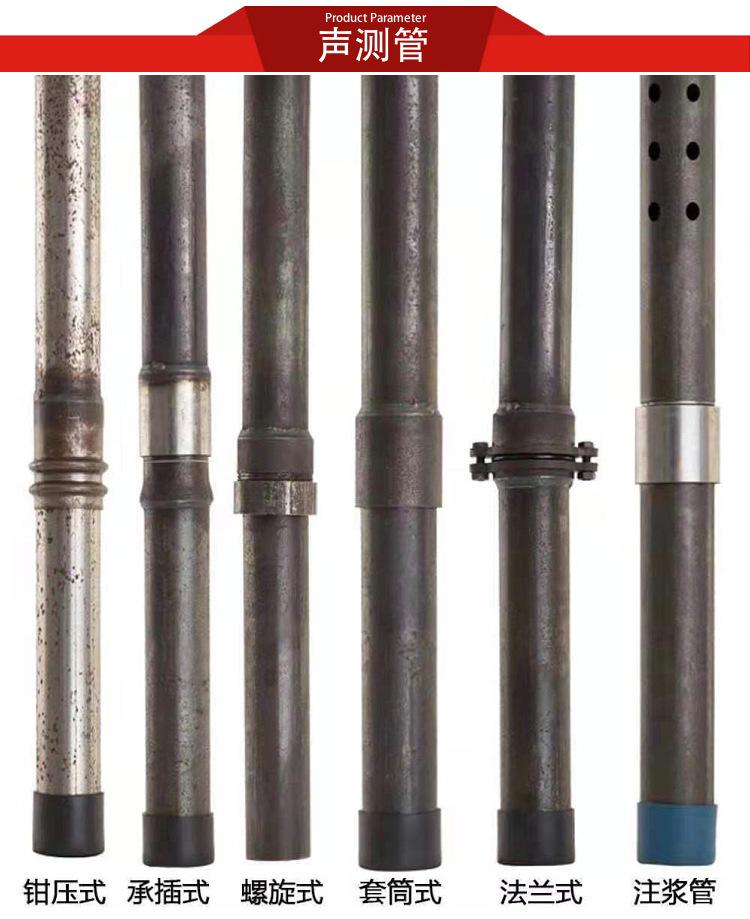
 Socket and spigot acoustic measurement pipe
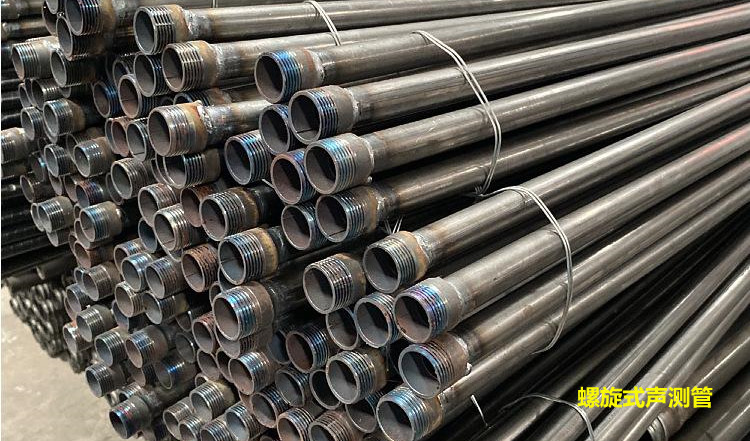
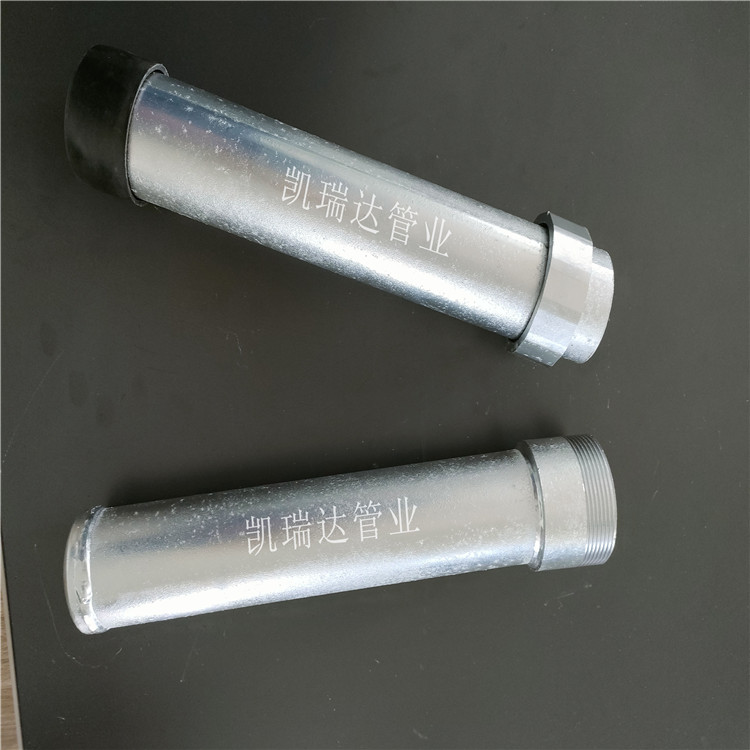 Helical Acoustic Testing Tube
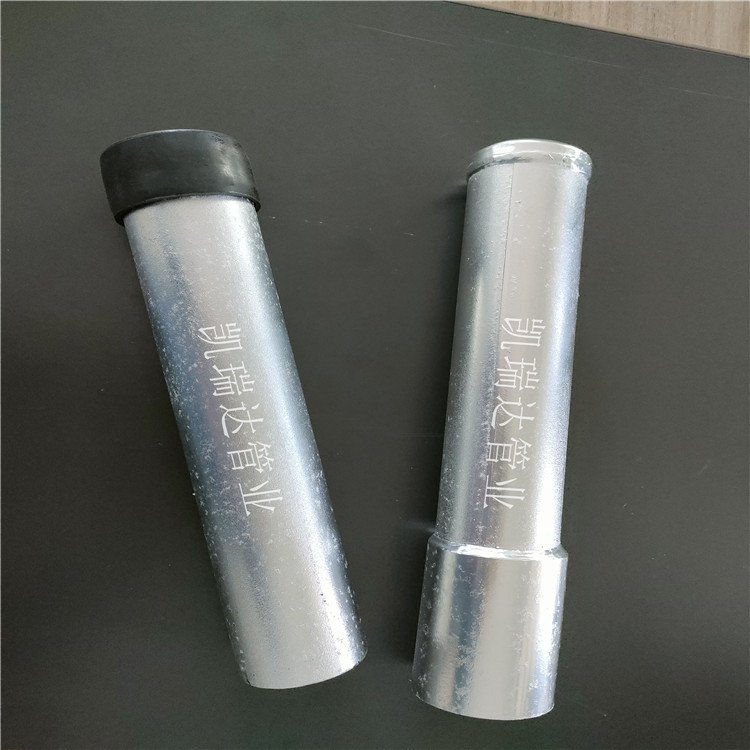 Sleeve-type Acoustic Boring Tube
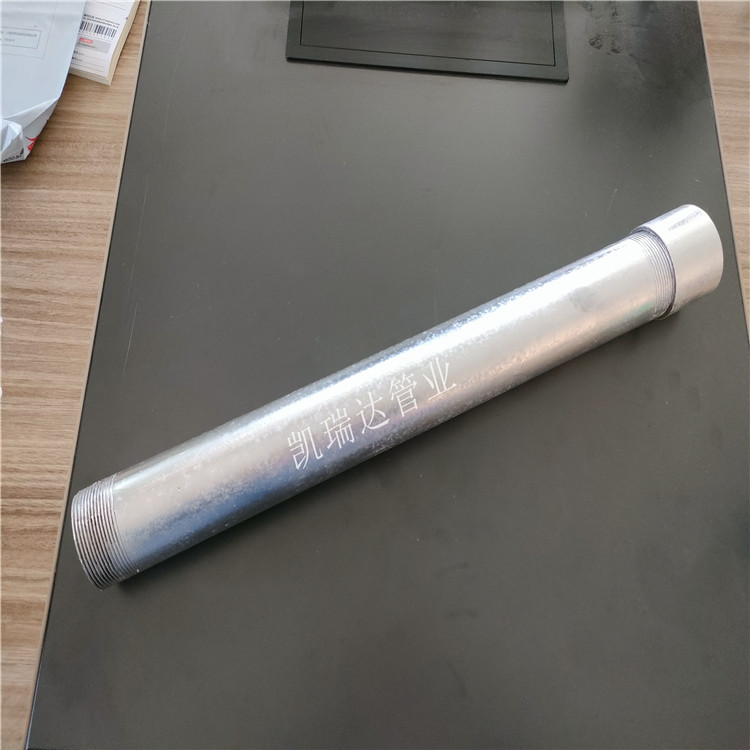 Grouting Tube, Grouting Valve
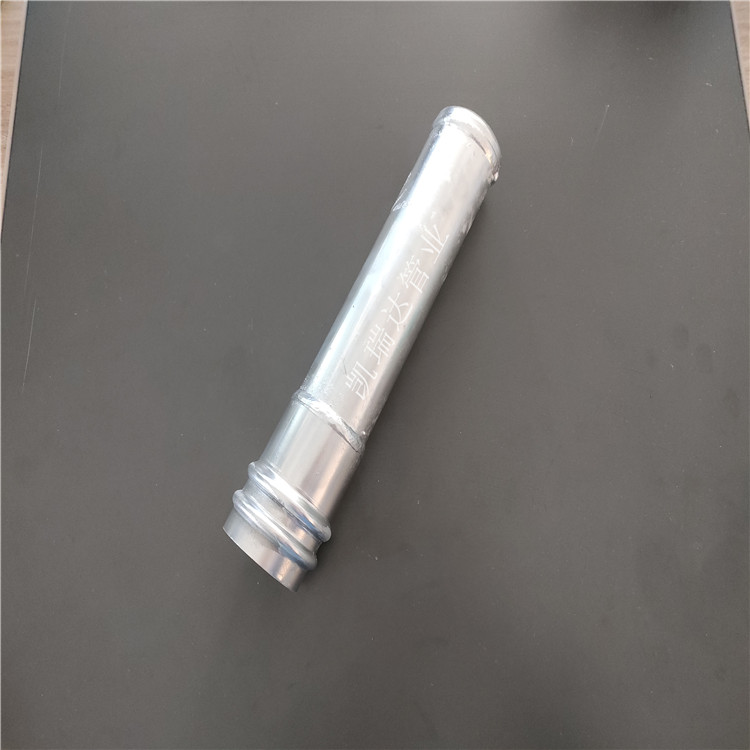 Clamping pressure acoustic pipe
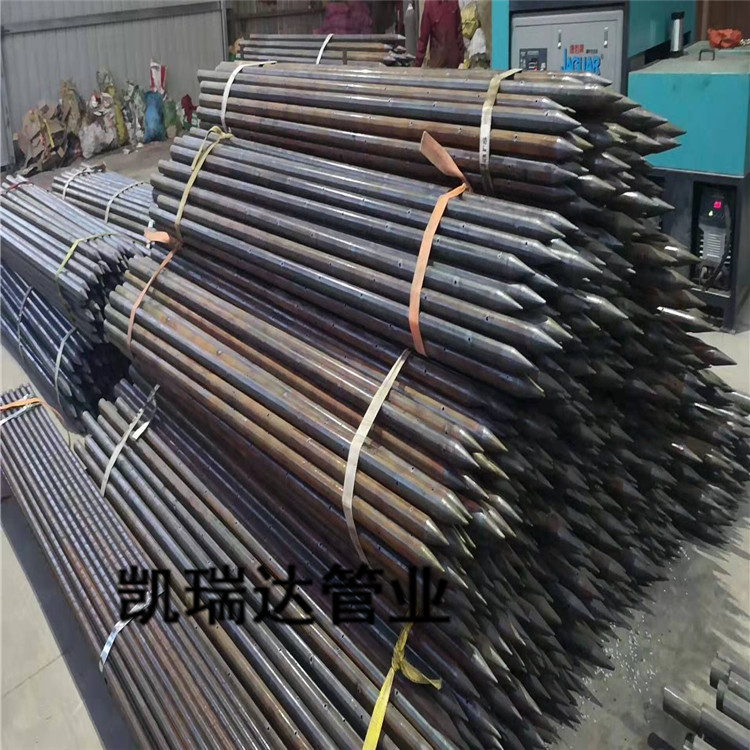 Small导管 manufacturer
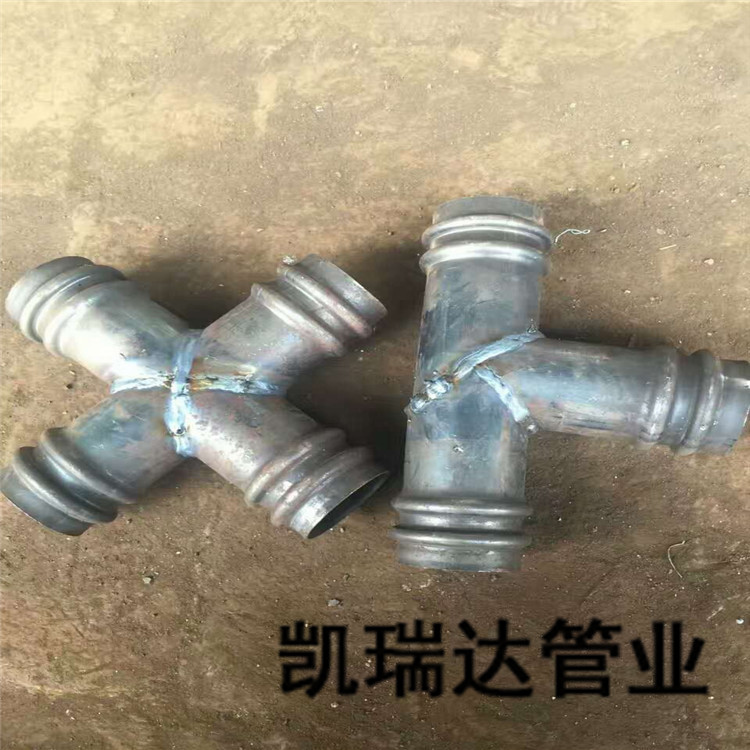 Connector Components Manufacturer
Product Details

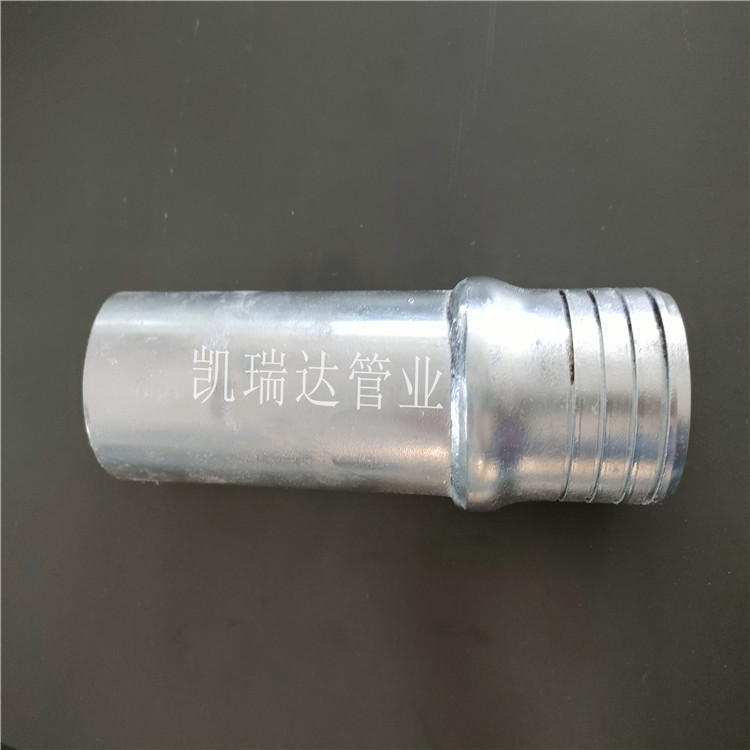
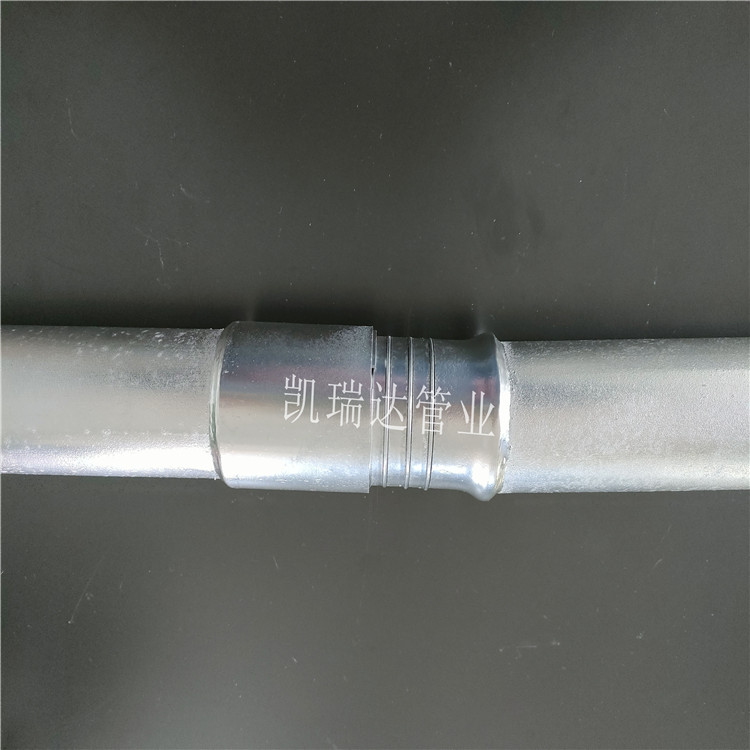
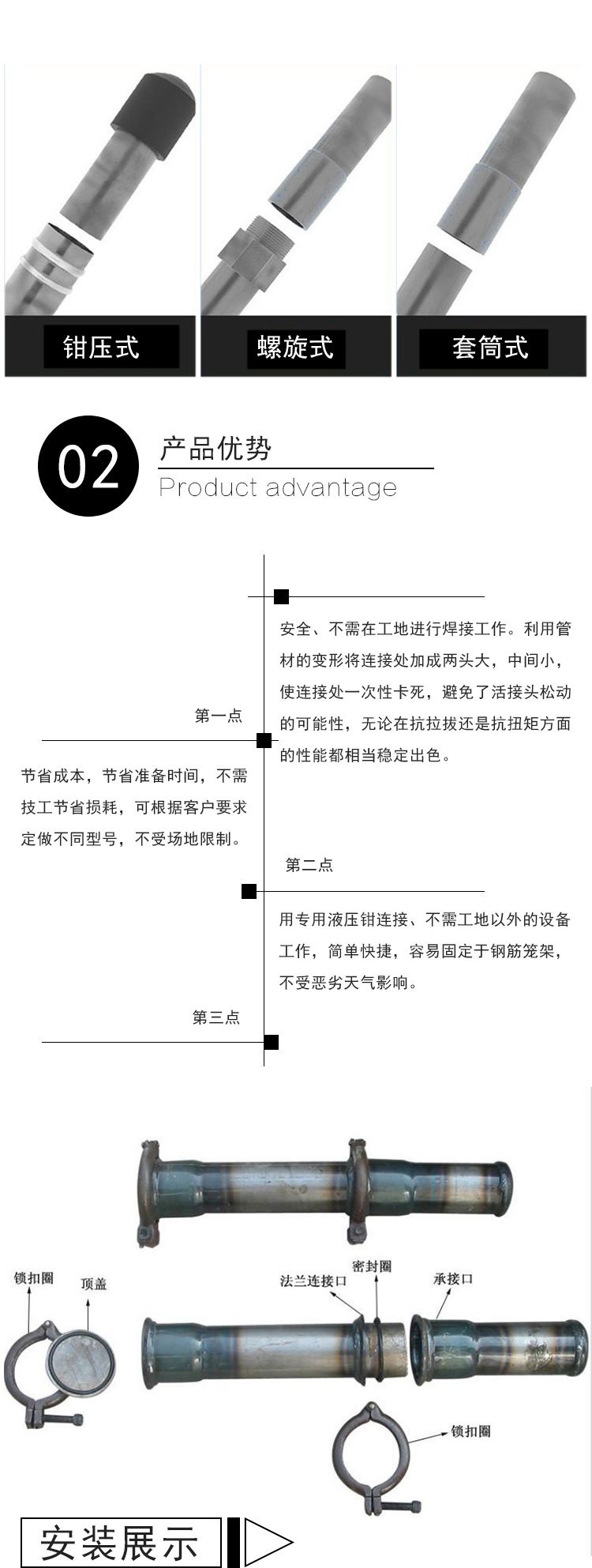
Acoustic Measurement Pipes (Clamping Type, Sleeve Type, Spiral Type, Socket T...
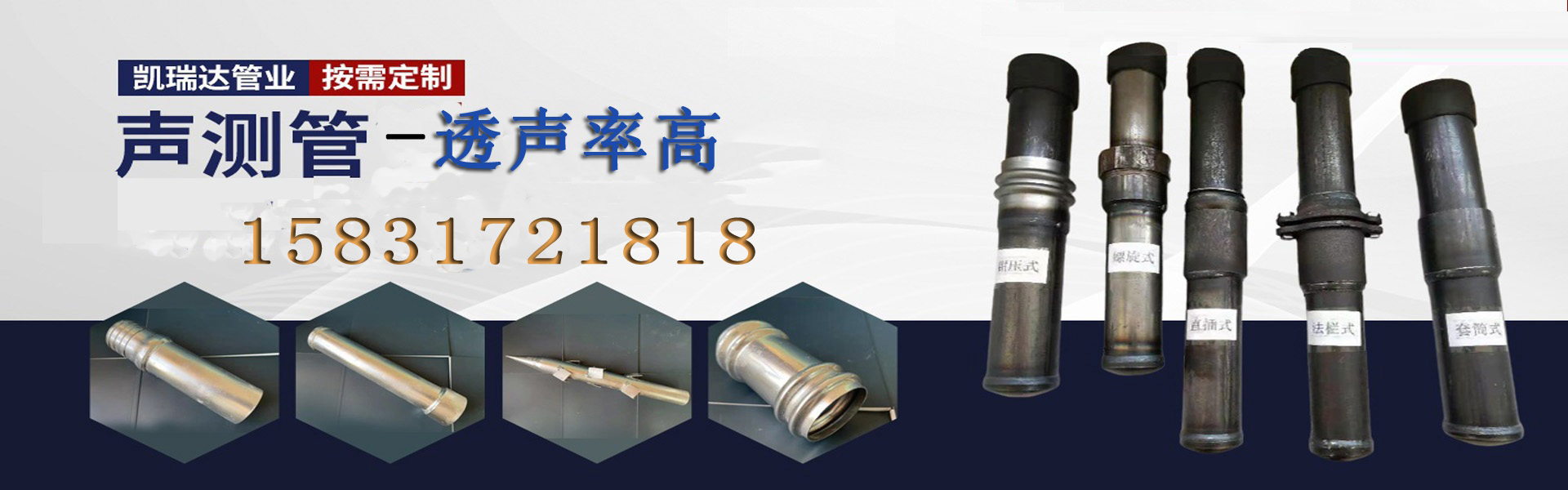
产品Price 10.00/Rice
最小起订Quantity:1 Rice 供货总Quantity: 10000 Rice


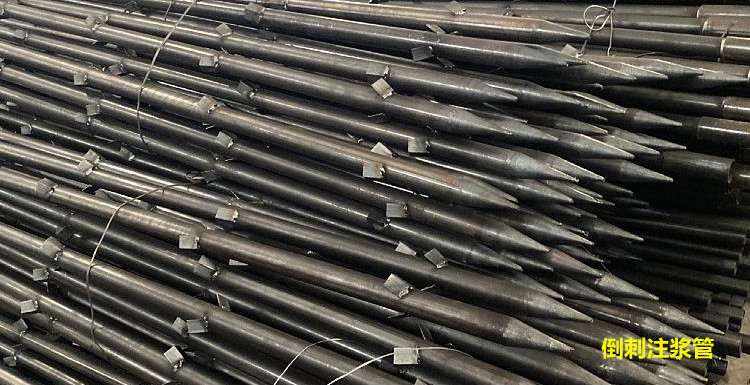
Generally, steel pipes are used, and the specific specifications mainly depend on your engineering requirements and on-site conditions! The special outer diameter of the sound wave measurement pipe is usually 10mm larger than the diameter of the radial replacement device. The wall thickness of the sound wave measurement pipe has little impact on the sound transmission rate. From the perspective of saving steel consumption, i.e., steel cost, as long as the pipe wall can withstand the lateral pressure of the newly cast concrete, the thinner it is, the more cost-effective. According to the relevant specifications for sound wave measurement pipes, the wall thickness should be selected based on the pile foundation depth as follows: Pile Foundation Depth (m) Sound Wave Measurement Pipe Wall Thickness (mm) <50 ≥1.0 50-70 ≥1.2 70-90 ≥1.5 90-120 ≥1.8 As for the joints, clamp-type is more convenient, and spiral-type has better sealing properties. There are also flanged connections available! 1. A practical method is to use thick, long steel bars to punch through the mud blocking the acoustic survey tube, which is direct, quick, and effective. However, this method has a drawback: it cannot guarantee that the mud is completely cleared, and the acoustic survey tube that needs to be cleared must be a steel tube with a larger outer diameter. 2. The drilling machine is equipped with a small drill bit for scanning holes. This method ensures targeted and thorough clearing without missing any spot, though it does require slightly more labor time. However, it's a safe bet. 3. Use a high-pressure water jet directly for internal pipeline cleaning. Generally, sludge only adheres to the inner wall and cannot withstand the冲击 of the high-pressure jet. Blast the blocked area for 3 to 5 seconds with high pressure to clear it. However, always pay attention to the position and angle of the blast to prevent the sludge from flowing back again. Deformed acoustic pipe blocking poses significant difficulties to the detection process, even rendering it impossible. Therefore, if the acoustic pipe blockage is discovered before the foundation pile is poured and before detection, effective measures should be taken to clear the pipe to ensure the smooth progress of ultrasonic detection. There are generally three methods for clearing the pipe: using thick, long steel bars to poke through the acoustic pipe; using high-pressure water to flush the pipe clean; and using a drilling machine with a small drill bit for scanning the hole.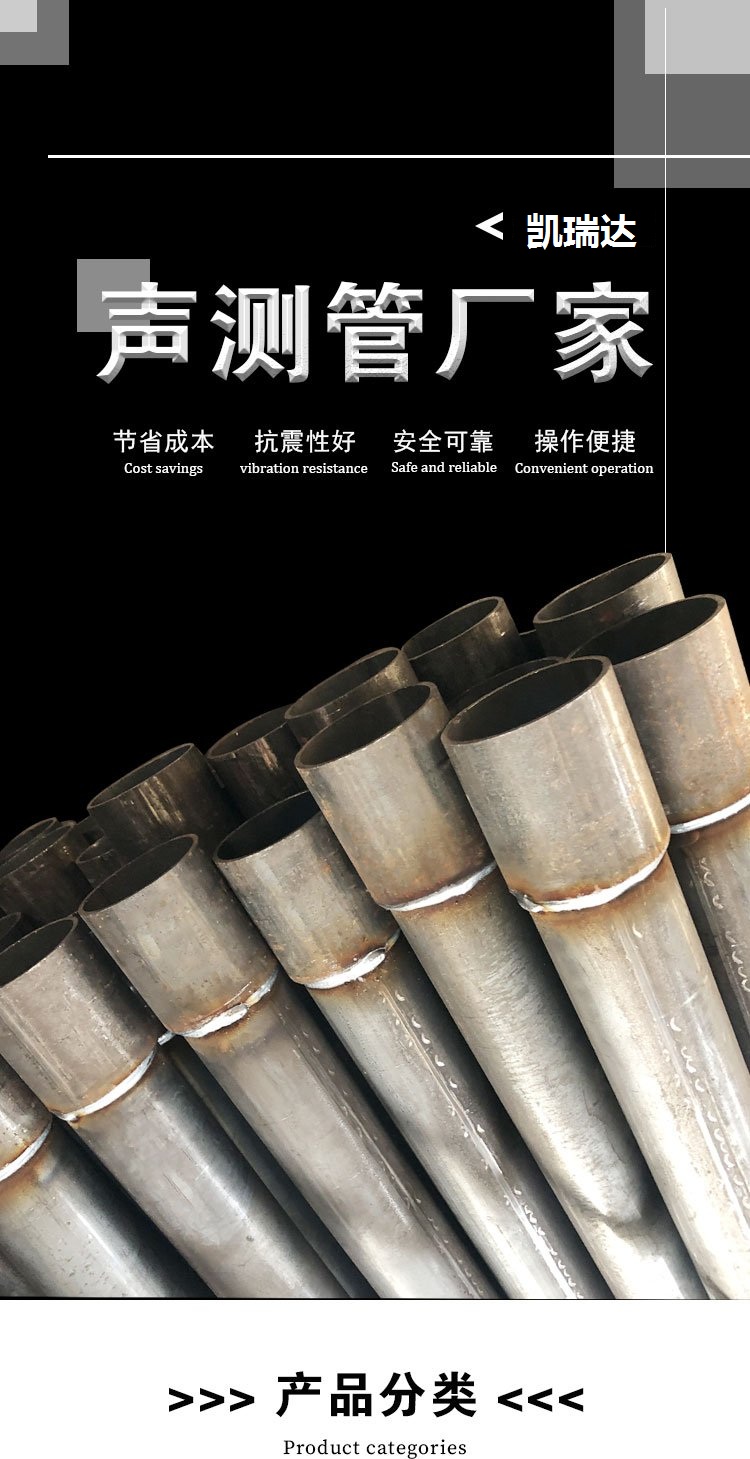





Phone Consultation